


Sometimes you just want your music to move. Not just sonically—but literally. That’s the beauty of portable speakers. But here’s the thing: not all portable speakers are built the same. The JBL Charge 6 and the JBL Xtreme 4 both promise serious sound in rugged packages, but one leans into convenience, while the other is built for scale. And honestly? The differences go deeper than you might expect.
We’ve lived with both of these. We’ve tossed them in backpacks, strapped them to bikes, brought them to parks, and let them blast everything from quiet lo-fi to thundering techno. And what we found was a lot more than just speaker specs.
Let’s break down what actually matters—and where these two speakers start to carve their own identities.
Design and portability: one-hand carry or over-the-shoulder style?

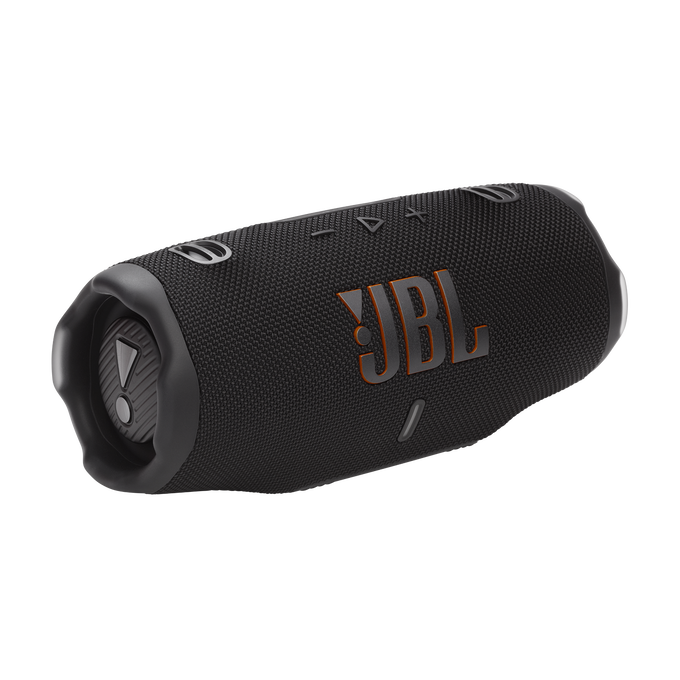
First impressions say a lot. The JBL Charge 6 is the one you grab on impulse. It’s smaller, lighter, and easier to toss into a tote or clip onto a bag. The size makes a big difference when you’re running late and need music on the go. And yeah, it still looks like a JBL—cylindrical, textured, durable.
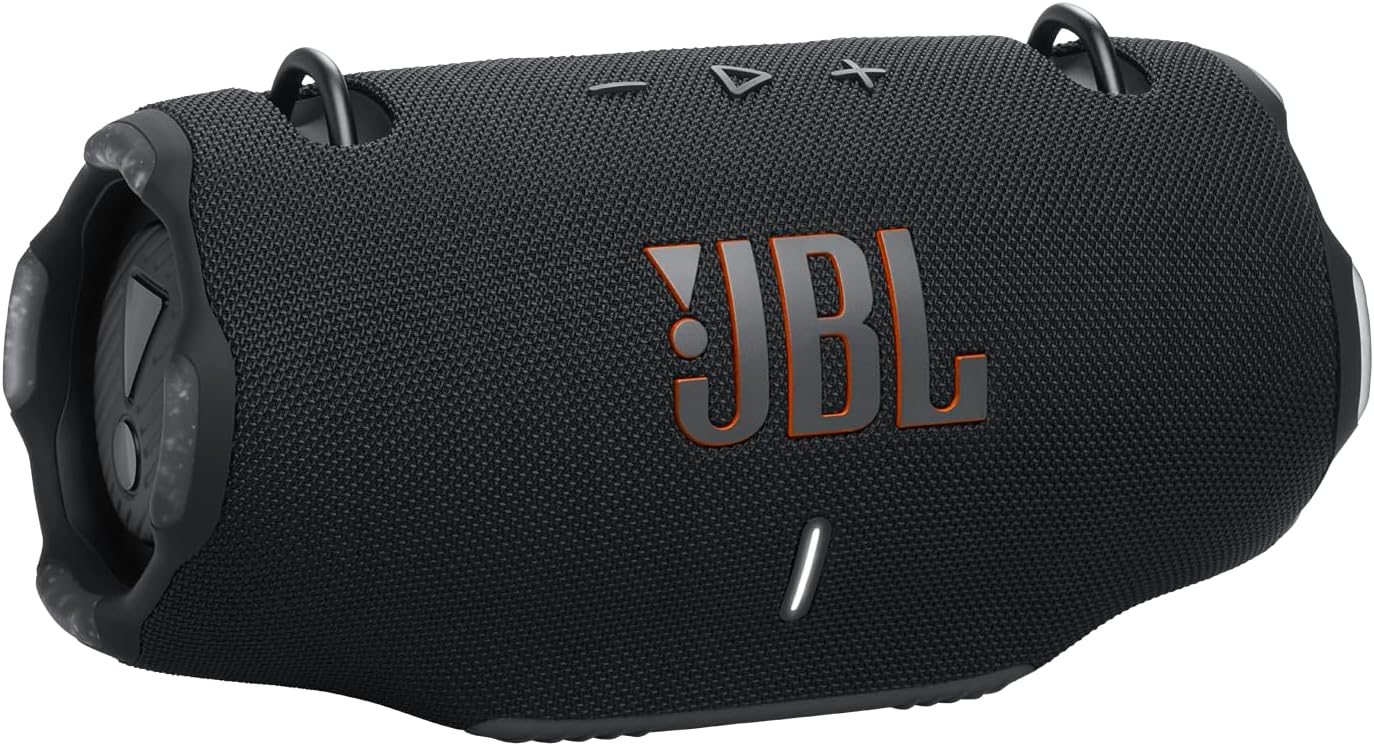
The Xtreme 4 feels like a commitment. You don’t just toss it in a bag. You sling it over your shoulder—literally, with a branded shoulder strap that’s actually pretty useful. The metal hooks for the strap are solid, not gimmicky, and it all feels… sturdy. This isn’t a speaker you’re forgetting on a bench somewhere. It has presence.
Both use a similar button layout—volume, play/pause, Bluetooth, power, and JBL’s PartyBoost for linking other speakers—but the Xtreme 4 gives you chunkier, more tactile buttons. Easier to press when your hands are wet, or when you’re trying not to look.
Durability and protection: battle-ready, but one wins the trenches
Here’s where we start splitting hairs. The Charge 6 is IP68-rated. That’s full-on dustproof and can survive a dunk in water. Sand, rain, mud—bring it. It’s honestly one of the best-rated waterproof speakers out there.
The Xtreme 4 is IP67, so still waterproof and dustproof—but not quite to the same level. The difference isn’t huge, but if you’re the kind of person who drops things into creeks or has kids who love throwing stuff into bathtubs, that extra digit matters.
The Xtreme 4 makes up for it with extra drop resistance. The ends are rubberized, the outer fabric is tougher, and it feels like it could take a few more knocks. You’ll feel more comfortable tossing it around a rough campsite or rowdy backyard.
Sound output and architecture: it’s all about scale

Let’s not sugarcoat this. The Xtreme 4 is the better-sounding speaker. Full stop.
It’s got dual woofers and dual tweeters, pushing 100 watts of power. That’s a serious punch, and it doesn’t just get louder—it gets wider. The soundstage is room-filling, and even outdoors, it doesn’t feel like it’s struggling.
The Charge 6 runs a single woofer and single tweeter combo, with 45 watts of total output. It still sounds great—clean mids, crisp highs, and surprisingly punchy bass thanks to the dual passive radiators—but you’ll notice it plateauing sooner at high volume.
Where the Xtreme 4 thrives is in bass control at high volumes. You know that moment when a speaker just gives up and turns your bass into distortion? The Xtreme 4 holds it down. No collapse. No wobble.
That said, the Charge 6 holds its own at 80-90% volume. For apartment-sized rooms, quiet picnics, or inside a tent, you’re not missing much. But once you step outside, scale favors the Xtreme 4.
Battery life and charging: choose your priority
Okay, this surprised us. The smaller Charge 6 goes for up to 28 hours on a single charge. That’s no typo. Twenty-eight. You can use it for days without needing to plug it in. Hikes, road trips, lazy Sundays—you’re covered.
The Xtreme 4 hits 24 hours, which is still impressive considering the output power. And if you turn down the EQ or use JBL’s Playtime Boost feature, you can stretch it a bit more.
Both charge via USB-C and offer reverse charging, so yes, you can juice up your phone in a pinch. But here’s a kicker: only the Xtreme 4 includes a power adapter in the box. The Charge 6? Just a USB cable. That extra accessory could save you from hunting for a charger before heading out.
Also—the Xtreme 4’s battery is removable. That’s a small, future-facing feature that makes a difference down the line. If battery performance starts to dip after years of use, you can swap it without replacing the entire speaker. Smart.
App integration and sound customization: same tools, different effect
Both speakers work with the JBL Portable app, which is clean, minimal, and super easy to navigate. You get access to firmware updates, EQ customization, and stereo pairing or PartyBoost functions.
The EQ makes a big difference, especially on the Xtreme 4. Boost the lows a little, pull down the highs slightly, and suddenly you’ve got a speaker that feels way more expensive. The Charge 6 responds well too, but there’s less headroom to tweak before distortion creeps in.
Just know: you can’t stereo pair across models. Charge 6 only links in stereo with another Charge 6. Same for the Xtreme 4. But both can join a PartyBoost session for shared mono playback across many speakers.
Ports, inputs, and wireless connection: streamlined but effective
Neither speaker includes a 3.5mm jack anymore. That ship has sailed. If you’re clinging to wired inputs, you’ll need to look elsewhere or grab a Bluetooth adapter for your favorite old gear.
Bluetooth performance is rock solid across both models. Stable signal, good range, and quick reconnection. You won’t be pacing the room in frustration trying to get your music to sync.
They both support USB-C for input and output, which is now the standard, and it just works. There’s OTG support too, so charging your earbuds or phone from the speaker is as simple as plugging in.
Style and presence: refined or bold?
This part’s subjective, but we’ve got opinions. The new JBL branding looks great on both. Clean, subtle, a little more grown-up. The metallic badges feel premium, especially when they catch the light.
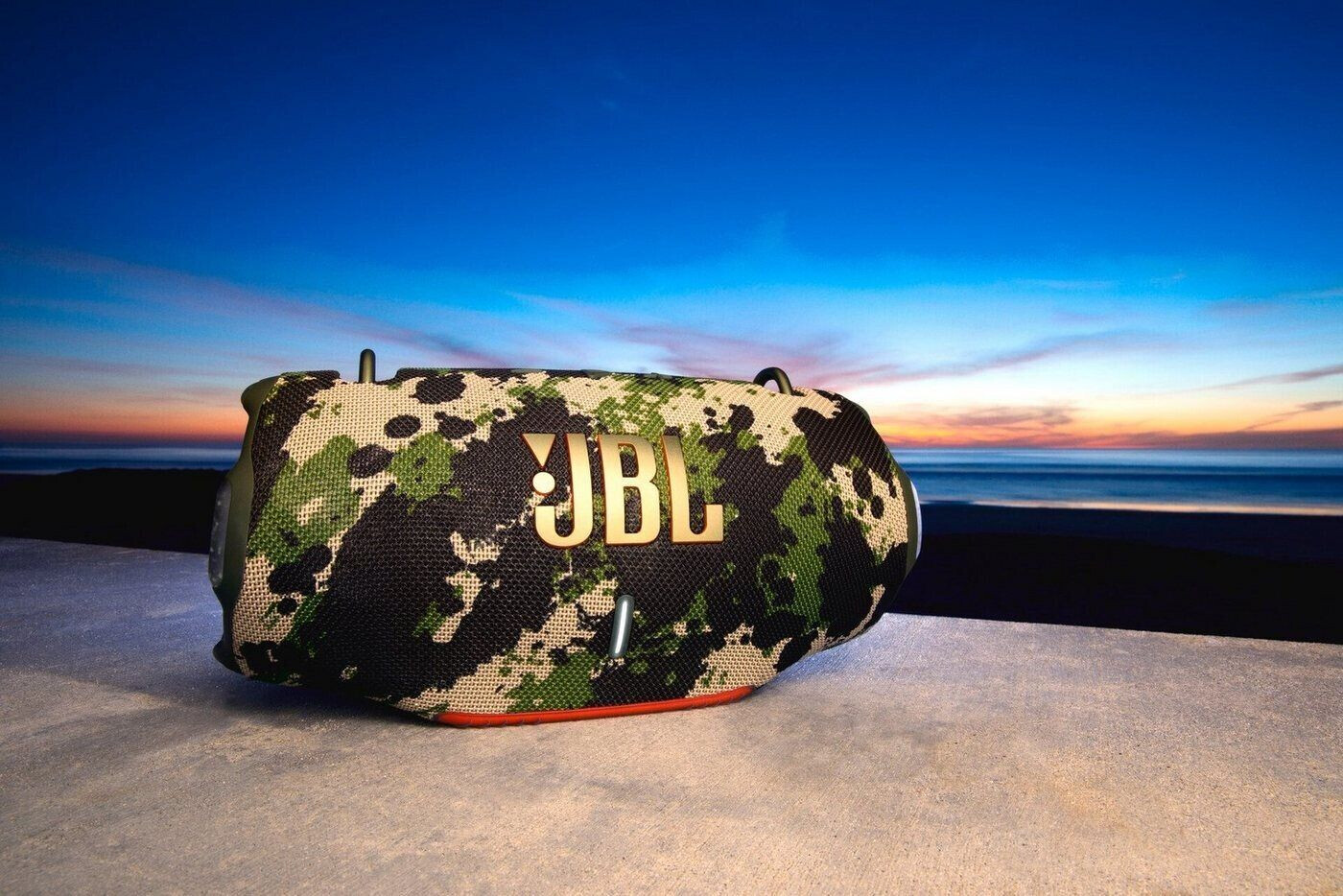
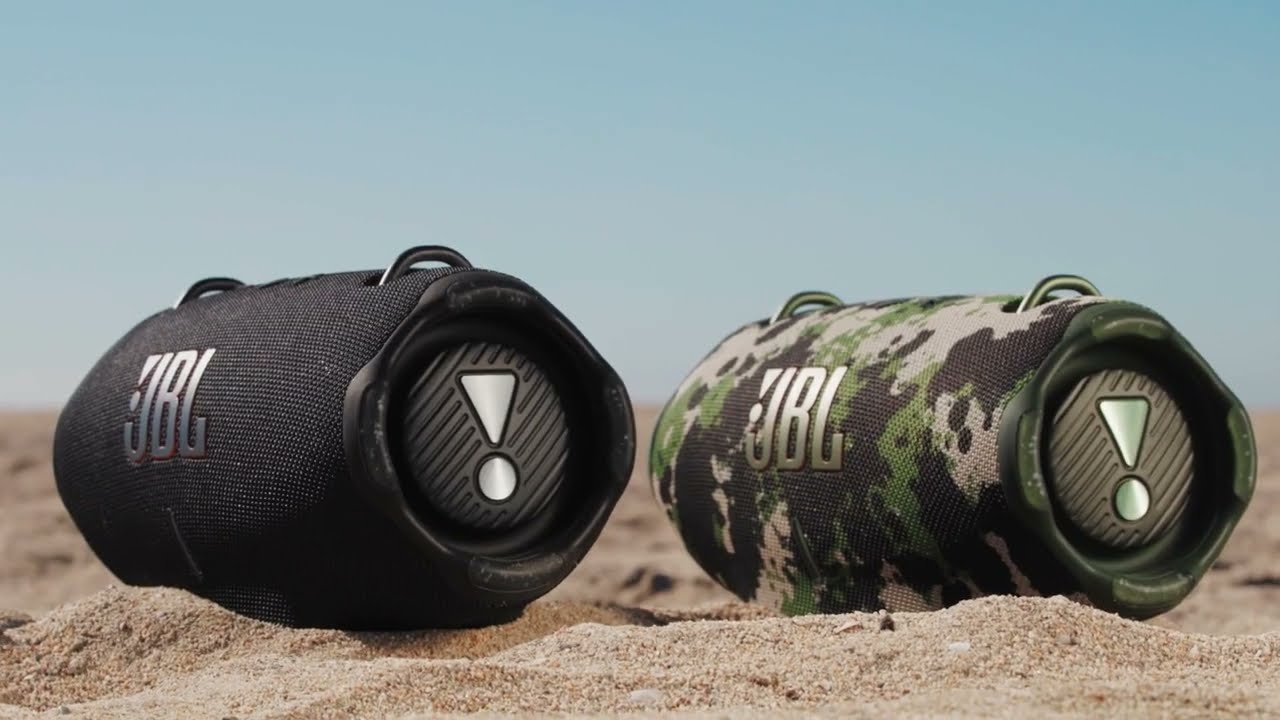
Color choices are bold for both, but the Xtreme 4’s bigger size makes its design pop harder. That red or camo version? Instant attention-grabber. The Charge 6 feels more low-key—great if you prefer something that blends in, not screams for attention.
The passive radiators on both bounce with the beat—not just for show, but it does look awesome when the music’s loud. There’s something oddly satisfying about watching them pulse with a bass drop.
Party potential and real-world use: group-friendly and versatile
If you’re looking for a party starter, both can do the job—but in different ways.
The Charge 6 is the speaker you lend to a friend, bring to a rooftop, or take to a mellow hangout. It’s light, lasts forever, and sets up in seconds.
The Xtreme 4 is the one you center the party around. No need for a second speaker. One of these fills the space and holds its own—even if people start dancing on tables.
PartyBoost support keeps things flexible, especially if you’ve got other JBL gear. Pair up multiple speakers, scatter them across the yard, and let them blast in sync. Easy.
Final verdict: JBL Xtreme 4 takes the spotlight
Let’s not dance around it. The JBL Xtreme 4 is just a more capable speaker. It’s not about the volume—it’s about how much clarity it keeps at volume. Its dual-driver setup, deeper bass, removable battery, and rugged design make it feel like a product made to last.
The Charge 6 is no joke, and if portability, battery life, or a lower price are your top priorities, it’s probably the one to go for. It sounds better than it should for the size, and for many people, it’s the smarter daily driver.
But if you want the better speaker? The one that shakes tables, handles real environments, and keeps sounding rich at full blast? That’s the Xtreme 4. It might weigh more, but it hits harder—literally and figuratively.
Honestly? We’d keep both. But if we had to choose just one for the road, the party, and the playlist—it’s gotta be the Xtreme.