


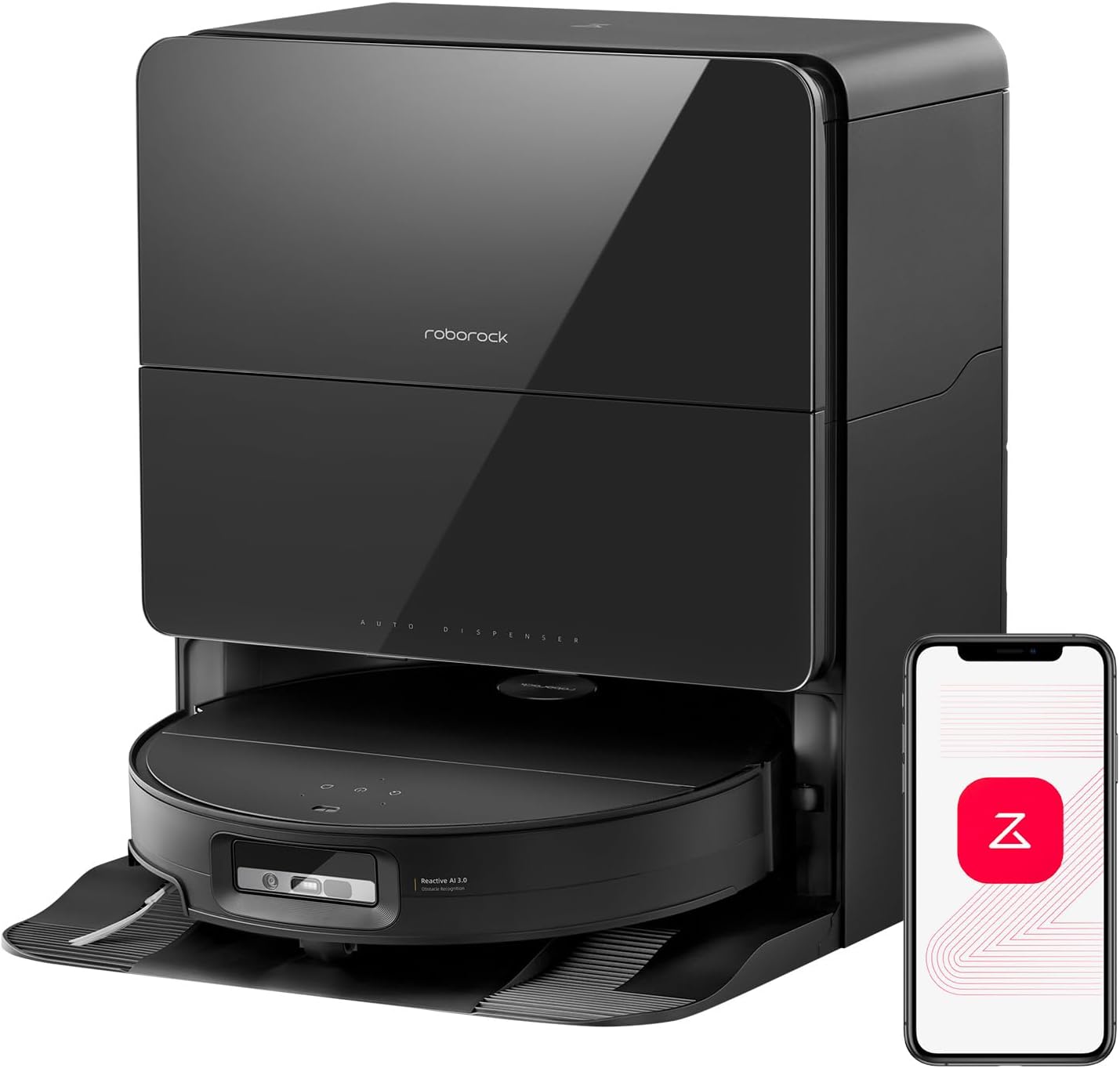
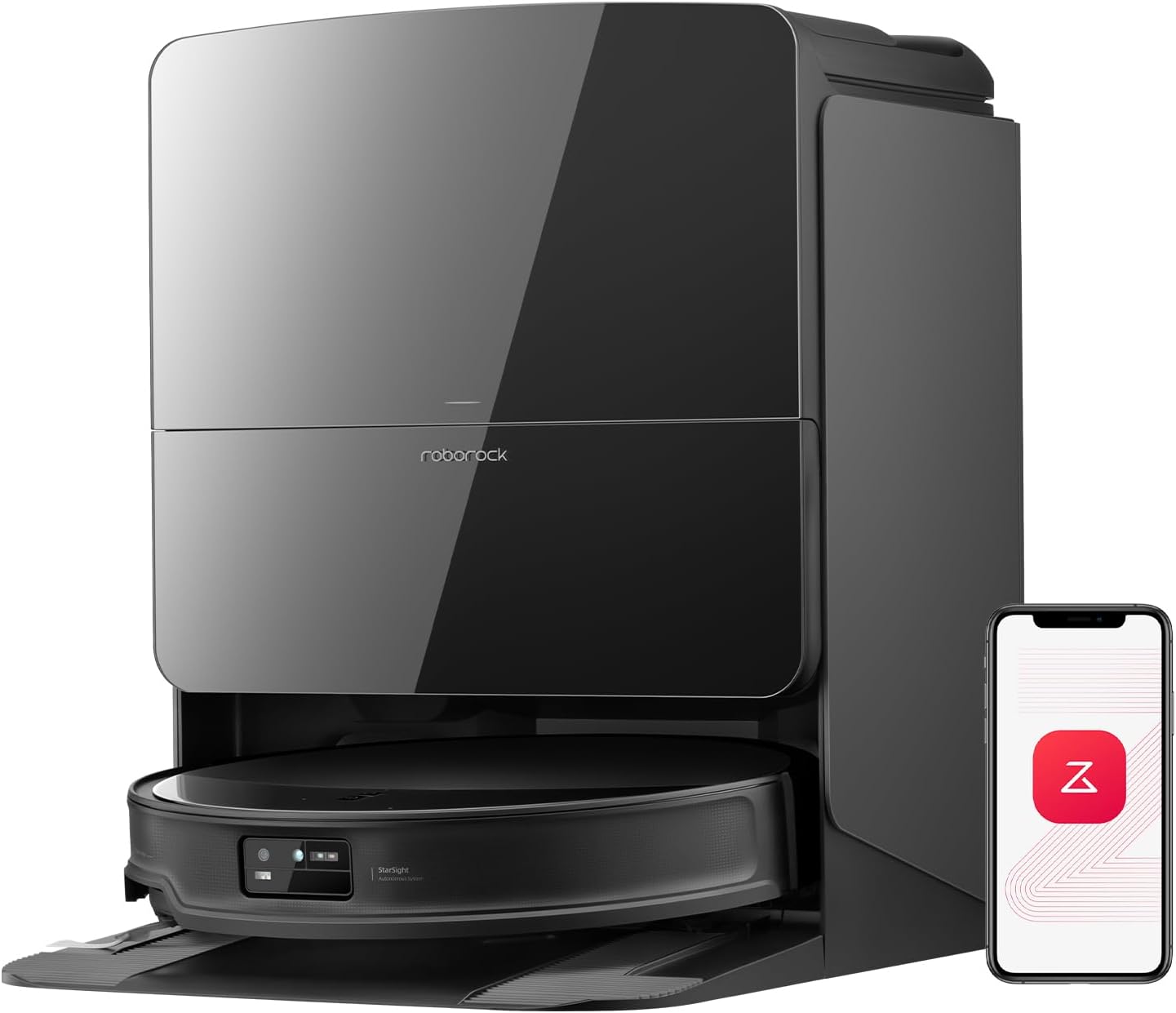
It’s funny how robot vacuums have quietly gone from luxury gadgets to essential home tech. And now, they’re not just about suction—they mop, they think, they clean themselves. That’s the level we’re at with Roborock’s Saros 10 and Saros 10R, two top-tier models that promise to scrub, suck, and strategize like pros. But as similar as they may look at a glance, these two take different approaches under the hood—and depending on what you expect from your robot, those differences matter a lot.
We’ve been living with both, putting them through pet hair, cereal spills, dried ketchup blobs, and the dreaded under-dining-table chaos. And what we found is that this isn’t a simple “good vs better” story. It’s more like “refined muscle vs adaptive intelligence.” So let’s dig in.
Design choices that hint at personality
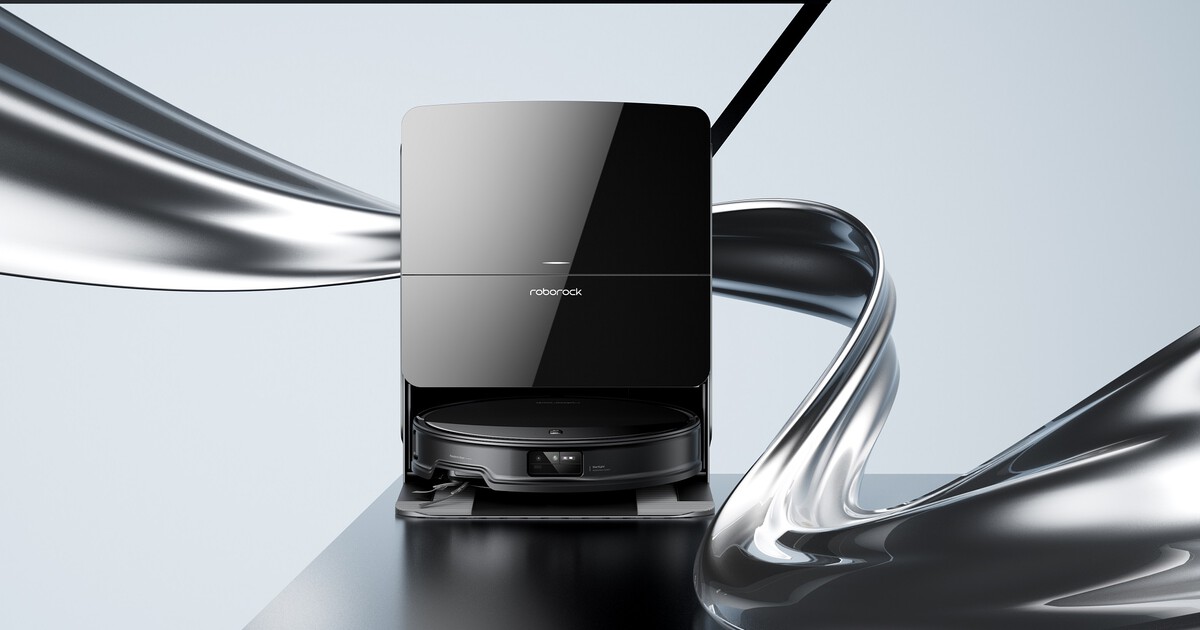
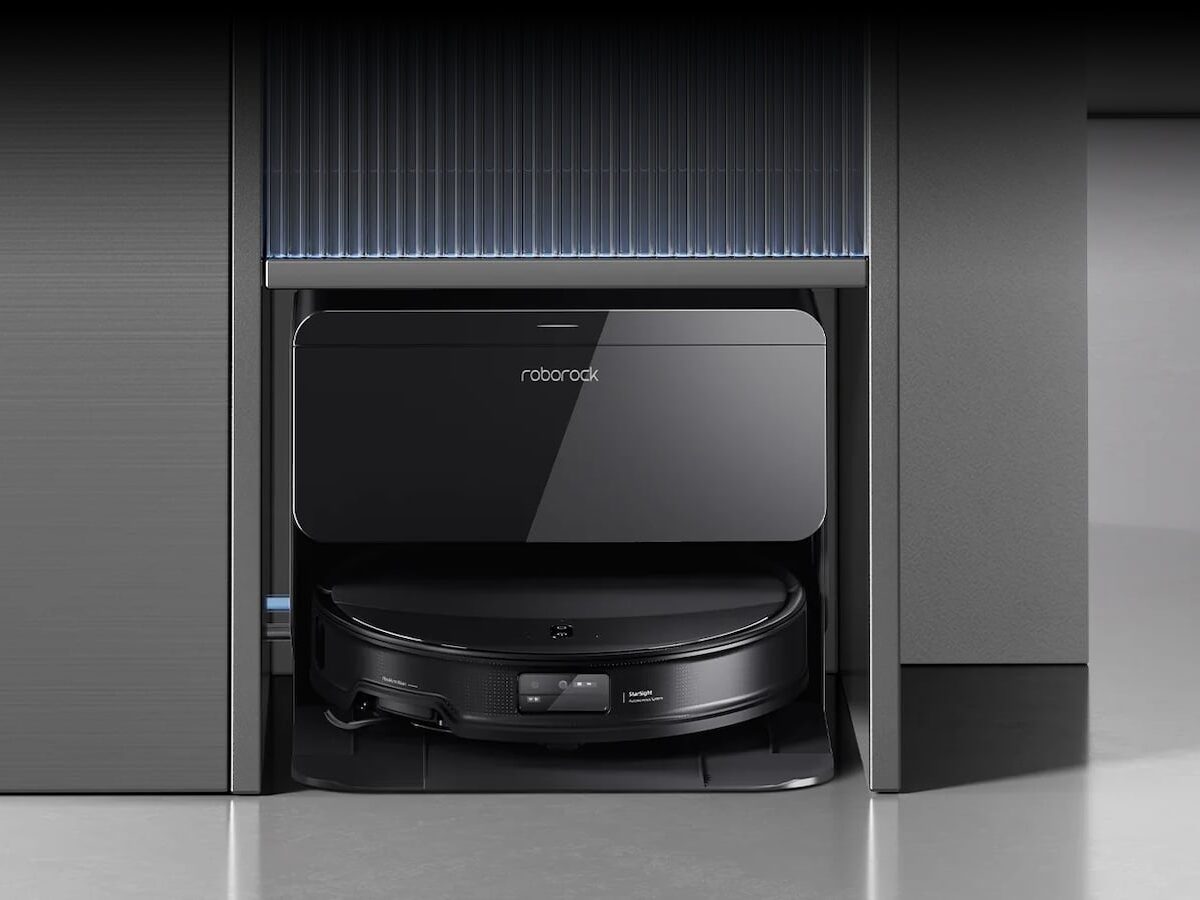
There’s no mistaking either of these for budget bots. Both the Saros 10 and 10R have that premium Roborock vibe—minimal, clean, and clearly high-end. They come with rectangular docks that take care of the boring stuff: emptying the bin, washing the mop, even drying it to prevent stink. But once you start looking closely, their design tells you what kind of user each one is made for.
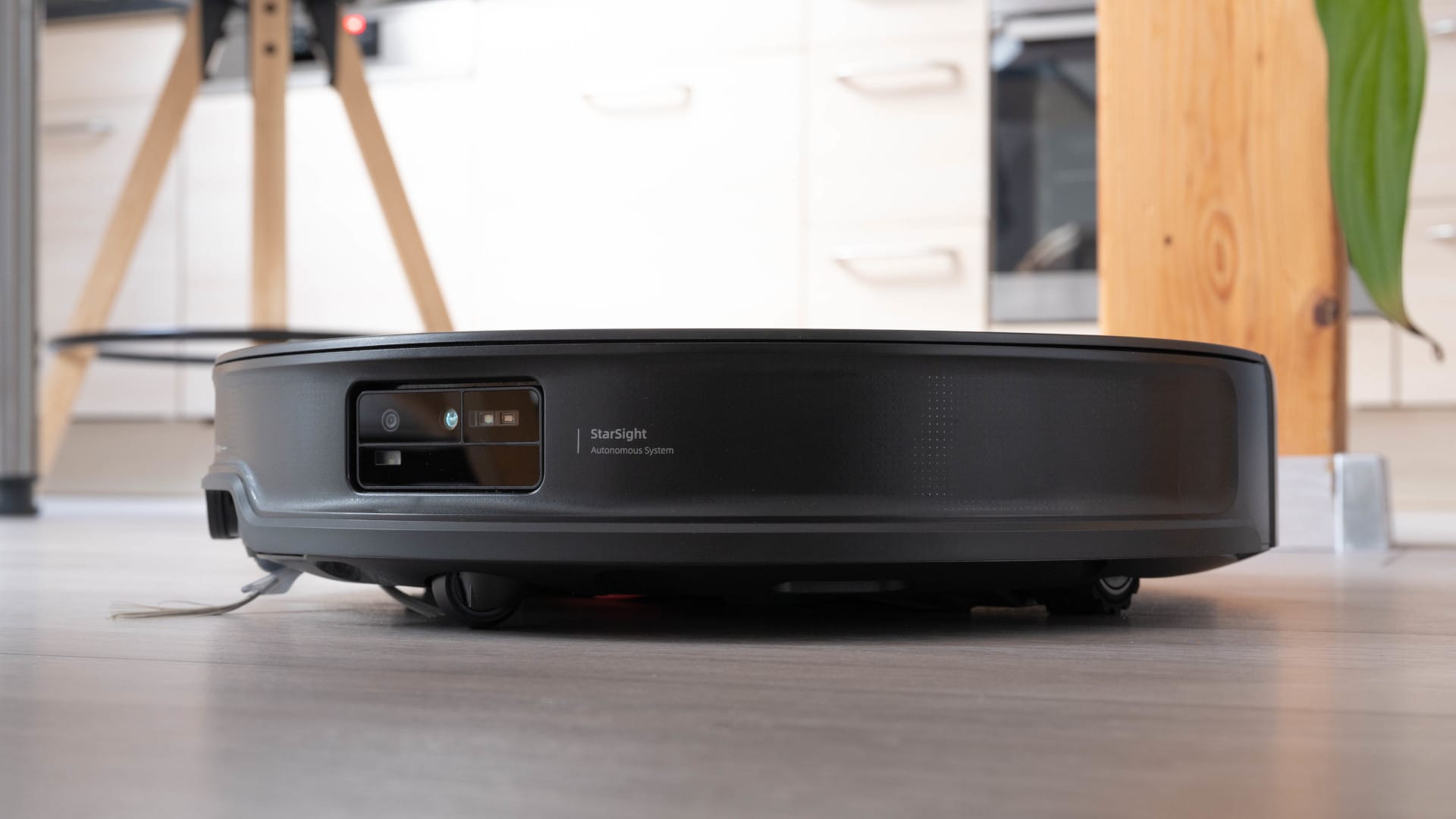
The Saros 10 sticks to tradition with a LiDAR turret on top, slightly raised, giving it that familiar Roborock silhouette. That bump houses the navigation brain, so yeah, it’s useful—but it also adds a couple of centimeters in height. The 10R goes the opposite direction: everything is internal. No turret, no bump, just a sleek, flat top that’s less likely to get stuck under low furniture. It’s not just pretty—it’s smart.
And then there’s the dock design. The Saros 10 hides its water tanks behind a lid, making the station look like a single, seamless object. Very Apple-like. The 10R says screw it—tanks up front and center, easier to fill, easier to clean. Aesthetic versus convenience. Pick your side.
Suction power and brush tech: it’s all in the details
Let’s get this straight—both robots suck in the best possible way. Roborock’s DuoDivide brush system is consistent across both: anti-tangle, pet-hair-friendly, and it works equally well on hardwood and medium-pile carpets. The FlexiArm side brush also deserves credit—it reaches further than it looks like it should, sweeping out dust from corners like a boss.
The Saros 10 technically has the stronger suction at 22,000 Pa, compared to the 10R’s 20,000 Pa. On paper, that looks like a big deal, but in practice? Unless you’re grinding coffee beans into your rug, you’re unlikely to notice. They both handle typical dirt with ease.
Where it gets more interesting is how they lift their mops when crossing rugs. The 10R can lift its mop 0.87 inches, which is enough clearance for most carpets. The Saros 10 only lifts to 0.71 inches, which might not always be enough for fluffier mats. This can mean damp spots if you’re not careful—though you can disable mopping for carpet zones via the app.
So: more suction vs more clearance. Depends what you’re dealing with.
Mopping showdown: vibration vs rotation
This is where the gloves come off. The Saros 10 uses VibraRise 4.0—a vibrating mop plate that scrubs the floor in rapid motion, simulating that hand-scrubbed feel. It even has a side pad that hugs the edges, trying to clean right up to the baseboards. It’s great for sticky gunk, like syrup or tomato paste.
The 10R takes a different route: twin spinning pads that rotate constantly, mimicking a handheld electric mop. One of them even extends slightly outward for better edge coverage. It doesn’t bear down quite as hard, but it covers more area with continuous motion.
If you’re the kind of person who wipes up right away and just wants your floor polished daily, the 10R wins. If you tend to ignore spills until they become biohazards, the Saros 10’s scrub-focused system has the edge.
Oh, and both mop systems return to their docks, get hot water washed, then dried with warm air, and even use detergent dispensing for extra-clean cycles. No more stinky mop pads. Ever.
Navigation: battle-tested radar or camera intelligence?
This might be the most philosophical difference between these two. The Saros 10 uses RetractSense Navigation—a combo of LiDAR and classic obstacle detection that works extremely well. It maps fast, avoids shoes, and dodges table legs like a pro.
The 10R jumps ahead with Starlight Autonomous System 2.0, a camera-based AI model with real-time depth sensing and obstacle recognition. This thing can “see” power cords, pet toys, socks, even shoes—and avoid them. Even in low light. It doesn’t need to bounce off things to learn.
And you can feel the difference in use. The 10R slips through cluttered rooms more confidently, while the 10 occasionally hesitates or circles around complex zones. It’s not dramatic—but it’s noticeable.
Also: no turret = fewer moving parts = fewer things that can break over time. That counts for something.
The app and automations: thankfully, no surprises
Here’s some good news: both robots use the same Roborock app, and it’s still one of the best in the game. You can customize schedules, label furniture, adjust suction or mop strength, and create virtual walls or no-go zones.
They both support room-specific cleaning, multi-floor mapping, and smart assistant voice control via Alexa, Google, or Siri. You can say, “Clean under the kitchen table,” and they’ll do it. That level of control is easy to take for granted until you try a lesser app.
You can also automate scenes: like mop the kitchen at 2 p.m., vacuum the hallway at 3. It’s smart home magic. And since battery life and mop drying cycles are adjustable, you can fine-tune the whole experience.
The base stations: autonomous and proud
There’s something satisfying about not having to think about your vacuum. That’s what these docks do.
Both docks wash the mops with hot water, dry them, empty the dustbin, and even clean themselves. You only step in to refill the water or change the dust bag—and even then, you get app alerts when it’s time.
The only visual difference? The Saros 10’s lid hides the water tanks, while the 10R leaves them exposed for easier access. Functionally, they’re identical.
Edge cleaning, carpet smarts, and real-world debris
Roborock clearly understands that a lot of junk hides in corners. Both vacuums have dedicated edge strategies: a swinging mop on the 10R and a dedicated edge mop on the 10. Both are smart, both are effective.
Carpet performance favors the Saros 10 slightly, thanks to that extra suction. It digs deeper, especially into shag or layered rugs. But unless your whole house is carpet, this won’t tip the scale.
They both adjust suction automatically, lift their mops for rugs, and smartly avoid dampening areas that should stay dry. And they handle hair, dust, and crumbs without breaking a sweat.
Final thoughts: 10R takes the crown—barely
Here’s the truth: you can’t go wrong with either. The Saros 10 is strong, consistent, and refined—a culmination of years of reliable engineering. It’s the safe pick, especially if you value raw suction and don’t mind the LiDAR turret.
But the Saros 10R just feels smarter. The AI-powered navigation, spinning mop system, increased mop lift, and cleaner exterior design make it feel like a robot from the next chapter—not the last one.
It’s not a dramatic win, but it is a clear one. If you want a robot that feels effortless, intelligent, and ready to adapt to chaos, the Saros 10R is the better buy.
Unless you’ve got kids and a syrup-covered kitchen floor. Then… maybe take another look at that scrubbing beast that is the Saros 10.