
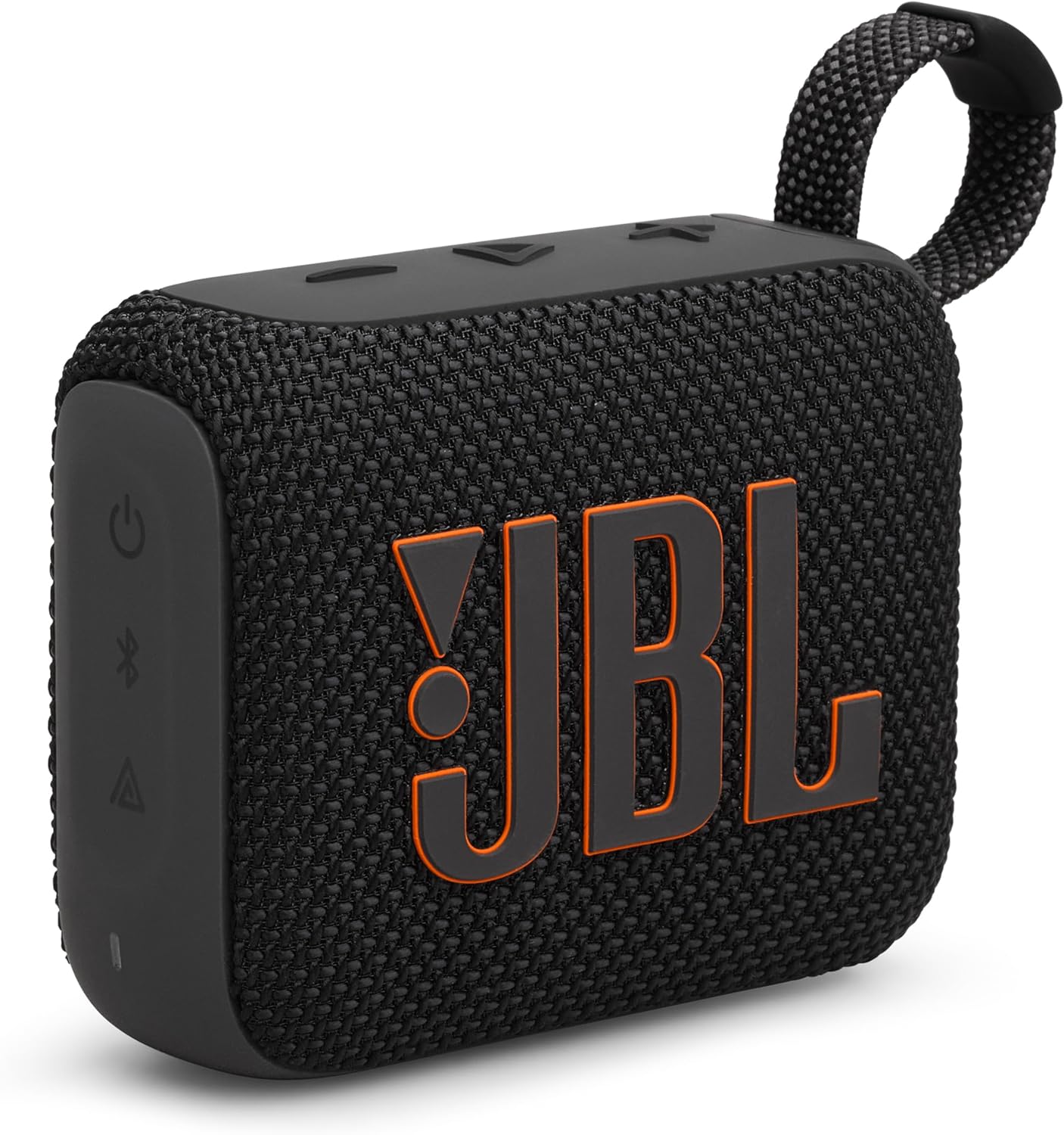

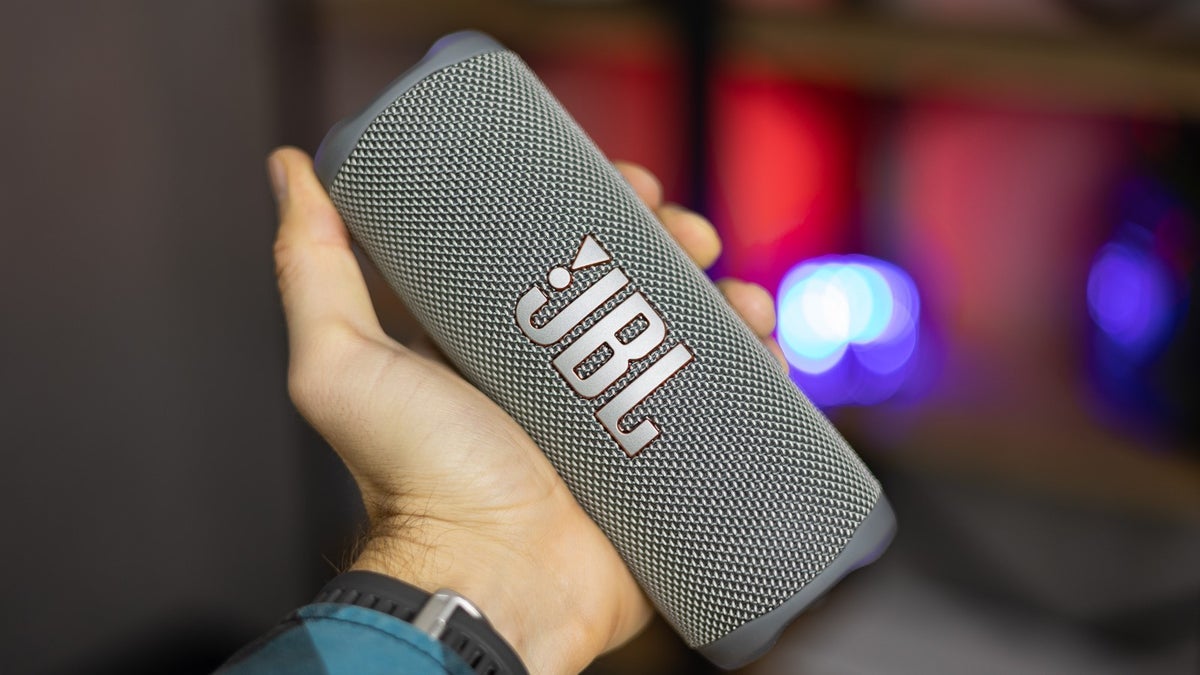
You’re packing your bag. Maybe it’s a quick weekend trip, a beach hang, or just a walk across town. You’ve got your essentials lined up, and then comes that question: “Do I grab the tiny one, or do I make room for something that really sounds good?” That’s the moment where the JBL Go 4 and the JBL Flip 6 step onto the stage. One’s small enough to forget you’re carrying it. The other? Loud enough that everyone else won’t.
These two speakers come from the same brand, but they’re clearly made for different moods. The Go 4 whispers convenience. The Flip 6 shouts impact. So let’s break it down and figure out which one actually earns its place in your everyday carry.
The portability trade-off: featherlight vs purposeful carry
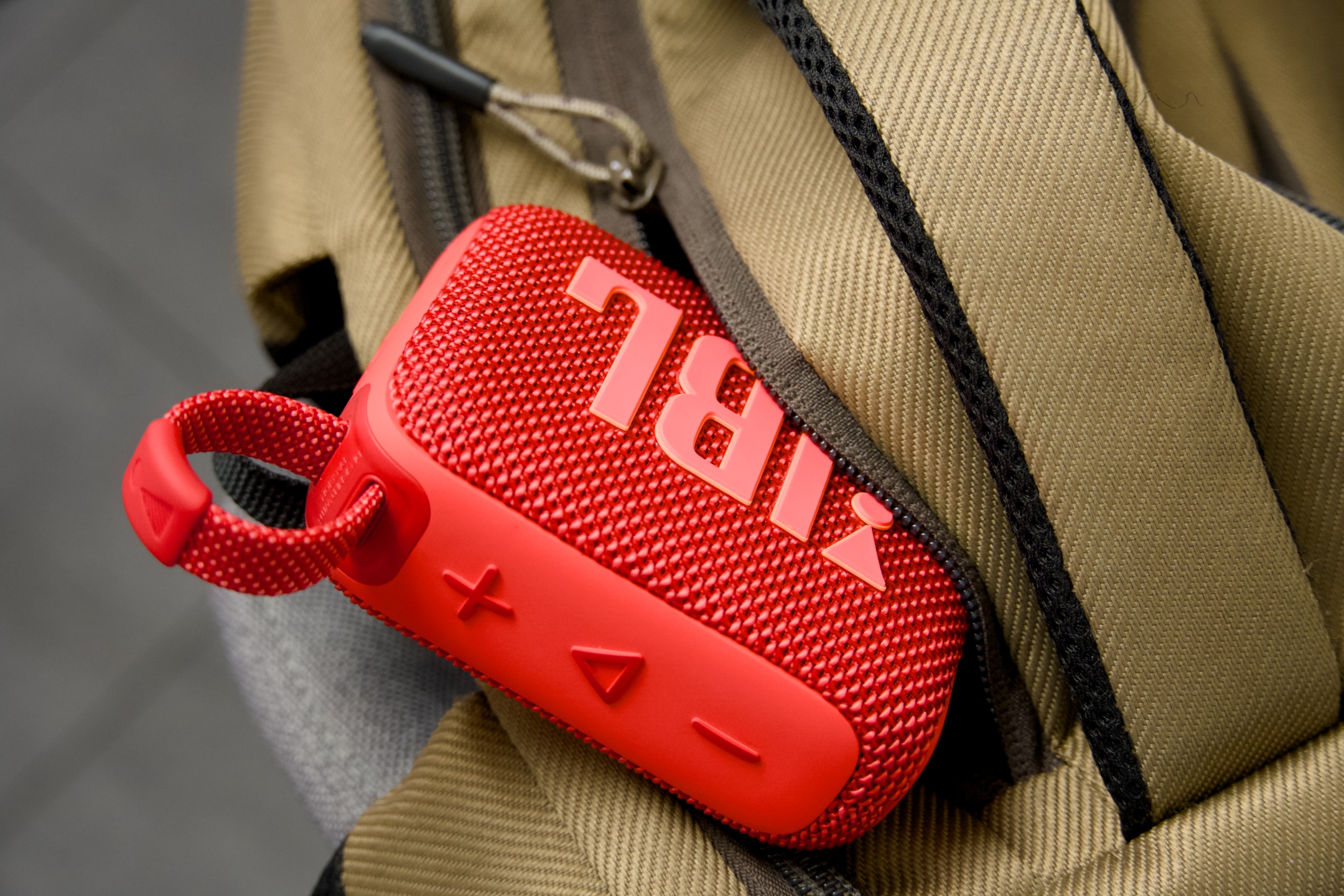
Let’s not pretend this isn’t a big one. The JBL Go 4 is ridiculously compact—just 90mm wide and under 200 grams. That’s the size of a small wallet, and lighter than most smartphones. Toss it into your tote bag, your jacket pocket, even the glove box of your car—you probably won’t even notice it’s there.
The Flip 6, meanwhile, is closer to 550 grams—basically the size of a water bottle. It still fits in a backpack easily, but you’re going to feel it. It’s the kind of speaker you bring when you plan to use it, not when you’re just heading out the door on a whim.
The Go 4 wins for everyday spontaneity. But if you’re okay making space, the Flip 6 has its own argument to make—especially once the music starts.
Sound quality that actually fills the space
Let’s not sugarcoat it—this is where the Go 4 hits its limits. It’s clear and punchy for its size, with a 45mm driver pushing 4.2W. But even with the best EQ settings, you won’t get deep bass or room-filling volume. This is personal-listening-level sound. Great for your desk, your hotel room, or a picnic for two.
Now play the same track on the Flip 6, and everything changes. This one runs a two-way setup with a dedicated woofer (20W) and tweeter (10W), plus dual passive radiators. That means richer mids, smoother treble, and bass that actually thumps instead of just suggesting it exists.
Even at high volumes, the Flip 6 stays clean. No distortion. No muddy vocals. It just holds the line, track after track. You can feel the kick drum. You can hear the snare snap. It’s not just louder—it’s better.
If you like music that’s layered, dynamic, or bass-heavy? Flip 6 wins. Every single time.
Battery life that keeps the party going

Battery specs can sound boring until you’re halfway through your day and the music dies.
The Go 4 gives you up to 7 hours of playback. Not bad for its size, honestly. But in real-world use, crank the volume, and you’re looking at closer to 5. And once it dies, you’ll be waiting around 3 hours to fully recharge.
The Flip 6, in contrast, is good for up to 12 hours—and charges in about 2.5. That means it’ll last through a beach day, a backyard hang, or a weekend trip without constantly living next to an outlet.
If you want to stop worrying about your speaker’s battery every few hours? The Flip 6 is the obvious choice.
Durability that matches your lifestyle
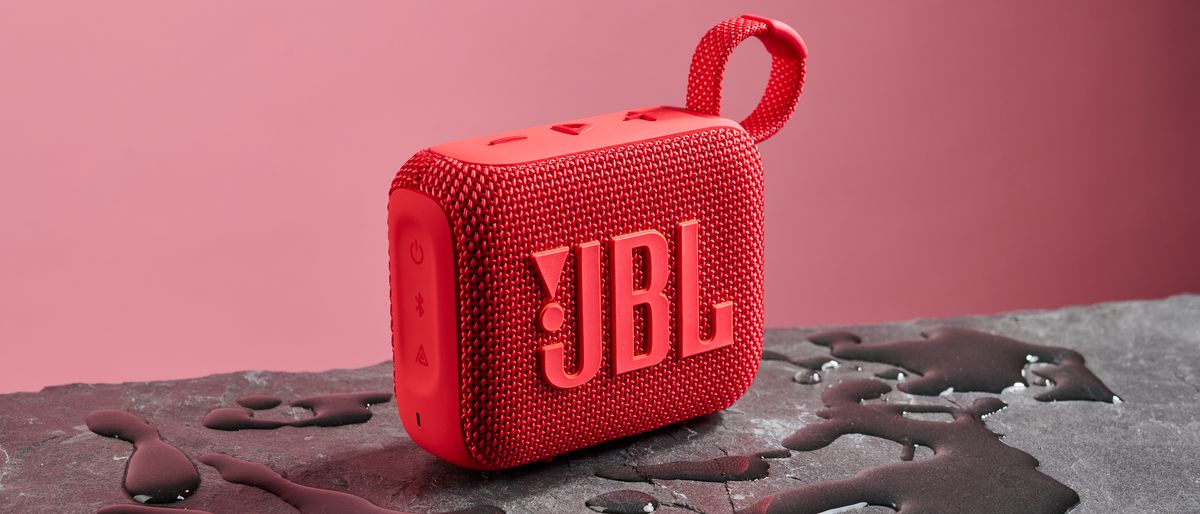
Here’s something we loved: both the Go 4 and Flip 6 have IP67 ratings. That means dustproof, waterproof, shower-ready, beach-ready, spill-resistant. You can dunk either of them in water and they’ll come out fine.
But here’s the catch: the Flip 6 just feels tougher. The rubberized shell, the beefier fabric wrap, the reinforced passive radiators—it’s clearly built for being tossed into a camp bag, clipped onto a bike, or bounced around a cabin.
The Go 4 isn’t fragile, but it’s not a tank either. It’ll survive splashes, sure. But you might hesitate to throw it on rocky ground or let it bounce around unprotected.
If you’re living rougher or just clumsier? The Flip 6 brings peace of mind.
Features that make life easier (or louder)
Let’s talk Bluetooth and extras. The Go 4 runs Bluetooth 5.3, which gives you stronger connection stability and better energy efficiency. It also supports Auracast™, JBL’s newer multi-speaker syncing system, so you can wirelessly pair it with compatible speakers to create a stereo setup or spread music across a space.
It also supports JBL’s app, so you can tweak the EQ, check battery life, or update firmware. Not bad for something this small.
The Flip 6 uses Bluetooth 5.1—not the latest, but still solid. Instead of Auracast, it uses PartyBoost, JBL’s older (but still effective) multi-speaker pairing system. You can still link it with other PartyBoost-compatible models, just not with Auracast devices.
That said, the Flip 6 has more speaker power to begin with, so when you do link it with others, it actually creates a serious soundstage. It’s not just about pairing—it’s about impact.
Both speakers charge via USB-C. Neither one has an aux input, so if you’re still using 3.5mm cables… sorry.
How do they fit into your life?
This is where it gets personal. Because no two people use Bluetooth speakers the same way.
The JBL Go 4 is for people who want something casual and compact. You’re not blasting party playlists. You’re catching up on podcasts in the park, adding background music to your workday, or streaming a playlist while you cook. It’s easy, chill, always ready.
The Flip 6 is for people who want presence. Who care how their music feels. Maybe you like hosting. Maybe you want to hear your music above the wind and water. Maybe you just want something that sounds “real.”
If music is the main event—not just the background—the Flip 6 is your speaker.
So… which one actually delivers?
This isn’t about bashing one and praising the other. The JBL Go 4 is fantastic at being small, simple, and surprisingly capable. It’s better than most speakers its size. And if you’re traveling light or keeping it casual, it might be exactly what you need.
But if we’re talking about who truly delivers—on sound, stamina, and experience—the JBL Flip 6 takes it. You feel the difference. In the clarity. In the bass. In the battery that just won’t die.
You can pack small. Or you can pack smart. If sound matters to you—like, really matters—the Flip 6 is the speaker you bring. Even if it means making room.