



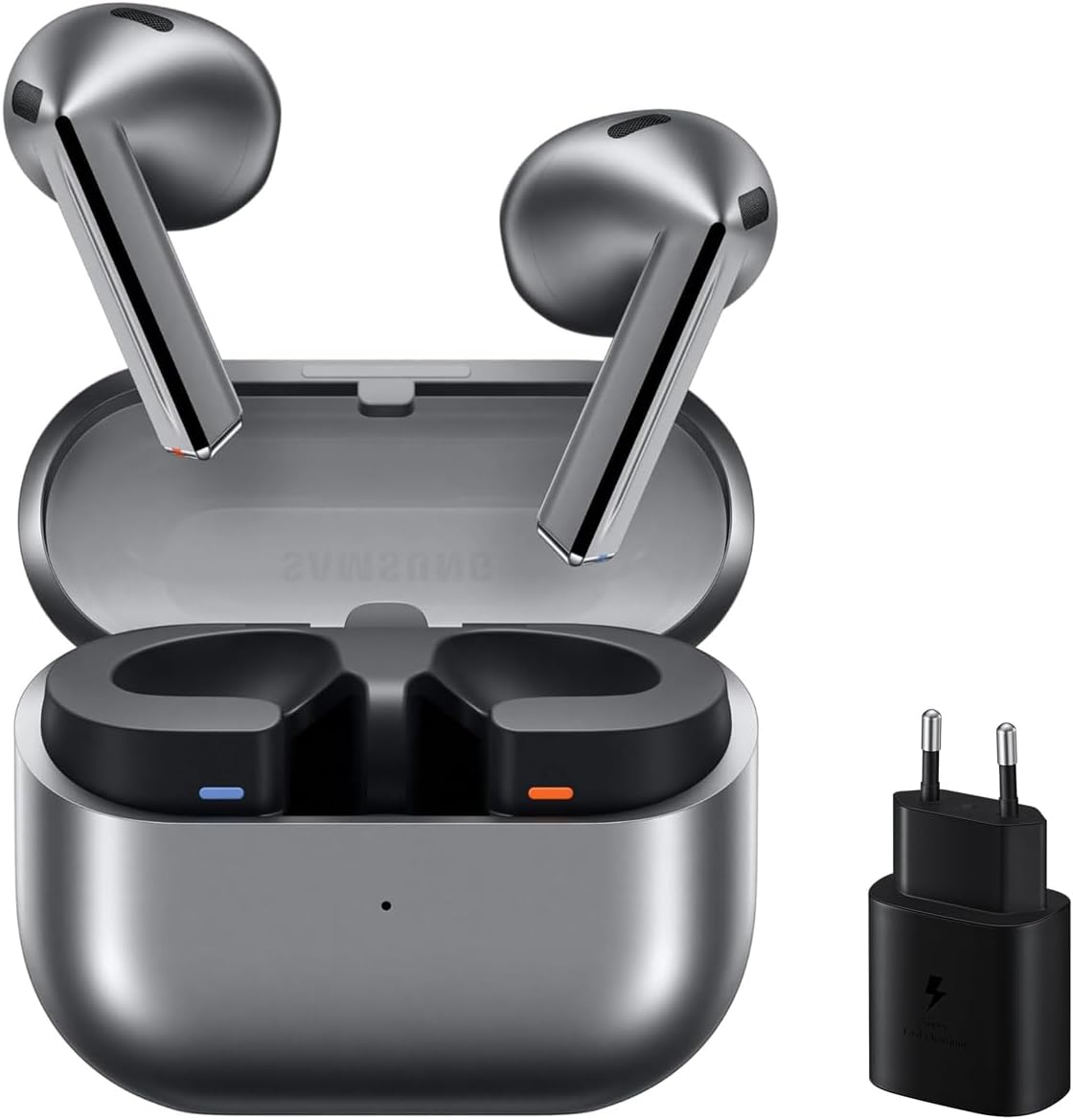
We didn’t think we’d be comparing two unsealed earbuds with active noise cancellation in 2025, yet here we are. Apple and Samsung have done the unthinkable: they’re giving us high-end, open-fit earbuds that try to shut out the world without even sealing the ear canal. That used to be a contradiction. Now? It’s the weird new frontier.
The AirPods 4 with ANC and the Galaxy Buds3 land in that same niche: open designs, smart features, and ANC that works without a silicone tip in sight. At a glance, they feel like twins—stemmed, sleek, and obsessed with integration. But once we actually start using them day in, day out, it gets messy. And interesting.
Let’s get into the real differences that matter when your earbuds don’t even try to stay put with a seal.
Fit is personal… and sometimes problematic

Here’s the honest truth: open-fit earbuds are not for everyone. Both Apple and Samsung are playing a risky game here. No silicone tips means no physical isolation, which makes comfort subjective and performance more variable.
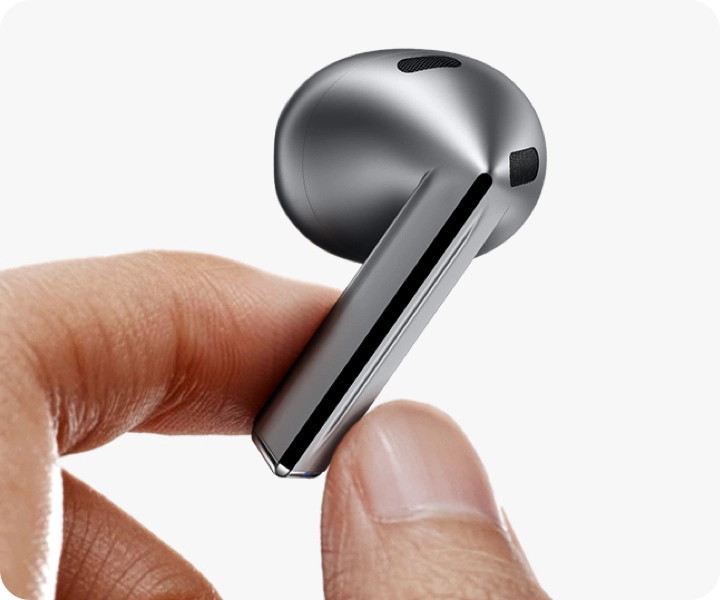
The AirPods 4 stick to what works for them: same signature stem, same hard plastic shell, just with subtle internal adjustments. The Galaxy Buds3, meanwhile, go a bit edgier. Their stem is more angular, their body a little more sculpted, and in photos, they look sleeker. But fit-wise? It’s still a gamble.
Neither model locks in the way in-ear earbuds do, and that makes them more likely to shift during workouts or commutes. Some ears will love the feather-light presence. Others will spend half their day readjusting.
This design isn’t about grip—it’s about giving your ear a break. And for the right shape of ear? That’s a beautiful thing.
One’s splashproof, the other’s borderline waterproof
Let’s not skip over water resistance—it’s more than a spec. The AirPods 4 with ANC have an IP54 rating, which is a solid step up from older models. They’re fine for sweat, drizzle, maybe even a spilled drink.
But Samsung went harder. The Galaxy Buds3 come with IP57 certification, meaning they’re not only dust-resistant but also can survive full immersion in a meter of water for up to 30 minutes. That’s rare for open-style earbuds.
So if your workouts get wild or you like running in the rain? The Buds3 clearly have the edge when it comes to taking a beating.
Controls that feel familiar… but not the same
Both earbuds stick with the stem for input, but they handle it differently.
Apple’s AirPods 4 use squeeze gestures—press once to play, twice to skip, etc. It’s discreet, responsive, and works even with gloves or sweaty hands. But the real fun is the head gestures: nod for “yes,” shake for “no,” and Siri responds accordingly. It’s subtle but strangely satisfying once you get used to it.
Samsung’s Buds3 lean on pinch and swipe gestures, letting you adjust volume by sliding your fingers along the stem. It feels tactile and deliberate. No accidental triggers, no mystery touches. But no head gestures either.
Both systems work, but Apple’s feels a touch more intuitive, especially if you live inside the iOS bubble.
Integration is where the line is drawn

This is the part where we stop pretending these earbuds are universal.
The AirPods 4 are made for iPhone. Period. There’s no separate app. You adjust ANC and spatial settings from Control Center or Settings. The experience is smooth, fast, and tightly woven into iOS. It’s not flexible, but it’s frictionless.
The Galaxy Buds3 plug straight into Samsung’s Wearable app, which is feature-packed and customizable. ANC strength, EQ profiles, AI tweaks, firmware updates—it’s all in there. But if you’re not using a Samsung phone, some of those features vanish or feel clunky.
So yeah, both are walled gardens. Pick your brand, and stick to it if you want the full experience. Cross-platform users? Prepare for compromises.
Bluetooth: both stable, but Samsung brings the nerdy stuff
Let’s be honest—Bluetooth 5.3 (on the AirPods) and 5.4 (on the Buds3) aren’t that different for most users. Both offer fast, stable connections and quick switching between paired devices.
But Samsung has a secret weapon: the Seamless Codec. It’s a high-bitrate audio option exclusive to Samsung phones, and it can squeeze more detail into high-res tracks without draining your battery. The downside? It only works on newer Galaxy phones.
Meanwhile, AirPods 4 stick with AAC, which works great across all Apple devices, but isn’t exactly a fidelity powerhouse.
If you want a little extra audio bandwidth and own a Samsung device, the Buds3 offer a slight geeky advantage.
Battery life is nearly identical—and good
No drama here. Both the AirPods 4 with ANC and Galaxy Buds3 deliver about six hours of playback on a single charge, dropping a bit if ANC is cranked up or you’re using spatial audio.
With the case, both hit around 30 hours total, which is excellent for unsealed earbuds running complex software in small form factors.
Whether you’re on a long flight or bouncing between meetings, neither model will leave you hanging.
ANC: Apple’s quiet is just more convincing
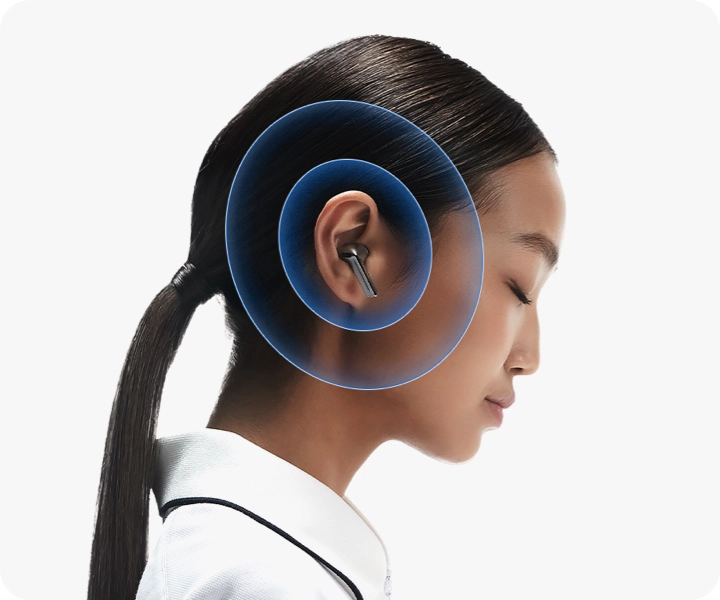
Here’s the thing. Noise cancellation in open earbuds is kind of magic. Or at least, it feels like it when it works. You’re not sealed off. Sound can still get in. But when done well, ANC can soften the outside world just enough to keep you focused.
The AirPods 4 with ANC pull this off surprisingly well. You still hear traffic, but the sharpness of voices, clatter of keyboards, or that buzzing HVAC unit? It’s dialed way down. The experience is subtle but consistent.
The Galaxy Buds3 try, but the results are all over the place. If the fit is just right and the environment predictable, you’ll get some decent suppression. But too often, ANC flickers or feels weak, especially with random street noise or café ambiance.
In this new field of open-fit ANC, Apple is simply ahead.
Sound quality: same limitations, different outcomes
Let’s not pretend: open earbuds can’t punch like sealed ones. There’s just no physical way to trap the bass. But still, execution matters.
The AirPods 4 manage a surprisingly detailed and balanced sound, with clear vocals, decent layering, and controlled highs. The bass is soft but present, and the tuning feels deliberate.
The Galaxy Buds3 sound flatter. Bass is more hollow, mids get lost in busy mixes, and treble can turn harsh. It’s not awful, but it lacks the refinement you get from Apple’s tuning.
Sure, EQ tweaks in the Samsung app can help, but only if you’re starting with a good fit—and that’s not always guaranteed.
If you care about clarity, the AirPods 4 win by a noticeable margin.
Mics matter, and Apple’s are better
Calls. Voice notes. Voice memos. Virtual meetings. Microphone quality now affects our lives way more than we thought it would.
And in this round? The AirPods 4 with ANC are clearer, louder, and more stable across environments. Even in windy conditions or traffic, they keep your voice focused and easy to understand.
The Galaxy Buds3 are fine indoors, but struggle with background noise, often making your voice sound distant or compressed.
If you use your buds to communicate daily, Apple simply nails this part of the experience.
Spatial audio is “supported” but not equal
Both products claim spatial audio with head tracking, but here’s the thing—Apple’s implementation just feels more complete. Personalized profiles, precise head tracking, seamless integration with Apple Music and supported apps… it’s fluid and immersive.
The Galaxy Buds3 try to match it, but it’s messier. You need the right phone, the right media player, the right codec, and it still might feel a little off.
On paper, they match. In real life? Apple’s spatial audio feels intentional. Samsung’s feels like a checkbox.
So… who wins this unsealed showdown?
Look, we didn’t expect to say this. Open-fit earbuds with ANC sounded like a gimmick. But the AirPods 4 with ANC prove that it’s not just possible—it’s usable. Apple took a form factor that used to be passive and made it smart, clean, and effective.
The noise cancellation is subtle but consistent. The sound is better. The mic is more polished. The interface is tight and intuitive. If you’re in the Apple ecosystem, there’s really no reason to hesitate.
The Galaxy Buds3 have strengths—that water resistance, those codec options, that swipe-based control. But they fall short in the things that matter most when you’re trying to deliver premium audio without a seal: sound quality, ANC reliability, and call clarity.
So yeah, the AirPods 4 with ANC take this one. Not by blowing the Buds3 away, but by showing that even in the unsealed game, execution still matters more than ambition.