


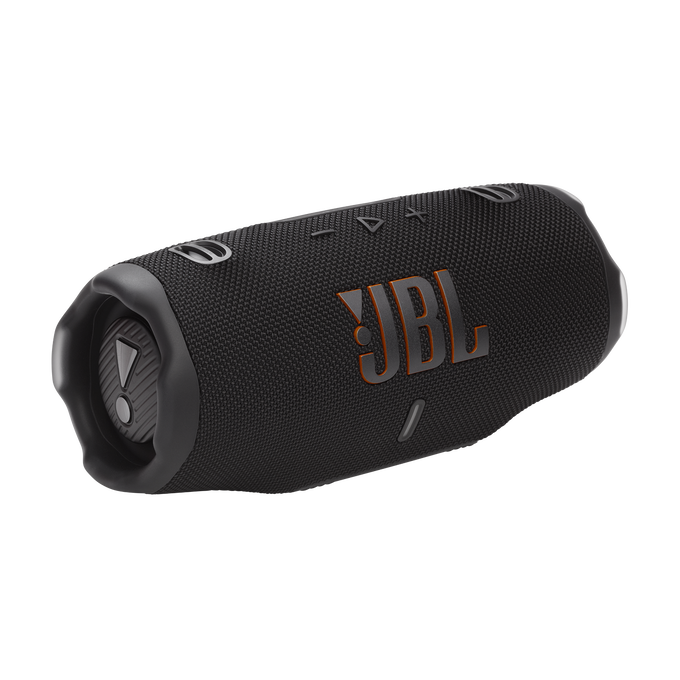
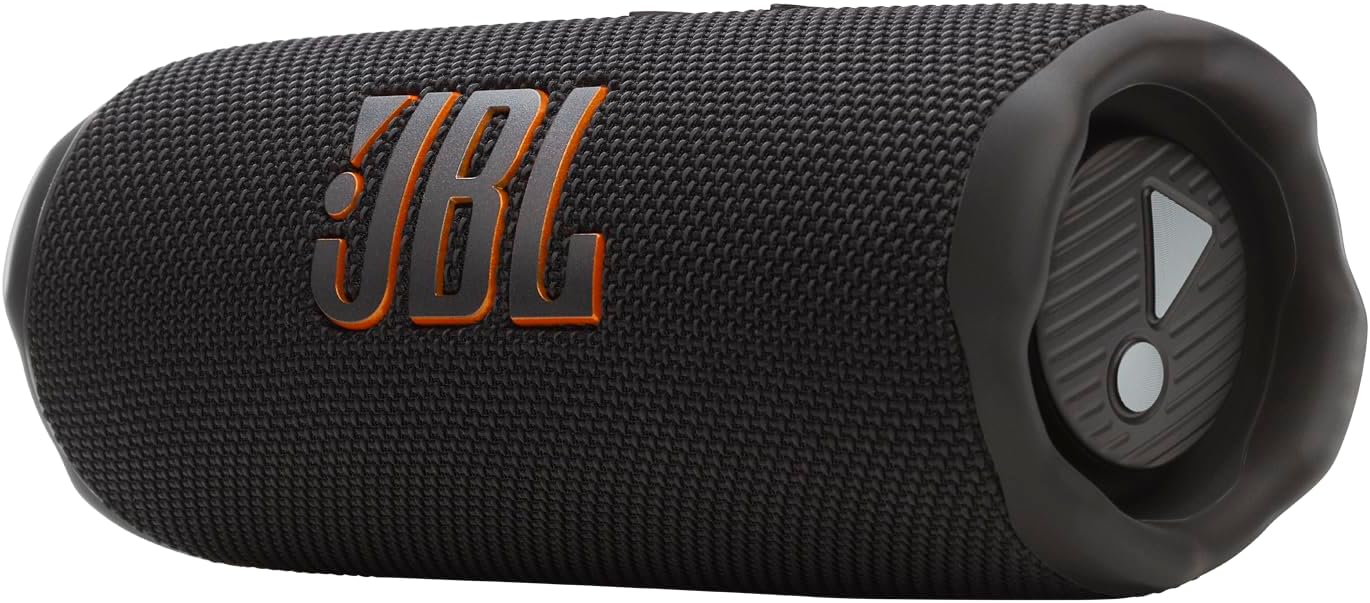
You know that moment when you’re packing for the day and have to choose between squeezing in your speaker or saving room for snacks? Yeah, we’ve been there. And that’s exactly what this comparison is about—do you go big with louder sound and longer battery, or keep things light and easy to carry? The JBL Charge 6 and the JBL Flip 7 might look like cousins from the same family reunion, but once you start using them, you realize they’re built for different lives.
Both speakers bring fresh updates and rugged durability, but the way they handle power, sound, and convenience is what really separates them. Whether you’re planning an all-night beach party or a bike ride through the city, one of these is going to fit better into your day.
Let’s dig into the nitty-gritty and help you figure out which speaker’s calling your name.
Built to get dirty, wet, and dropped
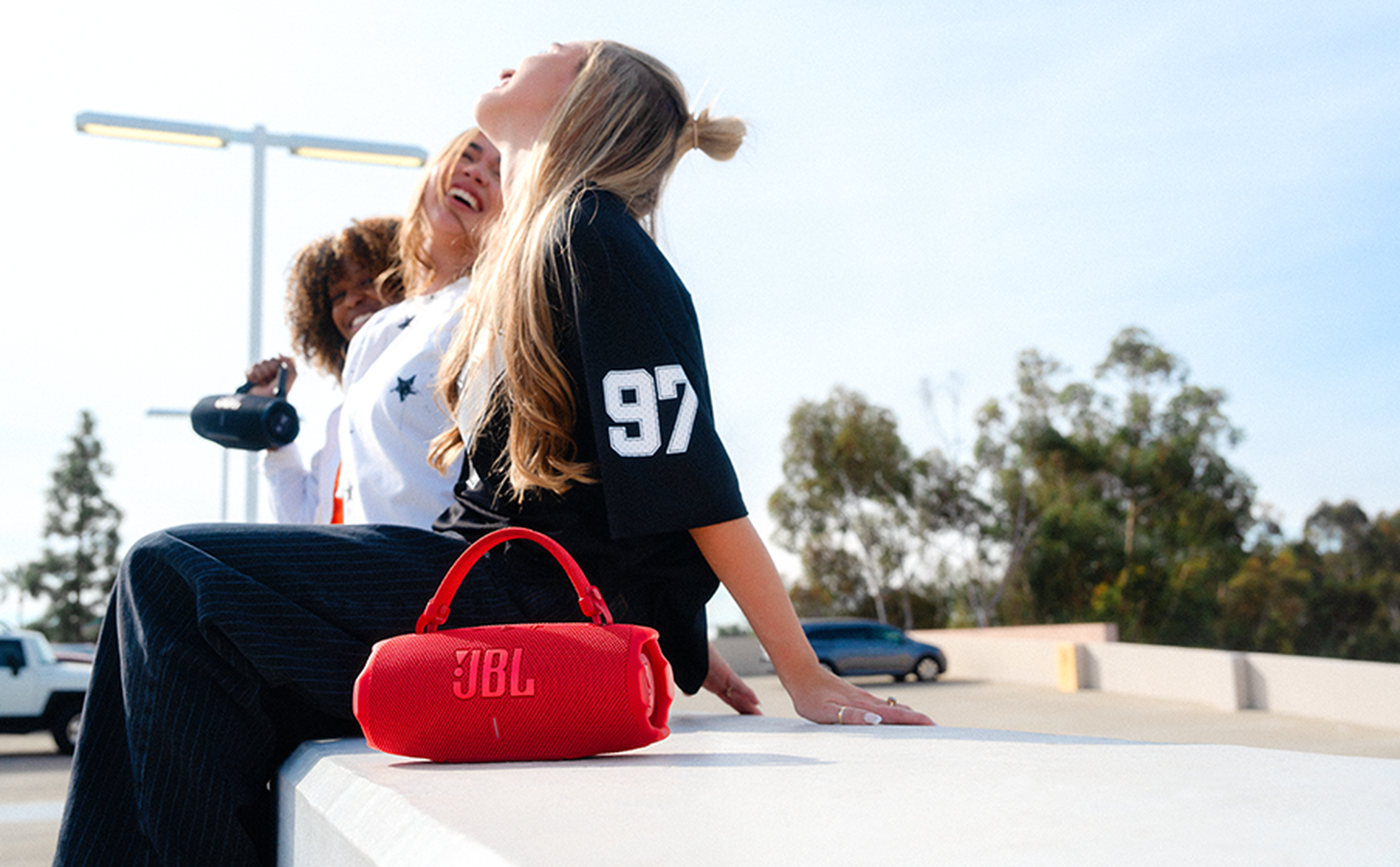
This part’s easy: you can basically treat both the Charge 6 and Flip 7 like tanks. They’re rated IP68, which means they’re completely dustproof and can survive being underwater for up to 30 minutes at 1.5 meters deep. Whether it’s rain, pool dives, or a trail full of sand, they’re made to take abuse and keep the music going.
JBL even claims both models can handle a drop from about a meter, and although we haven’t tested it with a hammer (yet), they definitely don’t feel fragile. This level of durability gives you that peace of mind to throw them in your bag without a second thought.
In short: don’t baby these. You don’t need to.
Bluetooth, USB-C, and… goodbye, PartyBoost?
Wireless connection is rock solid on both thanks to Bluetooth 5.4, which means better efficiency, longer range, and fewer dropouts. Whether you’re streaming from your phone or pairing with a tablet, you’ll get low-latency, high-quality sound without annoying interruptions.
But things get more interesting when we talk about how these speakers talk to other speakers. JBL has ditched its PartyBoost protocol in favor of Auracast, a new system designed for easier and more flexible speaker linking. That’s great for future compatibility—but it breaks ties with your old JBLs. Your Charge 5 and Flip 6? They’re stuck in the past. These new models won’t connect with them.
Both speakers also support USB-C audio, meaning you can plug in for a direct, lossless connection. There’s no 3.5mm jack anymore, so if you’re still rocking that aux cord lifestyle, it’s time to move on.
Buttons and controls: familiar, but smarter

If you’ve used a JBL speaker before, you’ll feel right at home here. You’ve got your play/pause, volume up/down, Bluetooth pairing, and power buttons all right where you expect them. No surprises, no gimmicks.
But now there’s a new button in the lineup: the Auracast button. This is your gateway to multi-speaker setups with other Auracast-compatible JBL devices. Want to link your Flip 7 with a Go 4 or an Extreme 4? Press and go. Just don’t expect it to play nice with older speakers still using PartyBoost.
The layout is clean, the buttons are tactile, and the learning curve is practically zero. You can use these speakers right out of the box without even opening the app—though you’ll want to, eventually.
JBL Portable app: more control, more fun
If you’re the type who likes to tweak things, the updated JBL Portable app finally delivers. Gone is the simple three-band EQ. Now you get a seven-band EQ, letting you dive deep into your sound preferences. Want more punch in the mids for podcasts? Need to tone down the highs in bright rooms? You’ve got the tools.
You can also use the app to manage speaker linking, update firmware, and enable a new feature called Playtime Boost. This one’s clever—it reduces overall loudness and trims certain frequencies to squeeze out more battery life. On the Flip 7, it adds up to two extra hours. On the Charge 6, you can get up to four. Just don’t expect the same fullness of sound when it’s on. You’re trading energy for endurance.
Battery life: one’s a marathon, one’s a sprint

Okay, maybe not a sprint, but there’s a clear difference here.
The Charge 6 is the battery king, offering up to 28 hours of playtime on a full charge. That’s more than a full day of music, podcasts, or ambient background noise while you work. You could leave on a Friday and not need to recharge until Sunday night.
The Flip 7 lands at 16 hours of battery life, which is still solid. For day trips, picnics, or just carrying around the house, it holds its own. But if you’re planning anything that stretches into the second day, the Charge 6 is the safer bet.
And yes, you can extend both with Playtime Boost—but that only makes sense if you’re okay with dialing things back a notch.
Sound signature: rumble or clarity?
Here’s where things really separate.
The Charge 6 is built for impact. With 45 watts of output power and a setup that includes a woofer, a tweeter, and dual passive radiators, it delivers bass you can feel. That extra air movement and cabinet space allow for deeper low-end, better dynamics, and higher overall volume. It doesn’t distort when pushed, and it fills space like a much larger speaker.
The Flip 7 is no slouch—it pushes 35 watts and sounds clean and balanced—but it just doesn’t have the physical presence to compete. Bass is there, but it doesn’t hit you in the chest. Highs are crisp, and vocals are well-defined, but in more complex tracks, it starts to feel a little cramped.
Think of it this way: the Flip 7 is great for hanging out. The Charge 6 is better for getting hyped.
Carry-ability: toss it in, or plan ahead?
This part is about what you feel when you pick one up.
The Flip 7 is featherlight, compact, and easy to grip. You’ll carry it in one hand, toss it into a tote, or clip it to your bag and forget it’s there. It’s the kind of speaker that lives with you—not the one you have to think about bringing along.
The Charge 6 is a different story. It’s nearly twice the size and weight. It still fits in a bag, sure—but you’ll feel it. It’s more of a conscious choice. You bring the Charge 6 when you’re planning to share your music with a crowd, or when you don’t want to compromise on output.
So yeah, they’re both portable—but one’s a throw-it-in-and-go speaker, and the other is more of a “we’re doing this” commitment.
One-on-one listening or party mode?

Use case matters here.
The Flip 7 shines when it’s just you, maybe a couple of friends, and a chill vibe. It’s not going to overwhelm the room, and that’s kind of the point. You can actually talk over it. It’s perfect for personal listening, small rooms, or casual get-togethers.
The Charge 6, on the other hand, can power a whole backyard. Its bass carries further, it stays clear even at high volumes, and it just sounds bigger. It’s the speaker you bring to a BBQ, a beach hang, or to turn your living room into a dance floor.
Both support stereo pairing, so if you grab a second identical model, you can build out your sound. But on their own, they’re designed for different scales of listening.
So… which one’s the move?
We’ve carried both around, blasted all kinds of music through them, and played with every setting. And here’s what we keep coming back to:
The JBL Charge 6 is the speaker you want if sound, stamina, and scale are priorities. The extra volume, deeper bass, and nearly 30-hour battery make it a beast. It doesn’t just play music—it owns the space.
But don’t sleep on the JBL Flip 7. It’s compact, practical, and still sounds great for its size. If portability and convenience matter more to you than power, it’s a smart, stress-free choice.
We’ll be honest though—once you’ve heard the Charge 6 go full throttle outdoors, it’s hard to go back. It feels like you’ve brought a full sound system in your backpack. So yeah, it’s bigger. But it earns every ounce.