



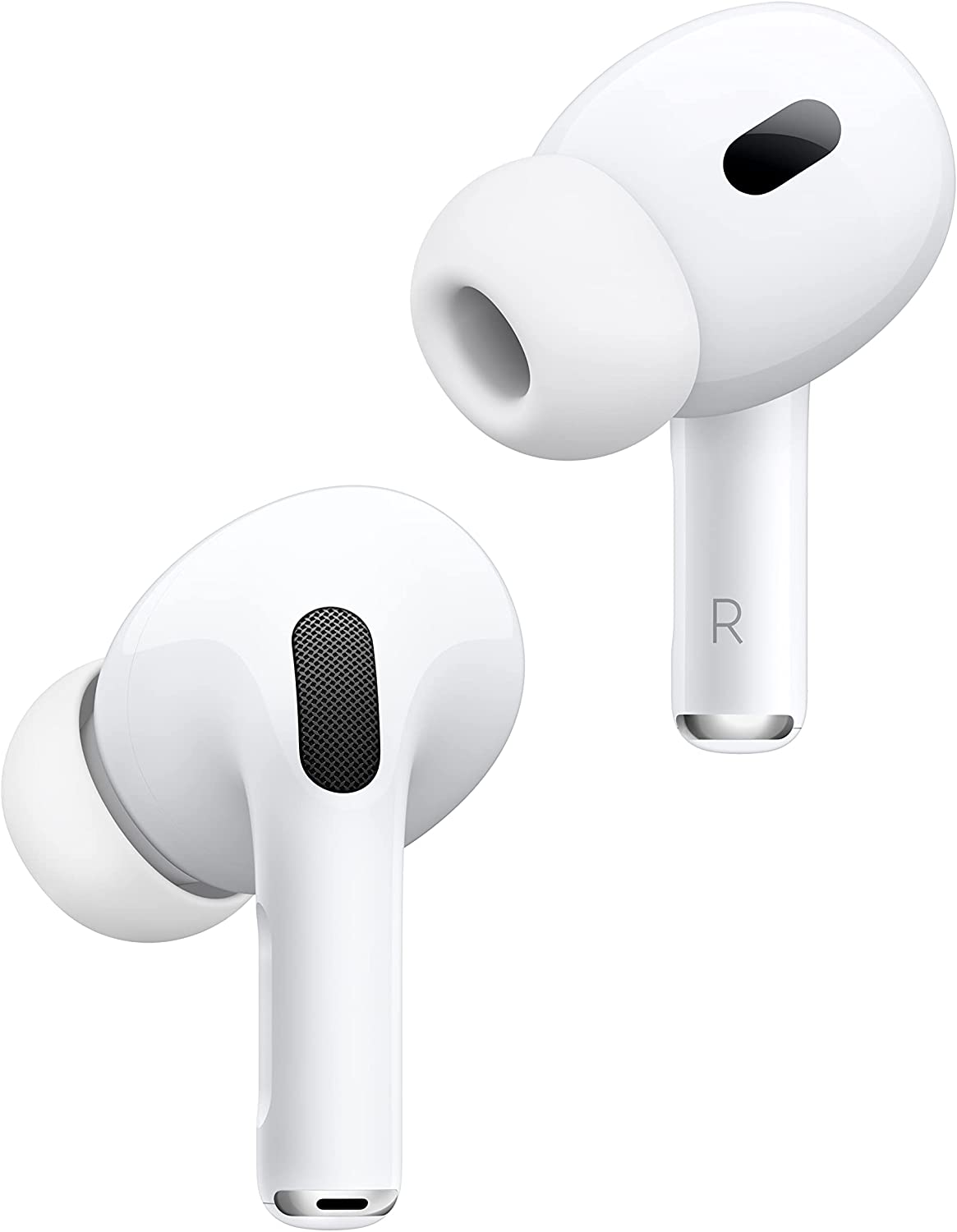
We didn’t expect Apple to blur the line this much. With the AirPods 4 bringing active noise cancellation to a design that used to be all about openness, things have gotten… confusing. Not in a bad way, just in that “wait, which one’s for me now?” kind of way. And then there’s the AirPods Pro 2, sitting quietly with their tight seal, spatial audio precision, and that feeling of “yeah, I got this” that hasn’t changed since they launched.
So here we are. Two wireless earbuds. Two philosophies. One wants to disappear into your ear with a soft grip and seal out the world. The other wants to sit back, chill in your outer ear, and let a bit of life leak in. But now they both cancel noise. They both do spatial audio. They both have voice control. So where’s the real difference now?
Let’s break it all down—because, wow, it’s a bit of a maze this time.
Fit changes everything

This is where the divide starts, and it’s a big one. The AirPods Pro 2 rely on an in-ear seal with soft silicone tips, which means you get passive isolation even before ANC kicks in. It changes how music hits. You feel the bass more. You hear fewer distractions. This in-canal design isn’t just about comfort—it’s the foundation for the Pro’s overall audio and noise-canceling performance.
The AirPods 4, on the other hand, keep the classic open fit, which means they just sit in your ear without plugging it. They’re lighter, more breathable, and better if you hate that pressure-in-the-head feeling some in-ear buds cause. But they don’t stay put quite as well during movement. And they definitely let in more outside noise.
The cases are nearly identical in size and features, especially in the ANC version of the AirPods 4. You get MagSafe support, Apple Watch charger compatibility, and a speaker for Find My sounds—but only if you avoid the base model. The non-ANC AirPods 4 skip the wireless charging entirely and come with a plain USB-C case. So yeah, pick carefully.
Not all noise cancellation is created equal
Let’s not pretend this is a tie. The AirPods Pro 2 crush it when it comes to noise cancellation. That tight seal? It’s doing a lot of heavy lifting. Combine that with Apple’s software smarts and you get an ANC experience that blocks subway rumbles, airplane drones, and office chatter.
But here’s the plot twist: the AirPods 4 with ANC now try to cancel noise without sealing the ear. That’s tricky business. You don’t get silence. What you get is more like… muffling. It dampens the chaos around you but doesn’t erase it. Think of it like muting a conversation rather than ending it.
If you’re walking downtown and want to stay aware, it’s kind of perfect. But if you’re trying to zone out on a flight or focus in a loud gym? The Pro 2 still wins, hands down.
Audio quality isn’t just about hardware
Let’s be blunt—the AirPods Pro 2 sound better. Not by miles, but enough to notice. The seal boosts bass response and lets the drivers focus all that audio directly where it needs to go. You get tighter lows, clearer mids, and sharper highs. It’s all more controlled.
That doesn’t mean the AirPods 4 sound bad. For an open design, they’re kind of shockingly good. The tuning feels punchy, and the highs cut through well without being shrill. But they can’t reproduce the same depth or isolation as the Pro model.
So what are you really paying for? Immersion. If that’s your priority—music that fills your head and cuts you off from the rest of the world—it’s the Pro 2, no question.
When it comes to spatial audio, we’re at parity
No drama here. Spatial audio with dynamic head tracking works beautifully on both. You can create a personalized profile, watch a Dolby Atmos concert, or just get more dimension out of your podcasts. The experience is identical.
There’s no downgrade in spatial tech between the AirPods 4 and the AirPods Pro 2. It’s just the fit and ANC that shape how that spatial audio feels. Without a seal, the illusion of depth sometimes doesn’t land quite as convincingly.
Still, if this is your main feature? You’re good either way.
Battery life—one edge, but not everywhere

This one gets tricky depending on how you use your earbuds. With ANC active, the AirPods Pro 2 squeeze out about 6 hours, and the case gets you to 30 total. That’s solid, especially when you consider the Pro model is doing heavy lifting with noise cancellation and spatial audio.
The AirPods 4 with ANC dip slightly, managing around 4 hours of playback. When ANC is off, they jump back up to 5 hours, matching the non-ANC version.
The weird part is that both offer similar totals with the case—around 30 hours. So if you don’t mind popping them back in to charge now and then, the difference isn’t night and day. But for long-haul use or travel? The Pro 2 are more consistent, especially with features turned on.
Charging is smooth, unless you go base model
The charging experience is almost identical—MagSafe, Qi pads, and Apple Watch chargers all work on both ANC-equipped models. That means no fiddling with cables if you’ve got the Apple ecosystem around.
But—and it’s a big but—the entry-level AirPods 4 skip wireless charging entirely. That version is stuck with USB-C only. It’s fast, yes, but a bit behind the curve when every other device in your bag is going wireless.
So if convenience matters, it’s either the Pro 2 or the higher-end AirPods 4. Don’t cheap out just to save a few bucks if you live on charging mats.
Controls are mostly the same—until your head gets involved
Squeeze-based controls are the norm now. Play, pause, skip tracks, answer calls—same gestures on both models. Long-press toggles ANC and Transparency mode where available.
Voice control via Siri? Check. It’s smooth and hands-free, no issues here.
But the AirPods 4 throw in a fun little extra: head gestures. Yes, you can nod “yes” or shake “no” to respond to certain prompts. Siri picks up on it, and over time, learns how you move. It’s weirdly cool, slightly gimmicky, and kind of useful if your hands are busy.
Not a game-changer, but definitely adds personality.
Water resistance? Identical—sort of
Every version here comes with IP54 certification, which means splash-proof and dust-resistant. Don’t take them swimming, but a sweaty workout or getting caught in the rain? No problem.
And yes, this also applies to the cases now, which adds a bit of confidence if you toss them into a messy gym bag or backpack.
There’s no real edge here—just good, predictable protection across both lines.
Bluetooth’s smooth—but no surprises

Bluetooth 5.3 and AAC codec support are standard on both, so the experience is snappy and efficient. No dropouts, quick pairing, and everything syncs across your Apple devices.
There’s no support for advanced codecs like aptX or LDAC, but that’s Apple being Apple. Inside the ecosystem, AAC does a great job, and the integration with iCloud pairing is what keeps things seamless.
Bottom line? Connectivity isn’t a deciding factor.
Hearing health: only the Pros go deep
Here’s where the AirPods Pro 2 jump ahead in a very real way. Apple’s been slowly adding hearing support features, and with the Pro 2, they’ve gone a step further.
You can run a hearing test through the Settings app, and the results are used to tweak audio playback—across music, calls, and ambient sounds. It’s like having mild hearing aid functionality, built right into your earbuds.
For users with hearing sensitivity, this is huge. And it’s only available on the Pro 2. The AirPods 4, even with ANC, don’t have that deeper level of audio personalization.
So if hearing clarity or accessibility is a concern, the decision’s made for you.
Mics are strong across both
Nothing major to say here—beamforming mics and noise suppression work well in both models. Calls are clear, Siri understands you, and voice memos don’t sound like you’re trapped in a cave.
If you’re taking Zoom calls, walking through the city, or chatting with friends, both hold up well. In louder environments, the Pro might have a slight advantage just because of the better fit. But it’s marginal.
So… where does this leave us?
Honestly? The AirPods Pro 2 still feel like the grown-up in the room. They’re more versatile, better at shutting out the world, and stronger when it comes to audio depth and personalization. The hearing health tools are legit. The seal makes everything sound tighter. And they just work, no matter the situation.
The AirPods 4 with ANC are exciting, though. It’s bold of Apple to bring noise cancellation to an open design. And if you hate the feel of in-ear buds or want to stay connected to your surroundings, they make a lot of sense. Add in the head gestures, and they’re kind of charming.
But they’re not equal. Not quite. If immersion, control, and premium features matter, the AirPods Pro 2 are still the top pick. The AirPods 4 are fun, smart, and light—but they don’t do it all.
Then again… maybe they’re not trying to.