


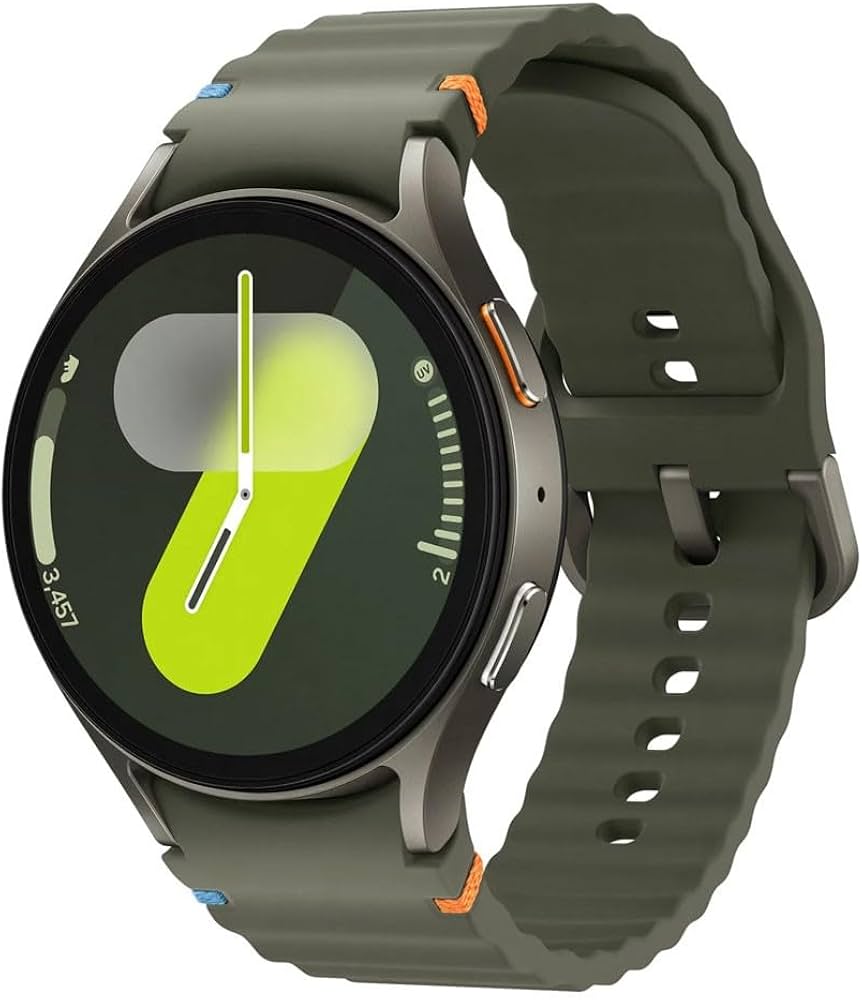
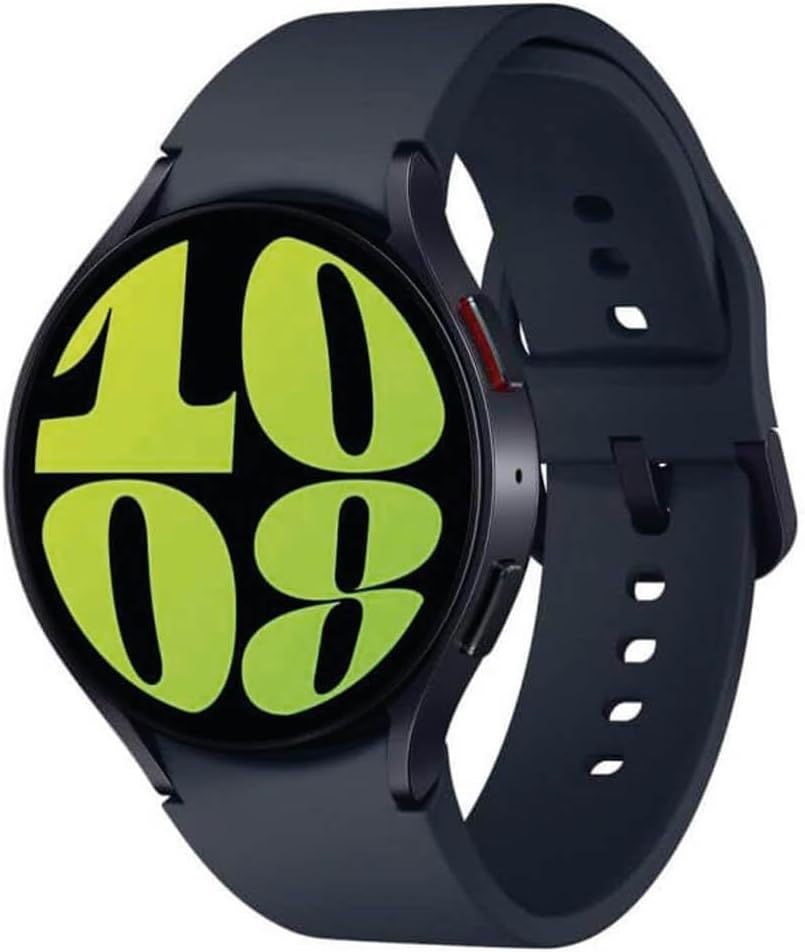
You know that moment when you look at something and think, “Wait, didn’t I already buy this?” That’s exactly what happened when we strapped the Samsung Galaxy Watch 7 on our wrist after months with the Galaxy Watch 6. Same size, same screen, same feel—almost like déjà vu. But then you start diving into menus, syncing it with your phone, tracking your sleep, and suddenly… things feel sharper. More fluid. Just better, but not in your face about it.
This isn’t a total redesign. It’s a tune-up. The Watch 7 doesn’t scream change—it whispers it. Subtle, measured improvements that you only notice once you’ve lived with it for a bit. If you’re expecting fireworks, you’ll be disappointed. But if you’re after smarter performance, better health insights, and a more polished everyday experience, well, you might want to keep reading.
Same classic look, with barely-there refinements
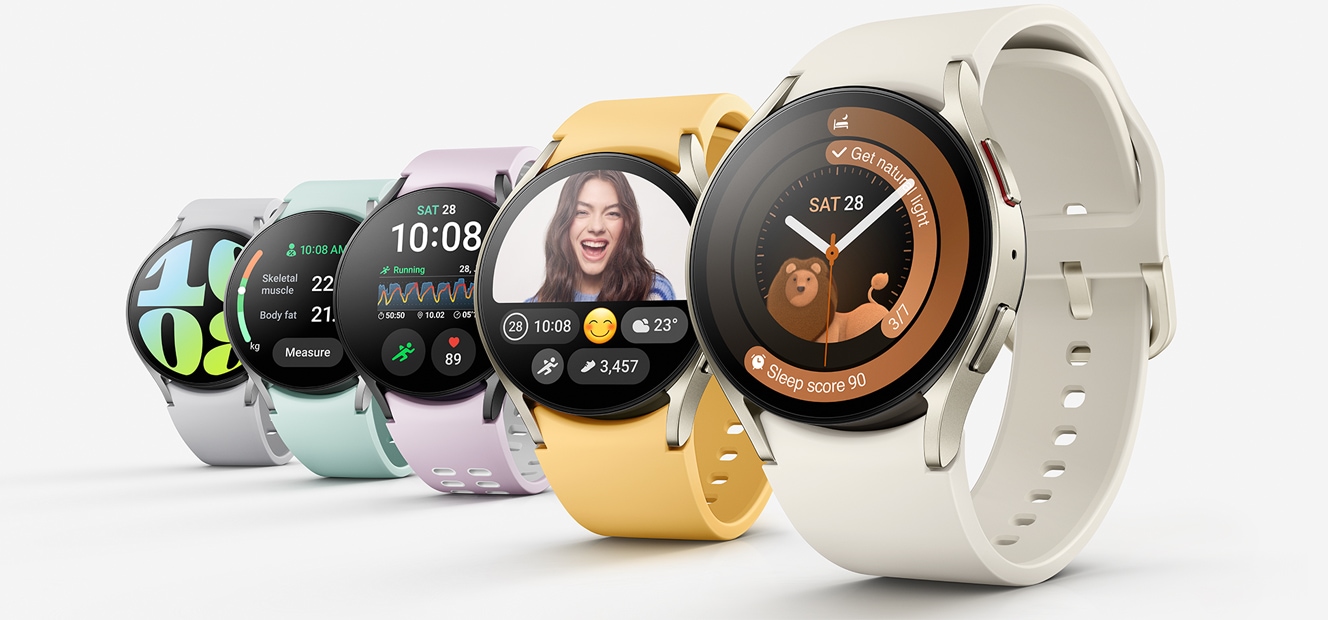
Not much to dissect here, visually speaking. Both the Galaxy Watch 6 and Watch 7 come in the same 40mm and 44mm sizes, which is good news for those of us with smaller wrists. There’s still no thick, clunky frame to worry about, and the overall silhouette remains clean and modern.
The switch to a digital bezel happened a while ago, and while some of us still miss the physical rotating ring (yes, we’re nostalgic like that), the digital version on both models gets the job done—even if it lacks that satisfying click.
Water resistance is identical too—IP68 plus 5ATM—which makes both watches perfectly fine for showers, rain, or a casual swim. Want to go scuba diving? Then you’ll need to check out the Watch 7 Ultra instead. But for normal life, both of these hold up.
Bands and style: barely noticeable tweaks
Samsung didn’t mess too much with the band system, for better or worse. The quick-release button from the Watch 6 makes a return on the Watch 7, though it’s still a bit too fiddly to be genuinely quick. We found ourselves fumbling more than once, which isn’t ideal when you’re in a rush.
That said, the compatibility with older Galaxy Watch bands is still intact, which means your collection of leather, silicone, or metal straps from previous years won’t go to waste.
Samsung added some new styles, like the Ripple band, that bring a little freshness to the table, but let’s not kid ourselves—it’s a minor fashion update, not a design overhaul.
New chip, new energy—finally some speed
Here’s where things start to get interesting. Samsung quietly dropped in a new 3nm processor for the Watch 7, replacing the 5nm chip inside the Watch 6. That may sound like technical mumbo jumbo, but trust us, it matters.
We’re talking about up to 30% faster performance and roughly 50% better power efficiency. It means apps open quicker, scrolling feels smoother, and transitions are snappier. You don’t notice it right away—but once you go back to the Watch 6, it suddenly feels sluggish.
Storage also doubles from 16GB to 32GB, which is a pretty big deal for people who like to keep music and apps directly on their wrist. With the Watch 6, we were constantly managing storage. On the Watch 7? There’s room to breathe.
Wear OS 5 brings smoother moves and smarter health
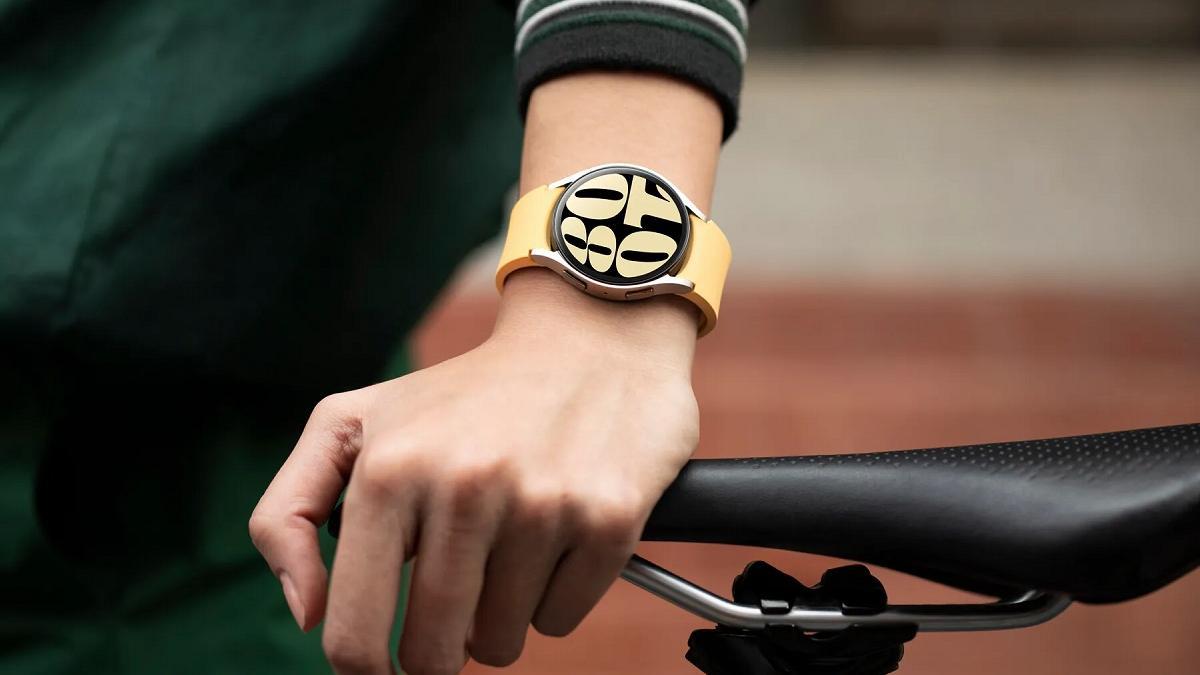
Both watches run Samsung’s skin of Wear OS, but the Galaxy Watch 7 ships with Wear OS 5 out of the box, and it comes with some subtle but meaningful enhancements.
Animations are more fluid, background processes behave better, and overall efficiency is tighter. One standout addition is the new “Energy Score”—a stat that blends heart rate, activity, and sleep data to help you figure out how ready your body is for the day. It’s more than just step counting or sleep hours—it gives context.
For runners and cyclists, there’s now the Race feature, letting you compare past performances on the same route. It’s motivating, even if a bit nerdy. Sleep tracking also got smarter: the Watch 7 offers a Sleep Score that evaluates restfulness, not just time asleep.
You also get more detailed fitness feedback, like aerobic and anaerobic threshold zones during workouts, which are helpful for anyone training with a goal in mind. None of this reinvents the wheel—but it definitely fine-tunes the ride.
Battery life: same dance, just a little longer
Let’s be honest. We were hoping for a real jump here. And… well, the Watch 7 still uses the same batteries—300mAh for the 40mm and 425mAh for the 44mm.
You’re getting around 28 hours without always-on display, and about 20–22 with it on. That’s basically identical to the Watch 6. Maybe a tiny bit longer on the 7, but not enough to matter.
Where things do improve slightly is charging. The Watch 7 now supports 15W wireless charging, which cuts charging time significantly. It’s not a massive shift, but when you’re trying to top up before heading out, every minute helps.
Still, if you were dreaming of two-day battery life? Keep dreaming.
Connectivity stays strong—and slightly smarter
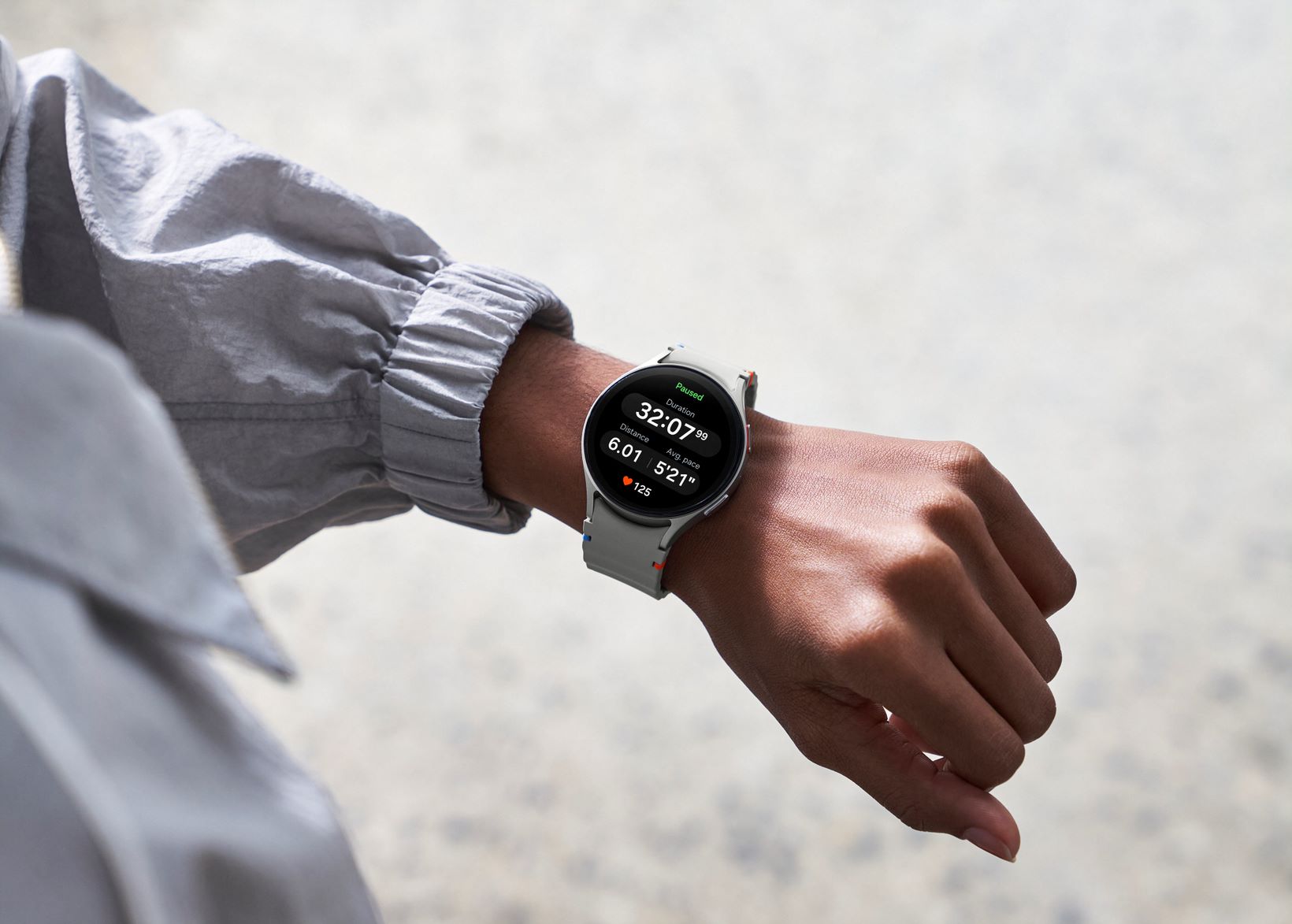
Both the Watch 6 and Watch 7 offer Wi-Fi and LTE versions. You can still leave your phone at home and take calls, stream music, or use Google Maps without being tethered. That part hasn’t changed.
But the Watch 7 adds something we didn’t expect: dual-band GPS. For city dwellers, runners, or anyone moving around high-rise environments, this means more accurate location tracking with fewer weird map jumps.
All the other connectivity options—Bluetooth, NFC, Wi-Fi—stay the same, and both watches play nicest with Samsung phones. No, iPhones still aren’t invited to this party.
Display: same AMOLED beauty, no complaints
Samsung didn’t touch the screen tech this time, and that’s fine. Both watches use Super AMOLED displays that are crisp, colorful, and bright enough to see in direct sunlight. They’re responsive, sharp, and the always-on options still look great.
There’s no change in resolution or brightness levels, but honestly? It didn’t need one. It already felt like the best display in the smartwatch world, and the Watch 7 keeps that crown intact.
Health sensors: old hardware, smarter software
No new sensors on the Watch 7, which might seem disappointing—until you see what the software’s doing with the existing ones. Heart rate monitoring, SpO2, ECG, body composition, skin temperature—they’re all still here. But the data they produce? It feels more accurate.
Thanks to new algorithms, health tracking on the Watch 7 is a little tighter, more consistent, and better integrated into the feedback loops. Sleep analysis feels more insightful. Running data makes more sense. It’s the same hardware, working harder.
And now… what’s actually different?
Let’s cut through the noise. If you’re coming from a Galaxy Watch 6, you’re going to feel like you’re wearing the same watch—for the first couple of hours. But then the smoother swipes, faster app loads, and sharper health feedback kick in. You’ll notice less lag. More polished tracking. Quicker charging.
The Galaxy Watch 7 doesn’t look different. It doesn’t act radically different. But it works better.
That doesn’t mean the Watch 6 suddenly became obsolete. If you’re using one and happy with it, there’s no panic here. But if you’re someone who demands the fastest, most accurate, most responsive experience Samsung’s offering? You’re looking at it.
Galaxy Watch 7: Worth the switch?
Here’s the truth: the Galaxy Watch 7 is better—but only if you care about speed, performance, and detailed health feedback. If you just want a stylish smartwatch that tracks steps, shows notifications, and lasts the day, the Watch 6 is still perfectly fine.
What surprised us was how subtle but consistent the upgrades are. The chip alone makes the Watch 7 feel like a more modern, future-proof device. And the dual-band GPS? That’s going to matter more than you think, especially if you rely on maps or tracking.
We were let down by the lack of battery improvements. And we still miss the physical bezel—let’s be honest. But we can’t deny that the Galaxy Watch 7 just feels more capable, more responsive, and a little more grown up.
No reinvention. No drama. Just quiet evolution. And sometimes, that’s exactly what you want.