


Sometimes we just want a tablet that works. Nothing fancy, nothing over the top—just something that’s fast enough, clear enough, and lasts long enough to carry us through a movie night, a few work emails, or that digital drawing session we swore we’d start. And when two well-known names like Samsung and Lenovo throw their mid-range options into the ring—the Galaxy Tab A9 and the Lenovo Tab M10 Plus—you’d think the choice would be easy. But wow, it’s anything but.
We were surprised. The Galaxy Tab A9 feels way more agile than expected, while the Lenovo Tab M10 Plus offers more than you’d guess from its understated exterior. They’re different enough that picking one really depends on how you plan to use it. Whether you’re looking for something to slip into your bag or something to prop up on the kitchen counter while multitasking, we’re going to walk you through it all—screen, speed, battery, camera, and quirks. Let’s get into it.
Size and weight: small and nimble or wide and comfy?

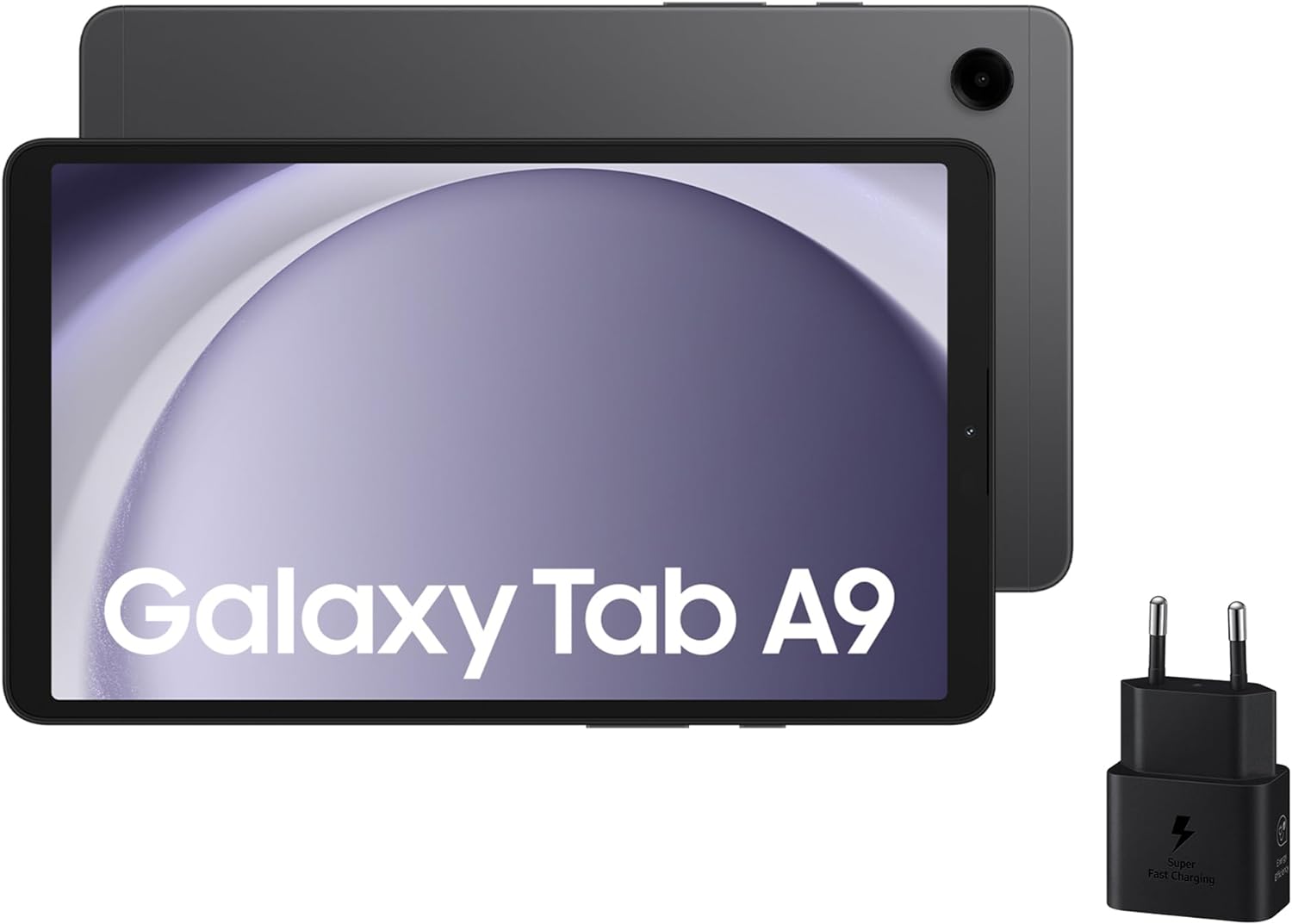
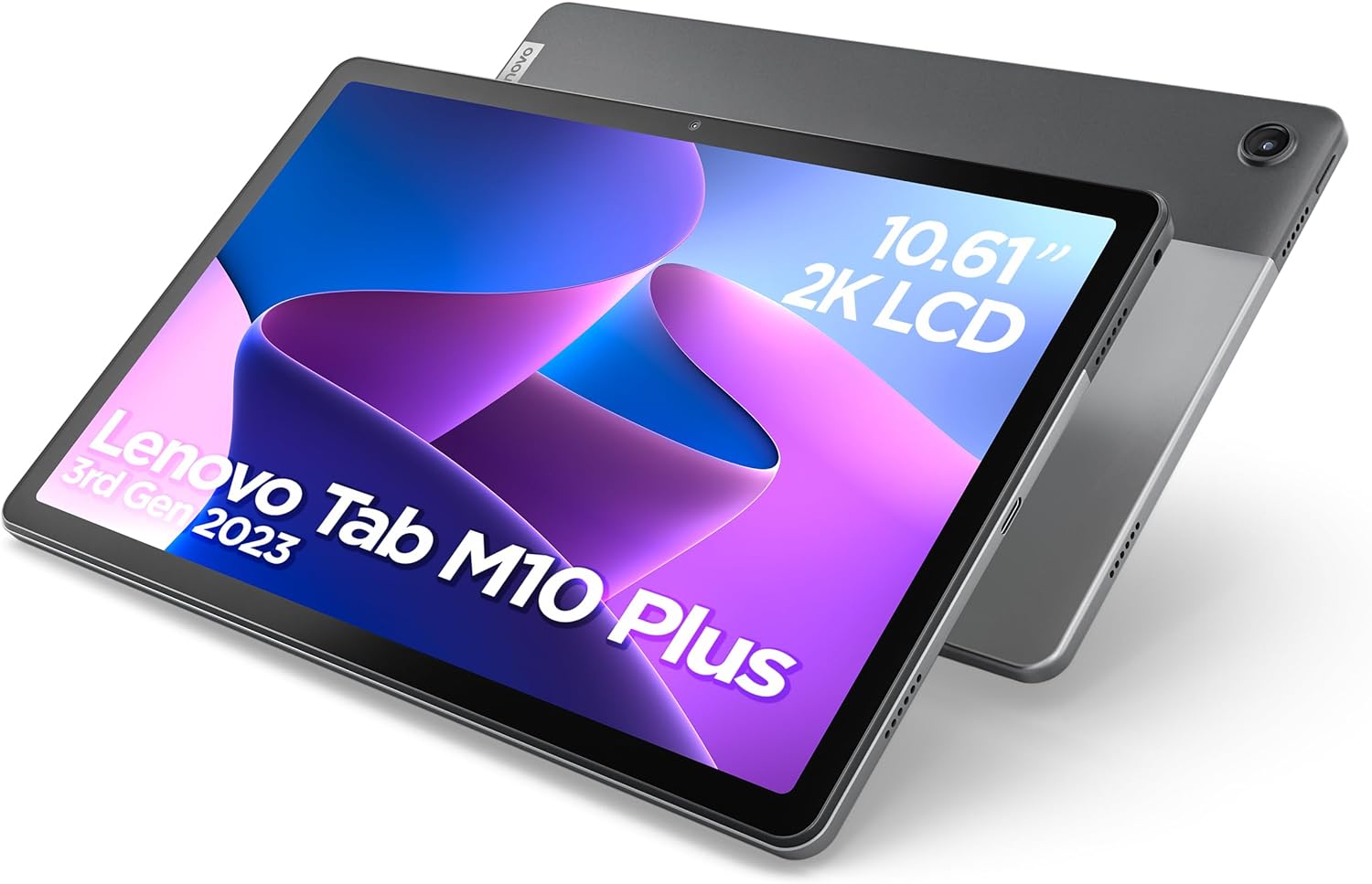
You notice the difference before you even turn them on. The Galaxy Tab A9 comes in at 8.7 inches, and it’s the kind of size that just feels convenient—fits in one hand, fits in a purse, fits in the small pocket of your backpack that you always forget exists. In contrast, the Lenovo Tab M10 Plus stretches out to 10.6 inches, and it’s definitely not trying to be discreet.
That extra screen space has its perks. Watching movies, reading PDFs, even managing split-screen apps—it all feels easier on the Lenovo’s larger 2000 x 1200 pixel IPS panel. And let’s not ignore the resolution here. That 2K display on the Lenovo shows sharper text and richer color contrasts, making it more pleasant for your eyes, especially over long sessions. The Galaxy Tab A9’s 1340 x 800 TFT LCD display, by comparison, is… okay. It gets the job done, but feels flatter and less vivid.
Of course, there’s always a catch. The Galaxy Tab A9 weighs just 332 grams, and you feel that difference the moment you hold it next to the Lenovo Tab M10 Plus, which sits at 465 grams. That’s over 130 grams of extra weight, which you will feel after holding it one-handed for a while. If portability is your main concern, it’s hard to beat Samsung’s lightweight body.
Performance and software: not a race car, but still speedy
We weren’t expecting miracles from either of these. But the Galaxy Tab A9 pulls ahead in raw speed. It’s powered by the MediaTek Helio G99, and somehow, this mid-range chip keeps things snappy. Opening apps, switching between tabs, playing videos—everything feels responsive, without that sluggish moment that often creeps in with cheaper tablets.
Meanwhile, the Lenovo Tab M10 Plus relies on a Qualcomm Snapdragon 680. It’s not terrible, but it does feel a bit more… hesitant. You open an app and wait just a beat longer. Navigate through menus, and there’s that occasional lag. Multitasking shows the difference clearly—the Galaxy feels smoother and faster overall.
Another big plus for Samsung? It ships with Android 13. And while that may seem like a small detail, software updates mean better optimization and longer support, plain and simple. Lenovo ships this model with Android 12, which already feels a little old out of the box. Maybe updates will come. Maybe not. But at launch, Samsung’s ahead of the curve.
Storage options: evenly matched with expansion to spare
This one’s easy—both tablets offer similar storage flexibility. Whether you go for the 4 GB RAM + 64 GB storage combo or the 128 GB variant, you’ll get a microSD slot that supports up to 1 TB expansion.
So go ahead and dump your Netflix downloads, your audiobooks, your five-year-old camera roll—you’ve got the room. No major differences here, and both are capable of handling everyday digital clutter.
Battery life: one lasts longer, and it’s not close

Now this is where things separate. The Lenovo Tab M10 Plus packs a huge 7700 mAh battery, and that number shows in real life. Use it for light work or binging shows, and you can get a full day and then some—around 24 hours with mixed use, or 14 hours if you’re browsing non-stop.
The Galaxy Tab A9’s 5100 mAh battery just can’t keep up. You’ll get maybe 20 hours with light tasks, and less if you push it. It’s fine for short outings or light daily use, but if you’re on the go and forget your charger, you’ll wish you had the Lenovo.
As for charging, Lenovo supports up to 20W fast charging, while Samsung caps out at 15W. That’s not a night-and-day difference, but again, Lenovo wins in both battery size and recharge speed.
Camera comparison: neither is great, but one is worse
Look, tablets aren’t exactly known for their cameras. But still, sometimes you need to snap a quick shot or hop on a Zoom call. Both tablets come with 8 MP rear cameras, and in good lighting, they’ll do the trick. No drama there.
The issue is the front-facing camera. Lenovo gives you an 8 MP sensor on the front too, while Samsung drops down to a 2 MP front camera on the Galaxy Tab A9. That’s a serious drop. If you make video calls or take selfies, the difference is immediately obvious—grainier image, worse lighting compensation, less detail.
To be fair, the Galaxy Tab A9 Plus bumps this up to match Lenovo’s 8 MP front cam, but that’s a different model entirely. On this comparison, Lenovo wins without question.
Design and color: minimalist vibes with subtle differences
Aesthetics matter, right? We’re not saying you’ll base your whole decision on color options, but hey—Samsung gives you more to choose from: graphite gray, silver, and navy blue. Lenovo sticks to a single gray tone, and that’s it. If you want something that reflects your style, Samsung gives you a little more personality.
As for form factor, both feel clean, premium, and fuss-free. The Lenovo Tab M10 Plus is thinner at 7.45 mm, while Samsung’s Tab A9 is slightly thicker at 8 mm. Not something you’ll obsess over, but it gives Lenovo a sleeker profile.
Stylus support? Don’t get your hopes up. Neither comes with a stylus, and while Lenovo works with third-party pens, Samsung’s Tab A9 doesn’t support the S Pen, which limits the creative crowd. If note-taking or sketching is on your list, Lenovo’s a safer bet.
Connectivity and features: minor details, but they add up

Wireless support isn’t dramatically different, but Samsung does use Bluetooth 5.3, whereas Lenovo is still on Bluetooth 5.0. That means better stability and range when connecting to accessories like headphones or keyboards with the Galaxy.
Neither tablet includes NFC. No surprise there. But Lenovo offers a few more sensors—like a gyroscope, a Hall sensor, and even a vibration motor (on the LTE variant). That stuff’s subtle, sure, but it adds depth to how the tablet reacts to movement and accessories.
And here’s a neat trick: Lenovo has a built-in reading mode that adjusts the display to be easier on your eyes. It’s not just a dark mode—it tweaks contrast and lighting to mimic paper. If you read eBooks or spend hours reviewing documents, this is a real perk.
Both support split-screen multitasking, and both handle it well. We tried using YouTube on one side and Gmail on the other, and neither model struggled. It’s a must-have feature these days, and thankfully, both deliver.
So… which one actually makes more sense?
Here’s where we land. The Galaxy Tab A9 is lightweight, quick, and runs the latest Android version. Its smaller screen and lower-res display make it more portable, less immersive. But when you’re just looking to get from point A to B—answering emails, browsing, a few games—it does the job.
The Lenovo Tab M10 Plus, though? It surprised us with its endurance, its display, and the front-facing camera. That 2K screen is just nicer to look at, and if you’re planning to stream, work, or spend time reading, you’ll appreciate the extra inches and the battery that keeps up.
It’s not perfect. It’s heavier, and that Snapdragon 680 chip isn’t winning any races, but for what it offers in everyday use, it feels like a more complete device.
Although now that we think about it… if you’re someone who travels often, or you hate charging your device constantly, the weight of the Lenovo might start to annoy you. But if you mostly use your tablet on the couch, the bigger display and battery make it easier to forget you’re using a “mid-range” model.
Honestly, we didn’t expect to lean this way at the start. But the Lenovo Tab M10 Plus quietly pulls ahead where it counts. It doesn’t make a fuss about it. It just works—longer, sharper, and, yeah, a little more grown-up.