


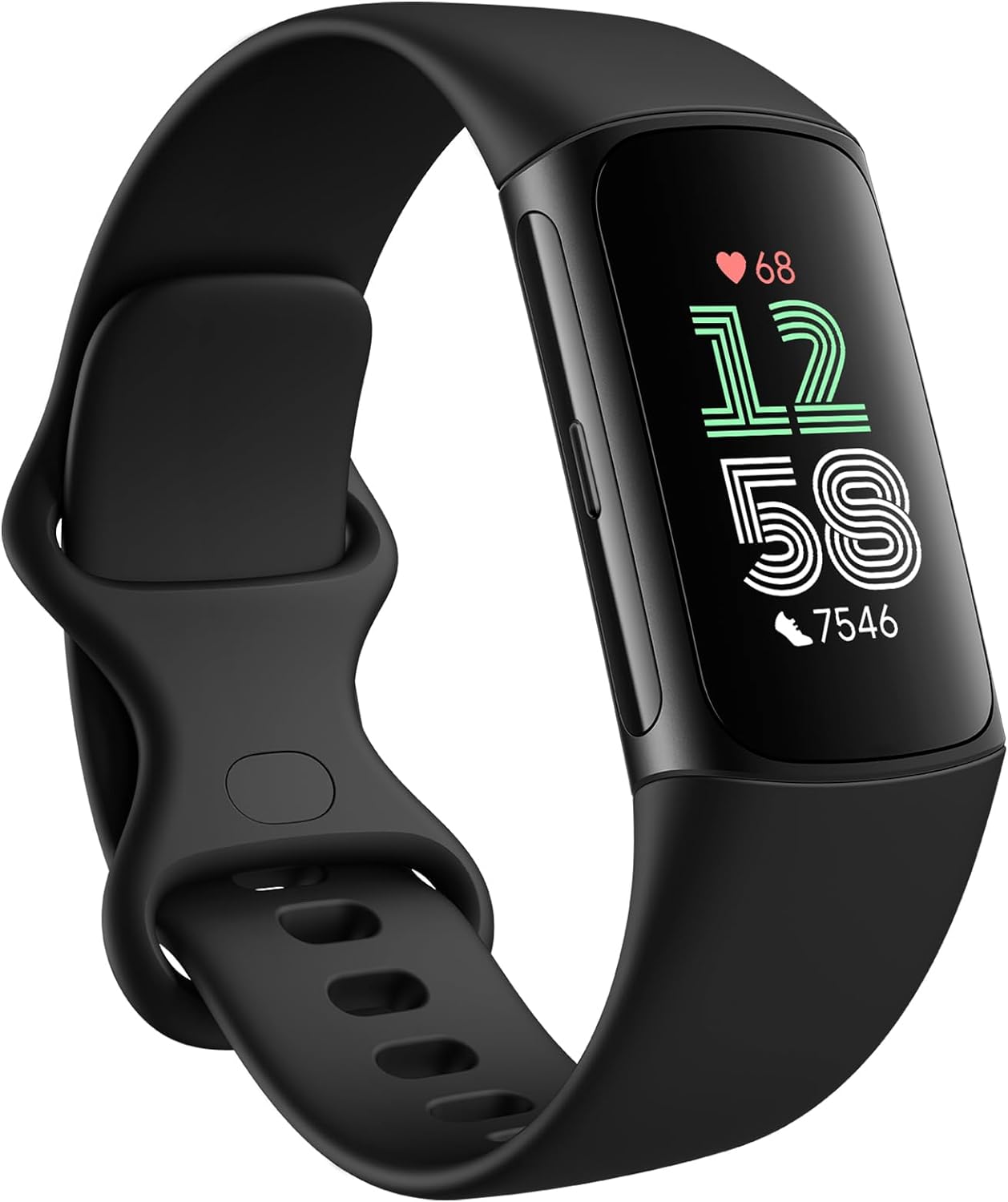
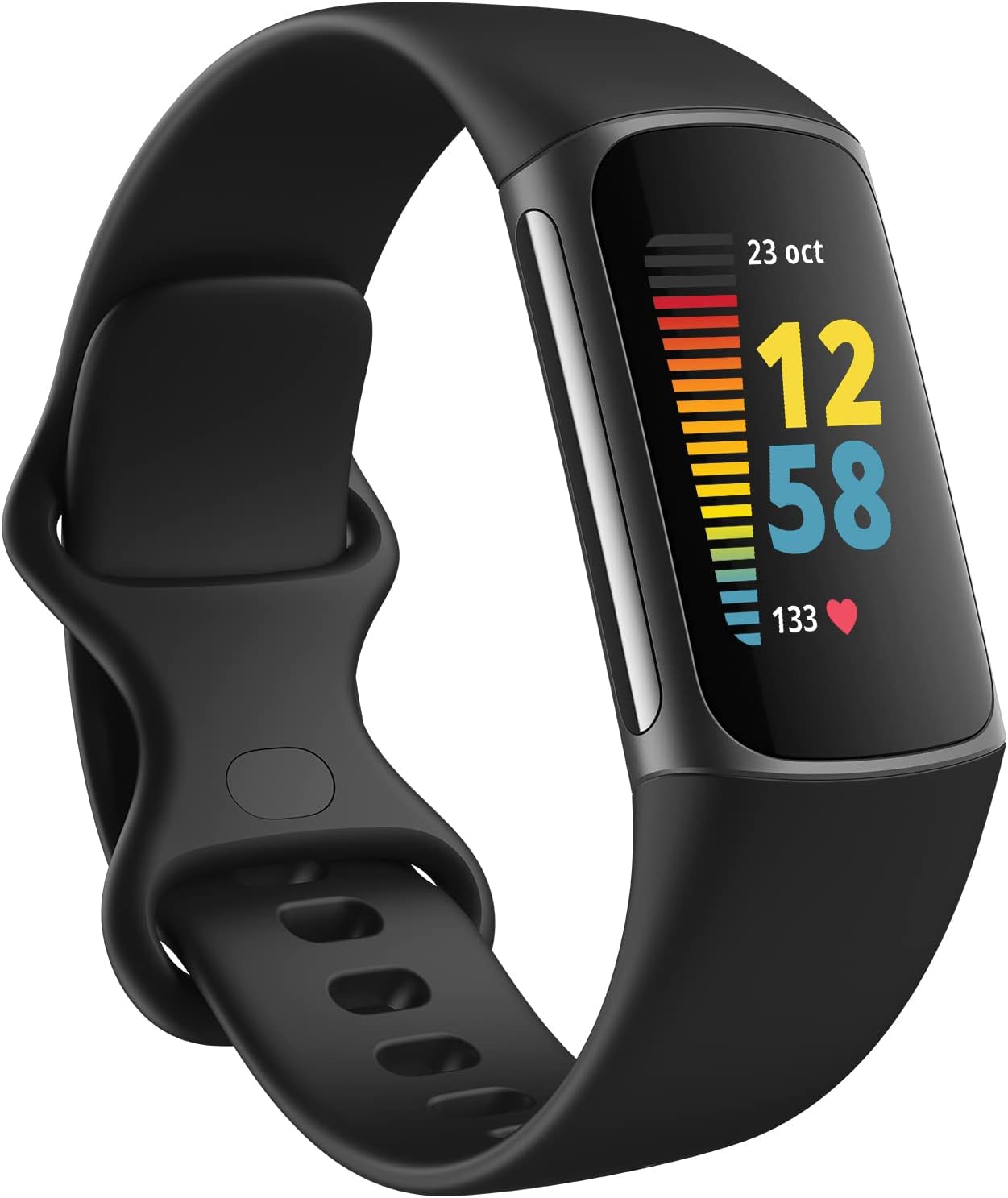
Let’s be honest—if you’ve ever worn a fitness band that looked promising but didn’t quite deliver, you probably know the feeling we had with the Fitbit Charge 5. The looks were there, the sensors were technically impressive, but day-to-day? Something always felt… unfinished. That’s why the Fitbit Charge 6 feels like a bit of a relief. It doesn’t revolutionize anything, but it quietly fixes almost everything that felt off before.
Yes, they look almost identical. Yes, the battery stats are the same on paper. But when you actually use them—when you go for a run, track your sleep, or try to pay for a coffee without pulling out your phone—the experience isn’t even close. The Charge 6 finally feels like a tracker that “gets it.” More sports, better accuracy, smoother integration with your daily routine. Let’s go step by step and break down how this upgrade reshapes what it means to wear a Fitbit every day.
A familiar shape with a heavier footprint
There’s no getting around it: these two bands look almost exactly the same. Same compact rectangle, same AMOLED screen with minimal bezels, same mix of aluminum, resin, and glass. You’d be hard-pressed to spot the difference unless you weigh them.
And oh boy, that’s where the change kicks in. The Charge 6 clocks in at 37.64 grams without the strap, while the Charge 5 is a featherweight at 28 grams. It doesn’t sound like much, but a 34% weight increase is no small thing when it’s strapped to your wrist 24/7. During a HIIT session or while you’re trying to sleep, that extra heft is impossible to ignore at first.
Now, that added weight isn’t random. It houses improved internals and enables the better performance we’ll get into later. But we can’t pretend it’s invisible. If you have smaller wrists or just love ultra-light gear, this might be a tough adjustment. It’s not uncomfortable, but it’s no longer “barely there,” either.
Battery life that finally meets expectations
Here’s the thing: both models promise “up to 7 days” of battery life. That’s the spec. But in reality? The Charge 5 often fizzled out after just 3 or 4 days when you kept GPS on or had notifications running.
With the Charge 6, you still get the same-sized battery, but smarter power management changes the game. It consistently reaches closer to the 7-day mark, even with active tracking and alerts turned on. Not perfectly, but close enough that you stop thinking about charging it all the time.
There’s no new charging system or faster speed—you’re still using Fitbit’s proprietary magnetic cable, with the same quirks as before—but at least now you get more peace of mind from each charge.
Same sensors, new brain
At a glance, the sensor list is a match. Optical heart rate monitor, ECG, SpO2, EDA, built-in GPS with GLONASS, accelerometer, ambient light sensor—both bands have them all. But performance? That’s a whole other story.
The Charge 5 had a reputation for dodgy heart rate tracking, especially during high-intensity workouts or quick transitions. Those unexplained spikes and drops made it hard to trust your data, and it threw off calorie counts, training zones, everything.
The Charge 6 tackles this directly. It introduces a new heart rate algorithm and improved signal processing, making readings far more consistent under strain. During interval sessions or strength training, the Charge 6 holds its signal better and avoids the jittery data jumps that plagued the 5.
It’s not about throwing in new sensors just to tick boxes. It’s about making the ones already there work the way they always should have.
A fitness tracker that speaks your language
This is where things start to open up. If you felt boxed in by the Charge 5’s limited workout options, you’re not alone. That device offered just over 20 sport modes, enough for the basics but nothing more.
The Charge 6 more than doubles that, with over 40 activity modes available, including things like CrossFit, skiing, HIIT, rowing, and even surfing. And we’re not talking generic tracking—each profile is tuned with specific metrics that give you more meaningful results for that activity.
So if you’re not just a runner or cyclist, this shift finally makes the Charge feel like a legit training companion. It adapts to your routine instead of forcing you into a narrow fitness mold. It’s the difference between “this tracks steps” and “this understands what I actually do.”
Google finally steps in—and it shows
Let’s be blunt: this is the first Charge that doesn’t feel like it’s pretending not to be part of Google. And that’s a good thing.
The Charge 6 brings Google Maps turn-by-turn directions to your wrist. It’s a subtle addition that makes a huge difference when you’re out on a walk or run in an unfamiliar place. Then there’s YouTube Music control, which isn’t full streaming but does let you change tracks and adjust volume mid-workout—way more convenient than reaching for your phone with sweaty hands.
And yes, Google Wallet replaces Fitbit Pay, and it works better. More banks, smoother transactions, less friction. It just feels like this is how it should’ve worked all along. Android users especially will feel this integration—it’s seamless and makes the band feel like part of your tech setup, not just an accessory off to the side.
The Charge 5 misses all of this. No maps, no music, no wallet upgrade. It’s stuck in its own ecosystem, while the 6 branches out.
Still the same screen, and still easy on the eyes
Not everything changed, and in this case, that’s okay. The Charge 6 keeps the same 1.04-inch AMOLED display as the Charge 5, with the same resolution and clarity. It’s bright, colorful, and sharp enough to make text and graphs readable, even during a sunny jog.
There’s no bump in refresh rate, and no new always-on display modes, but what’s there works just fine. Fitbit didn’t fix what wasn’t broken—and that’s one place we’re not complaining.
A device that finally feels finished

You can sense it in the little things. The Charge 6 isn’t a beta test anymore. It’s the product the Charge 5 probably should have been all along.
Everything feels tighter, more responsive. The menus scroll more smoothly, touch sensitivity feels better, and syncing with the app is quicker and more reliable. Those minor frustrations—the swipe lag, the random disconnects, the missed vibrations—they’re gone or much less frequent.
Both trackers are water resistant up to 5 ATM, and both work with Android and iOS, though Google users definitely get the better experience with the Charge 6. There’s NFC on both, but now it actually feels useful instead of awkward.
And most importantly, you finally feel like your band is working with you, not just tracking you.
When a small update changes everything
We’ll be honest—we went into this comparison expecting the Charge 6 to be a minor refresh. After all, the outside is the same, the screen is the same, and the battery numbers haven’t changed. But the deeper we got into using it, the more we realized: this is the kind of upgrade that matters when you live with the device every day.
The heart rate improvements alone fix one of the biggest flaws in the Charge 5. Add to that the huge leap in workout support and Google services that genuinely make life easier, and it starts to feel like something you can rely on.
Sure, it’s heavier. That’s the tradeoff. But it’s also smarter, more stable, and far more useful in the real world.
For those of you still using the Charge 5? It’s time. This isn’t just a spec bump. The Charge 6 corrects what the 5 got wrong and finally turns the Charge line into a complete fitness companion. If you’re choosing between the two, this isn’t a toss-up.
We wouldn’t even call it a comparison anymore.