


There’s a moment on every ride—usually halfway up a long hill or deep into an unfamiliar route—when you glance at your handlebars and hope your tech knows what it’s doing. You’re counting on it to track every pedal stroke, warn you of what’s coming, and help you make the most of your time in the saddle. And that’s exactly the moment you realize whether your cycling computer is holding you back—or pushing you further.
The Garmin Edge Explore was already a favorite for cyclists who wanted simplicity, reliable navigation, and a screen big enough to read at a glance. But now there’s the Garmin Edge Explore 2, and it comes with a promise: same ease of use, but with smarter sensors, longer rides, and deeper insights.
We’ve ridden with both. We’ve tested them in rain, heat, on gravel, and in traffic. And while at first they seem like siblings with matching outfits, it turns out they think very differently once you get rolling. Let’s see just how much Garmin has changed—and whether it matters for the way you ride.
At first glance, you’d swear they were twins

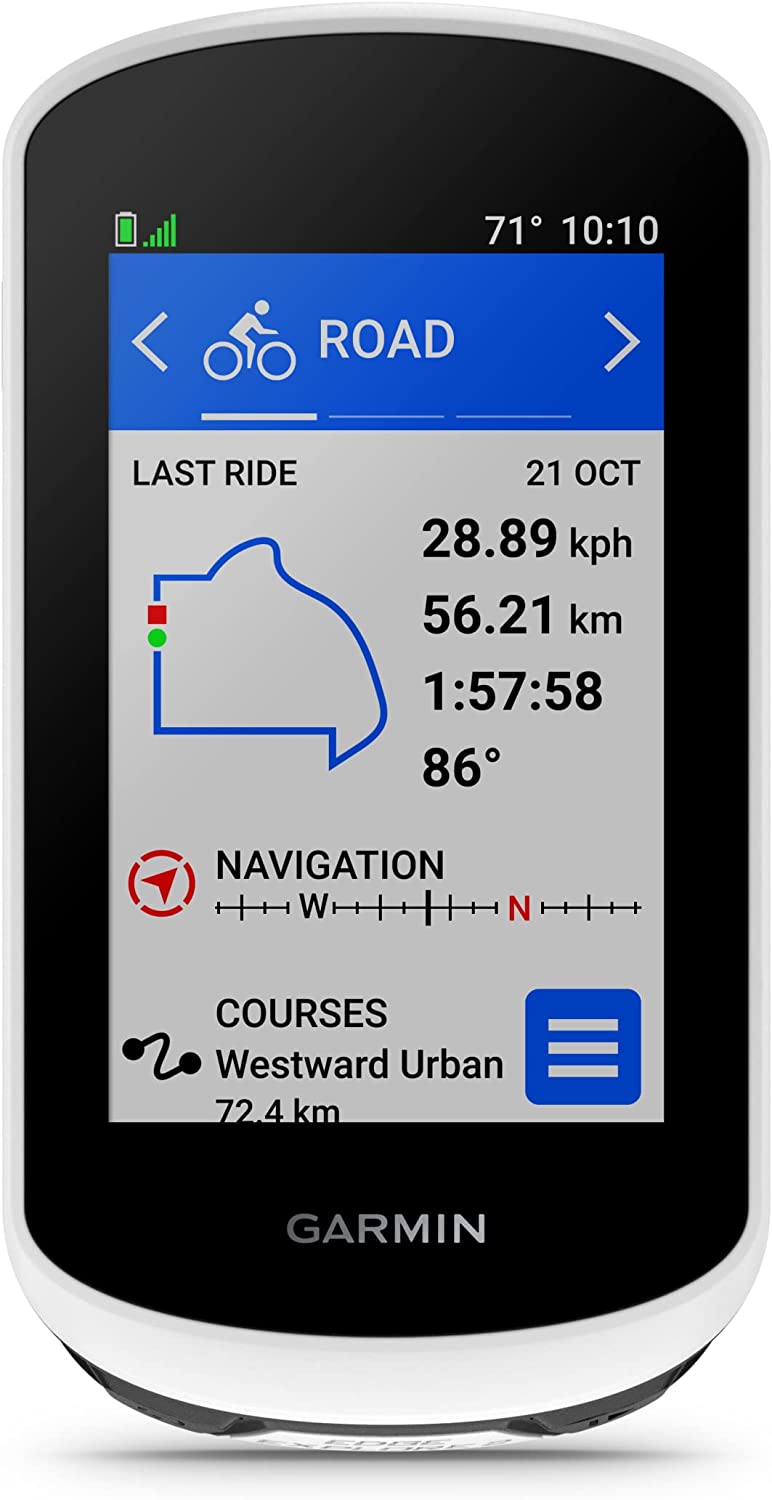
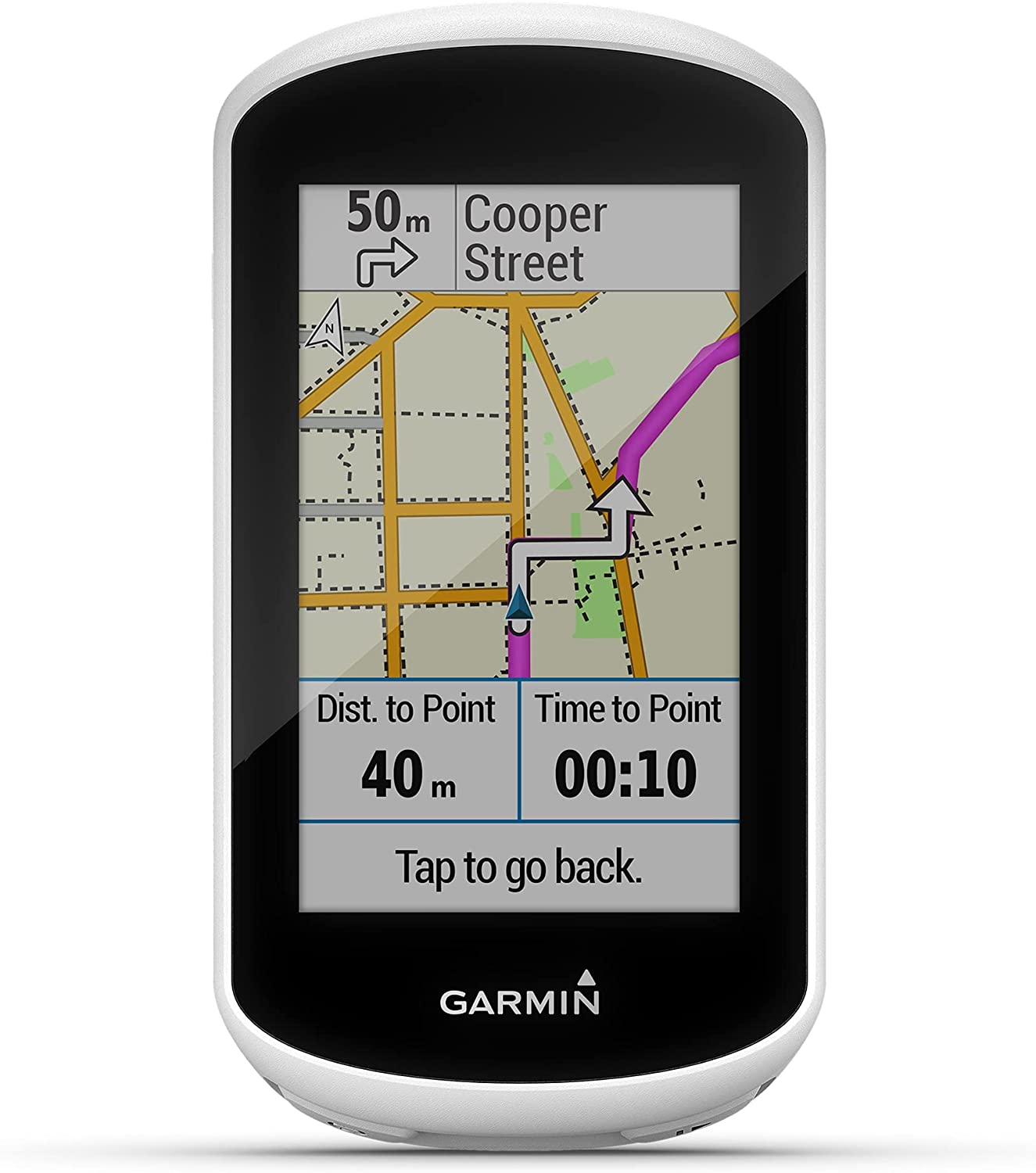
Put the Edge Explore and the Explore 2 side by side, and good luck spotting the difference. Both have a clean white frame surrounding a 3-inch color touchscreen, with 240 × 400 pixel resolution, a minimal bezel, and the familiar Garmin logo below the screen.
In terms of size, they’re nearly identical. Just over 1 mm separates them in dimension, and the newer model is slightly lighter—104 grams for the Explore 2 vs 116 grams on the original. It’s a small shift, but it’s noticeable when you’re going ultra-light on your build.
Both are built tough. They’re designed to resist vibration, handle bad weather, and survive minor crashes. The touchscreen works well even with gloves or damp fingers, which is exactly what you need mid-ride, not some fussy touchpad that gives up in the rain.
So visually and physically? No reason to upgrade here. They both deliver a clean, simple experience on the handlebars. It’s what’s inside that shakes things up.
Same waterproof rating, equal toughness
Let’s get this one out of the way early. Both devices are rated IPX7, meaning they can survive being submerged in up to one meter of water for 30 minutes. That’s more than enough for rainstorms, splashes, or even the occasional drop into a puddle if your mount fails.
You can take either one out in stormy conditions without a second thought. Neither one is more “weatherproof” than the other—they’re built with the same level of resilience.
So if you’re hoping the Explore 2 is more rugged, it’s not. It’s just as solid—but not more.
Battery life: the margin that changes long rides
Here’s where things start to matter. The original Edge Explore gives you up to 12 hours of battery life on a full charge. The Explore 2 stretches that to 16 hours—a 25% improvement. And while that doesn’t sound wild, four extra hours can make a real difference.
If you’re doing back-to-back rides on a weekend trip or just hate charging gear constantly, those four hours mean fewer interruptions and more freedom. Plus, both models offer battery saver modes to help extend runtime when needed, but again, the Explore 2 pulls ahead in standard usage.
It’s not just about time—it’s about trust. You can start a 100-mile ride with the Explore 2 and not think twice. With the original, you’re probably eyeing the battery bar before the second rest stop.
Sensors: this is where the Explore 2 becomes a different beast
The original Edge Explore was always simple. It came with basic GPS and an accelerometer—enough for tracking distance and speed, but not much else.
The Explore 2 brings GLONASS and Galileo support into the mix. That means faster satellite locks, better accuracy in dense areas, and improved tracking in forests or cities. But more importantly, it adds a barometric altimeter—and that’s the game-changer.
With the barometric altimeter, you’re finally getting precise elevation data. Climbs, descents, elevation gain—it’s no longer a rough estimate. You get real numbers, and that unlocks features the original can’t touch.
ClimbPro becomes available on the Explore 2, giving you real-time updates on upcoming hills: how steep, how long, how far until the top. It’s a massive help on unfamiliar routes and adds serious value if you train in varied terrain.
So this isn’t just a small upgrade. This is the line between recreational tracking and serious ride analysis.
Navigation features: mostly similar, with a twist
Both models offer Garmin’s excellent cycling-specific maps. They help you find bike-friendly routes, avoid dangerous roads, and provide turn-by-turn directions with rerouting if you miss a turn.
That hasn’t changed between models. You’re still getting reliable, clear navigation with automatic route generation based on your preferences. And both support Garmin’s Varia line of smart accessories, including radar and lights.
But again, the Explore 2 builds on this with those smarter sensors. ClimbPro doesn’t just show elevation—it integrates with the route. You’ll see where climbs start and end, which helps with pacing. That’s not available on the original Explore.
And for eBike riders? Only the Explore 2 supports eBike integration, showing battery levels, estimated range, assist mode, and more when connected to a compatible bike. That’s a huge plus if you’re on electric wheels and want to avoid range anxiety.
Smart features: staying connected while you ride
Both models do a solid job of keeping you connected. They offer smartphone notifications, LiveTrack, incident detection, and weather alerts. You’ll see incoming calls, texts, and alerts on the screen without digging for your phone.
Where the Explore 2 gets smarter is in its integration with Garmin smartwatches. That means if you wear a Forerunner, Instinct, or Venu, you can sync data like heart rate, stress, sleep, and intensity minutes across devices.
That sounds small, but it makes a big difference if you’re tracking training load or just want everything in one place. The Explore 2 becomes part of a wider fitness ecosystem. The original Explore? It keeps to itself.
And yes, the Explore 2 adds intensity minutes as a metric, giving you better insight into how hard you’re riding and how it contributes to your weekly goals.
Memory and interface: no learning curve
Here’s a relief—both models come with 16 GB of internal storage, which is plenty for maps, routes, and recorded rides. You can save up to 100 custom routes, and both make it easy to preload your favorites before a trip.
The touch interface is intuitive on both. Swiping through data fields, zooming on maps, changing ride profiles—it’s all fluid and beginner-friendly. The Explore 2 has a slightly updated UI, but nothing that changes how you interact with the device.
In short, if you’re used to the original Explore, the Explore 2 feels instantly familiar—just a little smoother around the edges.
Device pairing and app sync: smooth on both, better on one
Both units support Bluetooth and ANT+ for pairing with sensors like heart rate straps, cadence sensors, and power meters. No difference here.
Both also sync with Garmin Connect, where you can plan routes, review rides, and manage device settings. It’s the same companion app experience either way.
But again, only the Explore 2 plays nice with Garmin smartwatches, giving it an edge in ecosystem integration. If you’re already deep into Garmin’s gear, this one fits right in—no extra syncing apps or weird workarounds.
Conclusion: Explore 2 wins where it matters
So, here’s the thing: the Garmin Edge Explore still does its job. If you’re a casual rider who just wants GPS tracking, basic navigation, and a big, easy-to-read screen, it’ll keep you happy.
But if you’re serious about riding more, riding longer, or understanding your performance? The Garmin Edge Explore 2 is the better tool—full stop.
The added satellite systems give faster, more accurate positioning. The altimeter unlocks ClimbPro. The longer battery means less planning. And the smartwatch integration? That pulls it all together. It’s not flashier. It just works smarter.
What surprised us most was how invisible the improvements feel—until you really need them. You don’t notice ClimbPro until you’re deep into a climb. You don’t care about the extra battery—until you forget your charger and still make it home.
So if you’re choosing between the two? Go with the Explore 2. Not because the original failed. But because this one gets the little things right—so your ride doesn’t miss a beat.