

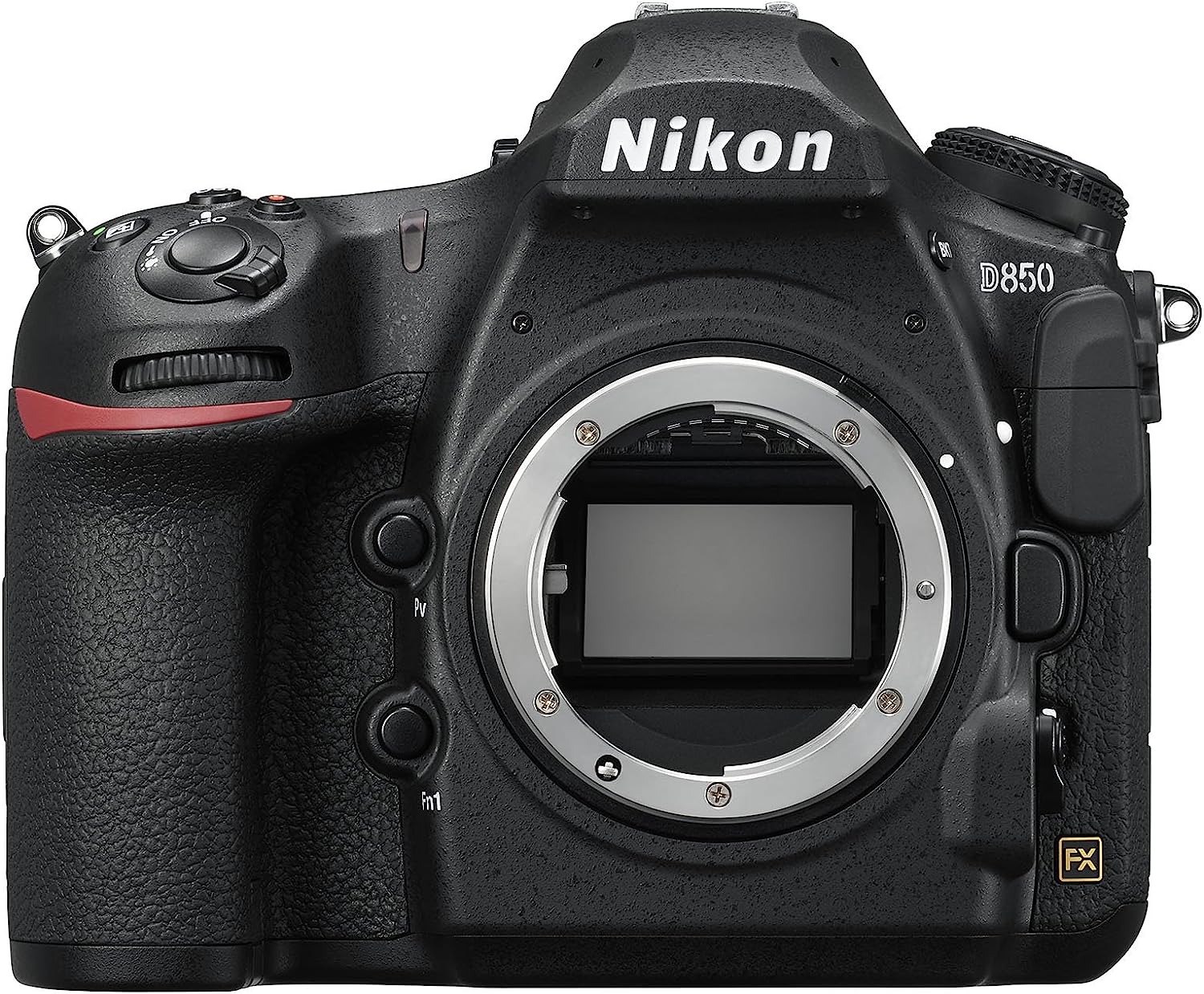

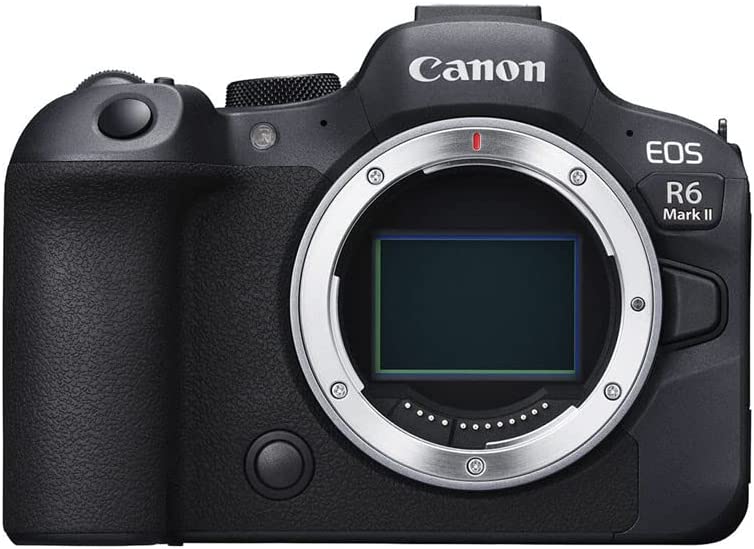

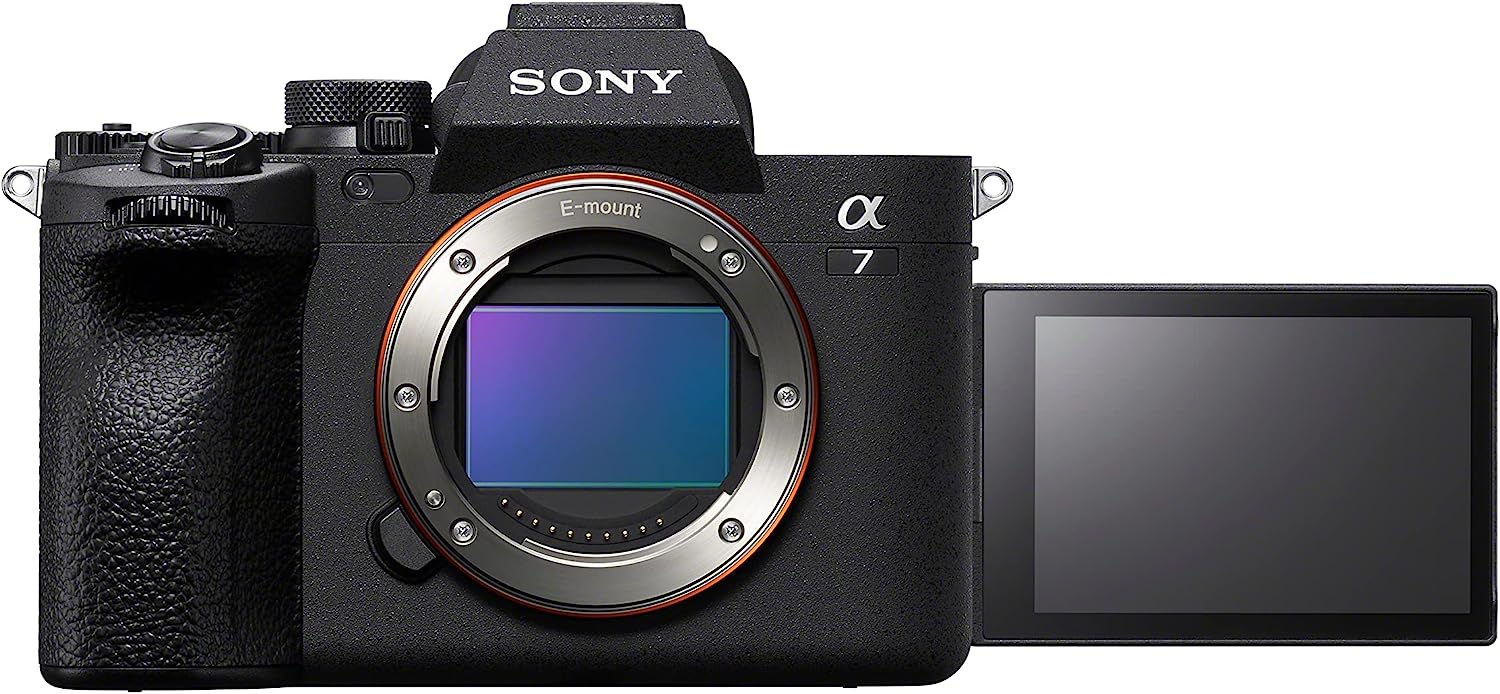
There’s something a little intimidating about walking into a camera store and facing that never-ending shelf of DSLRs and mirrorless bodies. Everything looks sleek, professional, and expensive—and if you’re like most of us, you’re probably wondering if you’re about to fall into a rabbit hole of spec sheets and marketing buzzwords. Sony, Canon, Nikon… the big three. But which one actually makes sense for the way you shoot?
We’ve handled all three over the years. From long hikes with a DSLR slung over the shoulder, to wedding gigs juggling two mirrorless bodies, to quiet afternoons editing color profiles that didn’t quite land straight out of the camera—we’ve been there. And let us tell you right now: these brands may share shelf space, but they play very different games.
Let’s break it all down, not just with numbers, but with the experience that comes from using them when it counts—out in the field, when the battery’s dying and the light is perfect and you’ve got ten seconds to make a decision.
The interface matters more than you think

Menus. Buttons. Dials. You’d be shocked how fast a good interface becomes a lifeline—and how fast a bad one gets in your way. Canon and Nikon still lead here, hands down. Canon’s menu logic feels like someone actually tested it with humans. You get colors, clear categories, no surprises. Nikon adds a bonus with in-menu descriptions that explain what each setting does—seriously helpful for beginners.
Sony, on the other hand, has a history of burying features three submenus deep. It’s not unusable, and they’ve improved on newer models—but the early damage was done. We still meet folks who avoid switching modes just because they’re afraid of getting lost. If you’re comfortable tinkering, you’ll adapt. But if you want plug-and-play clarity? Sony still feels like homework.
Sensor performance: who sees the most in the dark?
This one’s kind of ironic. Sony not only builds its own sensors—they also supply Nikon. So it shouldn’t be surprising that both brands consistently outperform Canon when it comes to raw dynamic range and low-light ISO performance.
You’ll feel that edge when shooting indoors without flash, or trying to recover blown highlights and crushed shadows in post. That extra wiggle room matters, especially for landscape and event shooters.
Canon’s not bad—they’ve made progress—but the gap still exists, especially in the mid-range models. If image flexibility in post is a priority, Nikon and Sony are the safer bets.
Color science: what you see vs. what you get
Now we’re stepping into subjective territory. Canon is legendary for warm, natural tones—especially on skin. That’s why you’ll find so many Canon bodies at weddings and portrait shoots. You take the shot, and boom—people look alive.
Sony and Nikon lean cooler. Some people call it clinical. Others love it for the flexibility. Sony files, especially, have a greenish tint out of camera that can turn off casual users—but with a bit of editing, you can make them sing.
That said, editing software today makes it easy to adjust profiles, so don’t let this be a dealbreaker. But if you want the straight-out-of-camera look to feel polished without work? Canon still wins that first impression.
Lenses: legacy vs. speed
Here’s where brand history really plays a role. Canon and Nikon have been in the lens game forever. Their DSLR ecosystems are massive. Whether you need tilt-shift, macro, fisheye, or just a reliable walkaround zoom, you’ll find something—and probably on the secondhand market too.
Sony was late to the party. But in the mirrorless race? They sprinted. What started as a small, limited catalog has exploded into a wide (and expensive) array of pro-level E-mount lenses. They also teamed up with Zeiss, giving their lineup a sharpness and contrast that’s hard to beat.
For mirrorless shooters, the playing field is now surprisingly even. But if you’re still using—or considering—DSLRs? Canon and Nikon are the clear winners in lens availability.
Who owns the market—and why it matters
You might think market share is just a bragging right, but it shapes your experience too. Canon dominates globally. That means more forums, more tutorials, more people with gear you can borrow in a pinch. Nikon is right behind. Sony’s community is growing fast, but it still has blind spots depending on where you live.
Buying into a system also means buying into a culture—and Canon’s is the most accessible. Nikon’s user base leans technical and loyal. Sony’s crowd? Younger, video-focused, and more experimental. That doesn’t make one better. But it does shape how easily you’ll find help, inspiration, or deals.
Video: where Sony just doesn’t play fair
This one’s not even close. Sony crushes video. Always has. From the early A7S models to the Alpha 7 IV and FX series, Sony’s mirrorless bodies offer internal 4K, high bitrates, crisp codecs, and—most importantly—top-tier autofocus during recording.
Canon comes next. Dual Pixel AF is no joke. Smooth transitions, minimal hunting—it feels cinematic without trying. But Canon has a frustrating habit of limiting features in mid-range models. Want full-frame 4K without overheating or cropping? You’re often paying extra for it.
Nikon’s finally catching up, with better codecs and raw video options on select models—but it still feels like an afterthought in many bodies. If video is more than just a side gig for you, Sony’s your ticket.
Build quality: who’s built for rough weather?
If you’re heading out into the rain, the sand, the cold—you care about this. Nikon builds tanks. Their pro DSLRs are famously tough, with magnesium alloy bodies and weather-sealing that feels confident.
Canon is close behind. A little lighter, sometimes sleeker—but their L-series lenses and flagship bodies hold up under pressure.
Sony’s earlier mirrorless bodies felt fragile. The grip was shallow, the ports wobbled, and weather sealing felt like a rumor. But recent models have stepped up. Better grips, tougher construction, reinforced screens. Still, when we’re heading into the wild, Nikon gives the most peace of mind.
Autofocus: who sees the shot before you do?
Once again, Sony’s AI-driven autofocus system is out in front. Real-Time Eye AF. Animal Eye AF. Bird Eye AF. It tracks subjects like it’s cheating. That’s not just cool—it’s useful when the moment only lasts a split second.
Canon’s Dual Pixel AF is buttery and accurate, especially for video and face tracking. It’s intuitive. Smooth. Reliable.
Nikon, while excellent for stills, still lags in motion. Their Z-series bodies have improved AF a lot, but continuous tracking in fast action still feels a half step behind. If you’re shooting fast-paced sports or wildlife, Sony gives you confidence that your subject will stay sharp.
Mirrorless: not the future—it’s the now

Sony dove headfirst into mirrorless before anyone else blinked. They built the system from the ground up, and now their E-mount lineup is the most mature, especially in full-frame. They’ve got bodies for every level, and the third-party support is exploding.
Canon and Nikon joined later but are catching up fast. Canon’s R series is impressive, with strong ergonomics and smart tech. Nikon’s Z series has excellent lenses and growing body options, but the pace feels slower.
Still, Sony’s head start matters. More lenses, more adapters, more pro-grade bodies already on the market. If you want to go mirrorless today and not wait for the ecosystem to “get there,” Sony’s where it’s already happening.
Learning curve and documentation: clarity counts
Nikon wins this quietly. Their manuals are clear, their interface is readable, and even the help button on some models is gold. Canon’s right there too—clean, logical, and newbie-friendly.
Sony? Well… It’s still a little dense. The language feels more “engineer” than “photographer.” You’ll figure it out, especially with all the YouTube tutorials out there, but it can be a bit of a maze early on.
Accessories and third-party support
It’s a simple numbers game. Canon and Nikon dominate in accessories. Flashes, cages, triggers, adapters—you name it, there’s probably ten versions of it. Sony’s catching up, especially for video rigs and mirrorless gear, but some items cost more or require a bit of hunting.
If you like modding, customizing, or building a full kit around your camera, Canon and Nikon give you more options—and often cheaper ones.
So where do we land?
Here’s the deal: if we’re talking cutting-edge tech, video power, and autofocus wizardry—Sony leads. No contest. It’s the Swiss Army knife of camera systems. You get everything: top sensors, deep video features, elite mirrorless performance. If you want to do both photo and video and never feel limited? Sony is it.
Canon is still the easiest to use. The color science makes people look great, the menus are straightforward, and the lens options are vast. If you care about portraits, events, or just want a camera that works without drama, Canon feels familiar and friendly.
Nikon is for those who care about image quality, build, and clarity—without a lot of fuss. Their sensors are gorgeous, their bodies feel professional, and the experience is solid from top to bottom. You may not get the most flash, but you get deep, dependable tools.
So who wins? Depends what you want. But if we had to bet on the one brand pushing hardest into the future—it’s Sony. No question.