


Let’s face it—choosing an electric toothbrush used to be easy. Now? Not so much. Between app connectivity, pressure sensors, travel cases, and five different brush modes, it’s easy to feel like you’re shopping for a new smartphone instead of a tool to clean your teeth. That’s where Oral-B’s Smart series comes in: three mid-range brushes—Smart 4, Smart 5, and Smart 6—that sit between the bare-bones models and the space-age iO lineup.
We’ve lived with all three of these brushes. We’ve used the apps, packed them in suitcases, tried every mode they offer. And yes, while they may look similar on the surface, each one feels like a very different experience when you’re holding it in front of the mirror at 7 a.m. If you’re stuck between the three, this breakdown will help you figure out which one actually fits your routine.
The design story: clean, classic, and (mostly) white

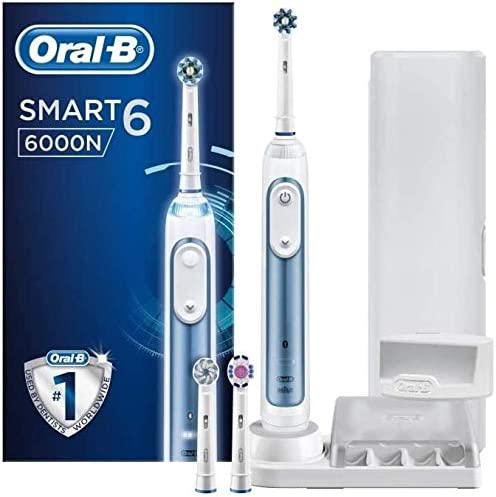
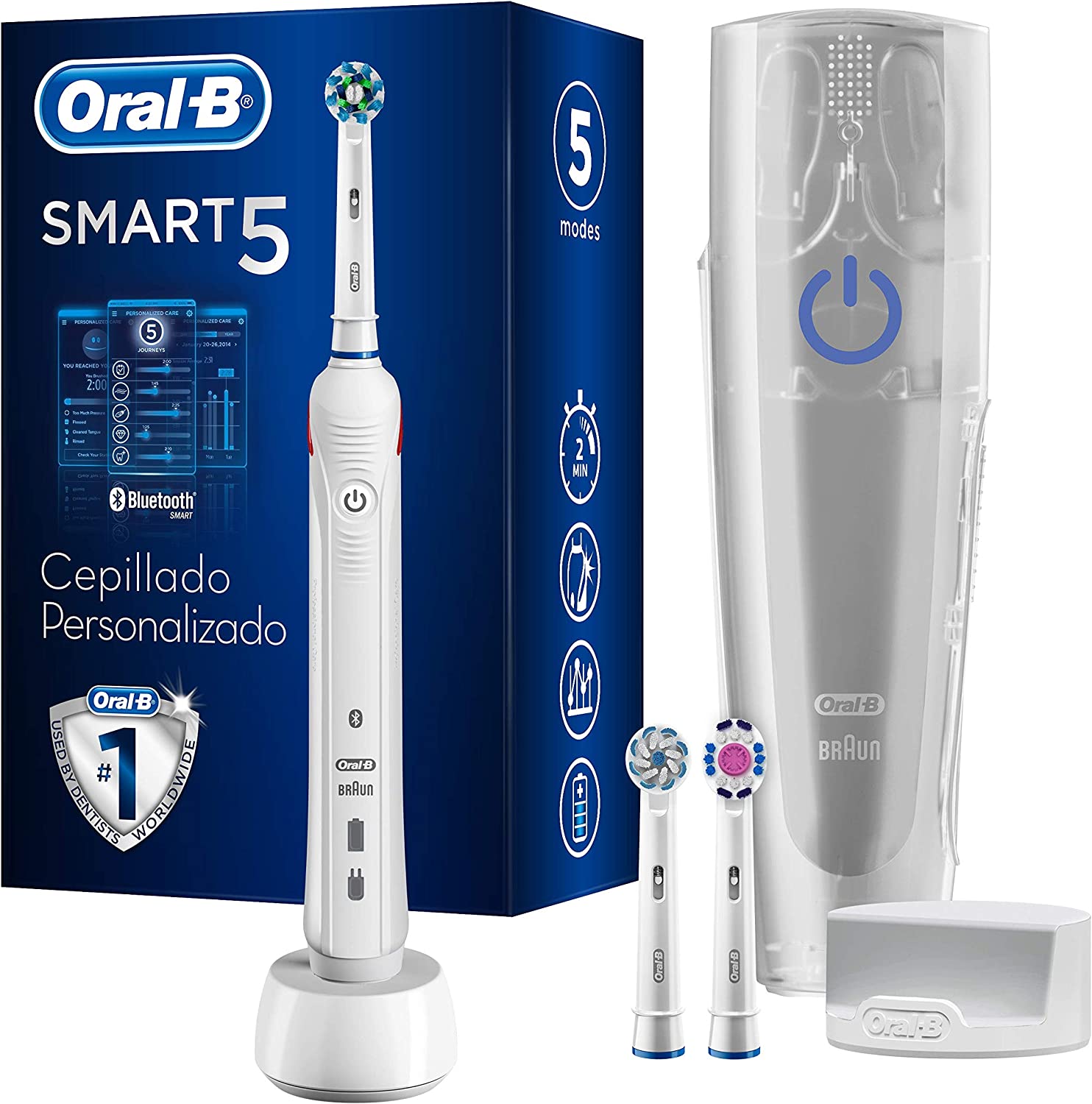
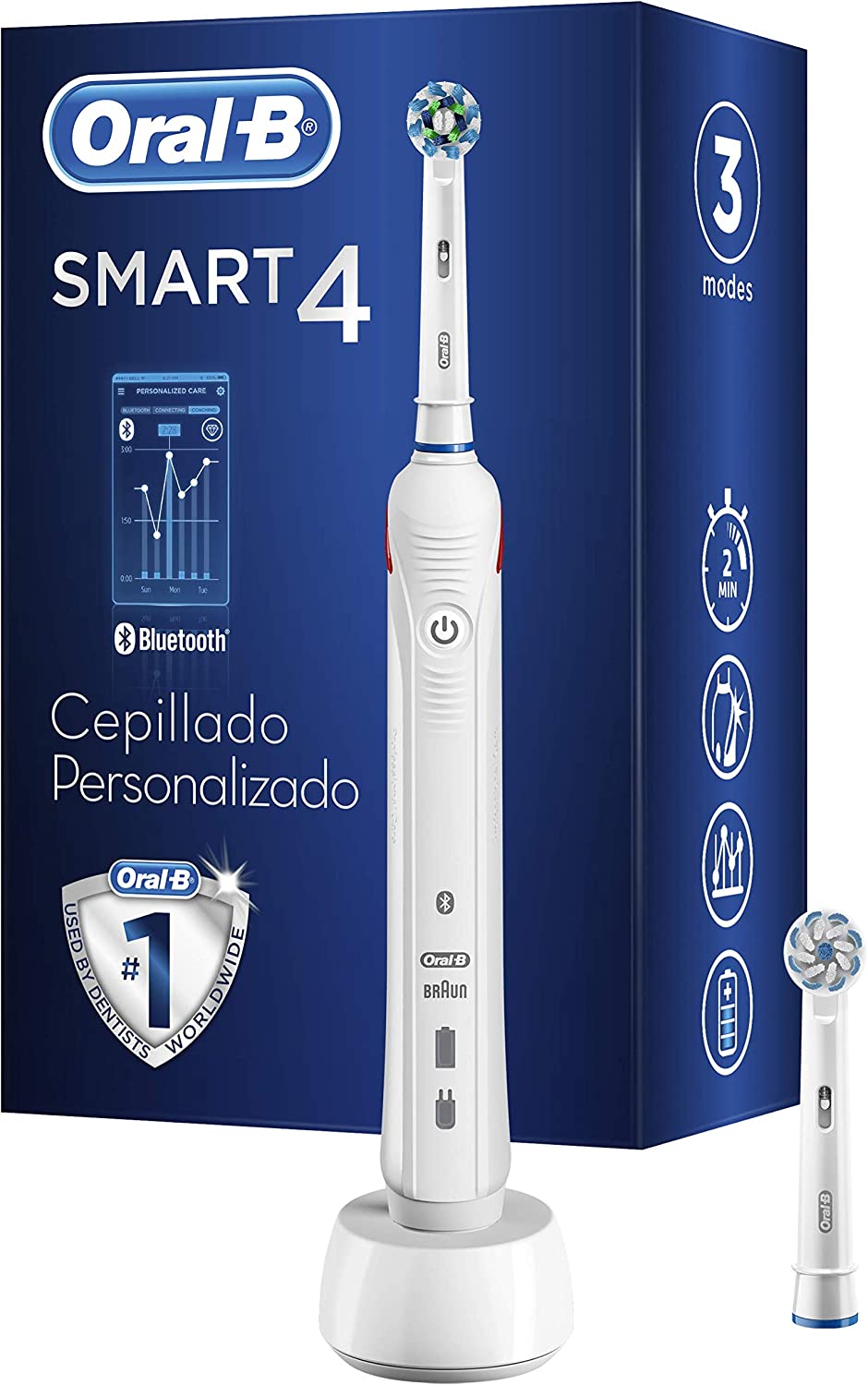
If you lined up all three brushes without the box, you might not be able to tell them apart. The shape, size, and button layout are practically identical, with a single round button and a slim LED light below to show battery and pressure status. It’s all familiar and user-friendly, especially if you’ve used an Oral-B before.
That said, the Smart 6 gets a small edge in looks. It’s the only one with a bit of visual flair, thanks to its two-tone white and blue color scheme. It’s subtle, but it’s there. The Smart 4 and 5 stick to plain white, which isn’t bad—it just feels a little more generic.
All three come with Cross Action brush heads, known for their angled bristles that do a solid job getting between teeth. But there’s a bonus: Smart 5 and Smart 6 both ship with three brush heads, while Smart 4 only includes two.
So if you’re the type who hates realizing you’re out of replacements, the extra heads with the upper models are an easy win.
Battery life: no surprises here
Good news: battery performance is identical across the board. You’ll get up to 14 days of brushing on a full charge, assuming you brush twice a day for two minutes. Charging is done via a standard Oral-B base and takes about 8 to 12 hours depending on how drained it is.
There’s no fast-charging or USB nonsense here—it’s old-school plug-and-wait. But it works, and it’s predictable. You can even leave it on the base full-time without damaging the battery.
No real winner in this category—they’re all equal.
Brushing modes: the first real difference
Now we’re getting to the good stuff. If brushing modes matter to you, this is where the line splits:
-
Smart 4 offers just 3 modes: Daily Clean, Whitening, and Sensitive.
-
Smart 5 and Smart 6 both give you 5: adding Gum Care and Pro-Clean to the list.
Gum Care delivers gentler pulses, great for people with sensitive gums, while Pro-Clean amps things up with a more intense oscillation pattern for a deeper scrub.
If you just want a clean mouth without toggling through settings, the Smart 4 is totally fine. But if you like to tailor your brushing experience or have specific needs—bleeding gums, plaque build-up, sensitivity—the extra modes on the 5 and 6 are genuinely useful.
And here’s a bonus: the Smart 5 and Smart 6 have slightly higher oscillation and pulsation rates, which isn’t listed on the box but becomes noticeable if you use them side-by-side. They feel more powerful. More “zippy.”
Pressure sensor: smarter protection, smarter design

All three models protect your gums with a built-in pressure sensor that alerts you if you’re brushing too hard. That’s huge. Most people don’t realize how common overbrushing is—and how much damage it causes.
But only the Smart 6 gives you a visual alert via the SmartRing, an LED ring around the top of the handle that lights up red when you press too hard. It’s intuitive and instant. The Smart 5 and Smart 4 rely on vibration patterns or app notifications, which work—but they’re easier to miss mid-brush.
If you’re a visual person, or brushing with a mirror, that SmartRing is a big upgrade in feedback.
App and Bluetooth: more feedback, same experience
All three brushes connect to the Oral-B app via Bluetooth, and here, the experience is virtually identical. Once paired, the app tracks:
-
Brushing time and duration
-
Pressure data
-
Quadrant timing
-
Frequency and streaks
You’ll get tips, goals, and reminders based on your performance. It’s not groundbreaking, but it genuinely helps build better habits, especially for people who rush through brushing or forget to switch sides.
But let’s be honest: you’re either going to love using the app or never open it again. And that’s fine—just know all three models give you the same app functionality, so it’s not a deciding factor.
Travel cases: a quiet bonus you might not expect
This one sneaks up on you. Only the Smart 5 and Smart 6 include a travel case. It’s not fancy—just plastic—but it protects the brush and up to two heads when you’re on the move.
The Smart 4 comes without one, so if you travel often, it means buying an extra accessory or letting your toothbrush rattle around in your bag with your socks. Not ideal.
If portability matters, this small difference becomes a big convenience.
Intensity and feel: subtle but real
While the brushing movement is technically the same (oscillating-rotating with pulsation), Smart 5 and Smart 6 feel noticeably stronger. Not in a “too much” way—but they definitely deliver a firmer, deeper cleaning experience.
It’s the kind of difference you might not notice on day one, but by week two, you’ll start appreciating how the brush doesn’t slow down or feel weak, especially when going over tricky areas like molars or the gumline.
The Smart 4 is still effective, but it feels slightly more restrained. Which could be a good thing if you’re coming from manual brushes or have sensitive teeth.
Bristle replacement tracking: missing in action

One feature that’s completely absent from this trio? Automatic bristle tracking.
There’s no built-in reminder, no LED, no app notification to let you know when your brush head is worn out. You’ll need to rely on manual tracking or watching for frayed bristles—or switch to heads with fading color indicators.
Not a huge deal, but a little disappointing considering these brushes are marketed as “smart.” Just something to keep in mind.
Final cleaning performance: solid across all three
Make no mistake—all three brushes clean well. You’ll feel the difference within a few days if you’re switching from manual. Plaque is easier to remove, gums feel healthier, and the timed sessions help build discipline.
Where the Smart 5 and 6 stand out is in long-term consistency and adaptability. The extra modes, stronger vibration, and real-time visual cues make them better suited for people with evolving dental needs.
Smart 4 is still a strong choice—but it’s a bit more static. Think of it like an entry-level sports car that can still go fast, but doesn’t have all the handling tweaks of its siblings.
So which one should you actually get?
If you’re all about getting the most out of your daily routine, the Smart 6 makes the most sense. You get five modes, the SmartRing for real-time visual feedback, stronger cleaning power, a travel case, and more heads in the box. It feels like a complete product without crossing into overcomplicated territory.
The Smart 5 is the sweet spot if you want the same brushing performance without the flashy ring. It’s a quiet powerhouse—same strength, same modes, slightly lower cost.
And the Smart 4? It’s your minimalist option. Fewer modes, no case, a little softer—but still delivers the Oral-B essentials at a lower price point.
The Smart 6 is smarter—not just in name, but in how it adapts to your habits. If you’re going to brush 730 times a year, it’s worth choosing the one that makes those moments smoother, cleaner, and just a bit more satisfying.