



We never used to think about it. Air. Indoors. It was just there, something you breathed without question. But then came wildfire seasons, city smog creeping through the windows, and long months cooped up at home wondering why the living room always felt a little stale. Suddenly, an air purifier wasn’t a nice-to-have. It was non-negotiable. And when we started looking into it, Xiaomi’s Smart Air Purifier 4 lineup kept popping up—sleek, connected, and refreshingly affordable.
What’s tricky is choosing between the 4 Lite, the standard 4, and the 4 Pro. They look similar, but they’re not for the same kind of user—or the same kind of room. We’ve lived with them, swapped them between rooms, and pushed their settings to the max. Let’s figure out which one actually suits your life.
Size does matter when it’s sitting next to your couch
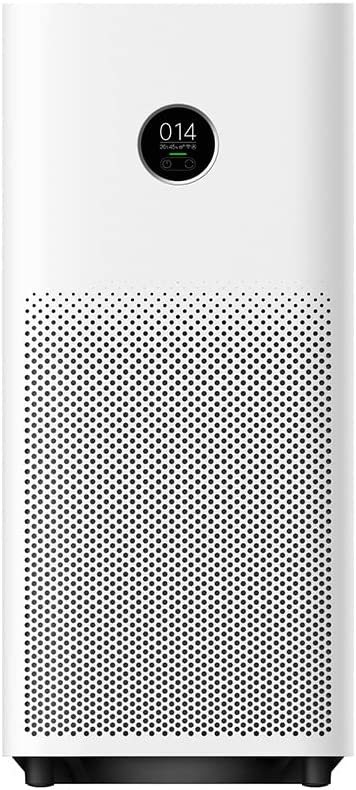
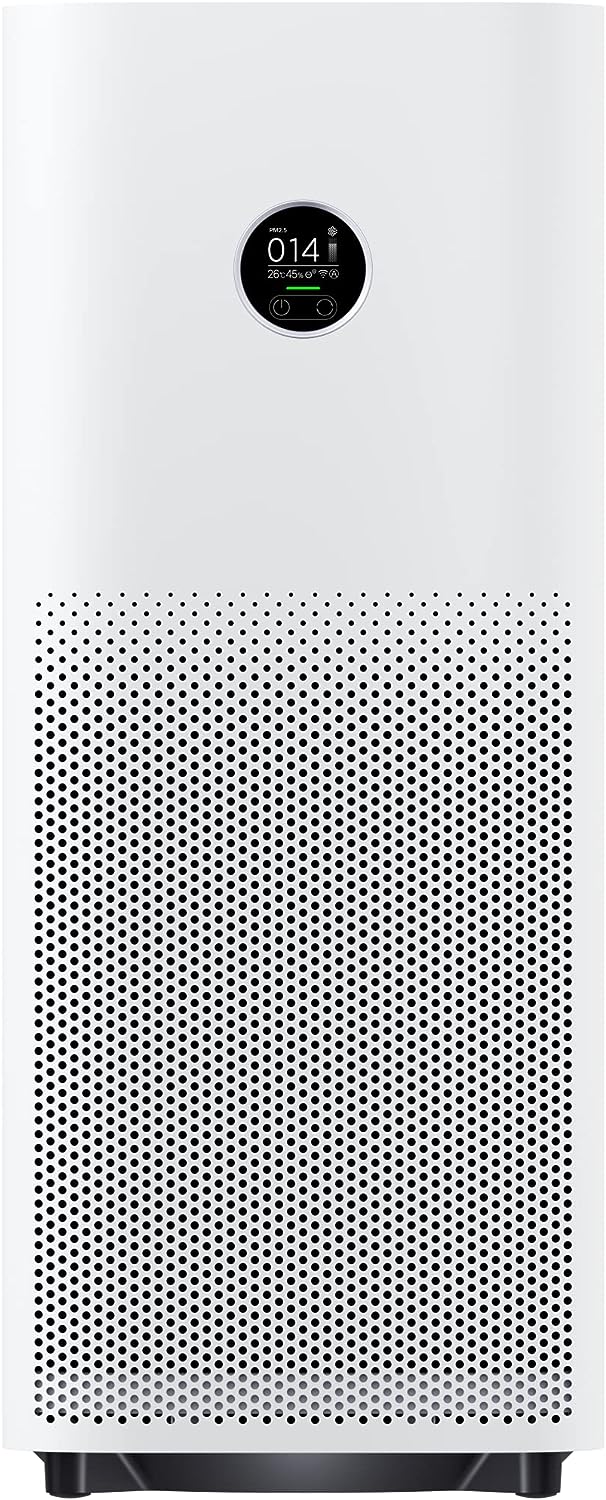
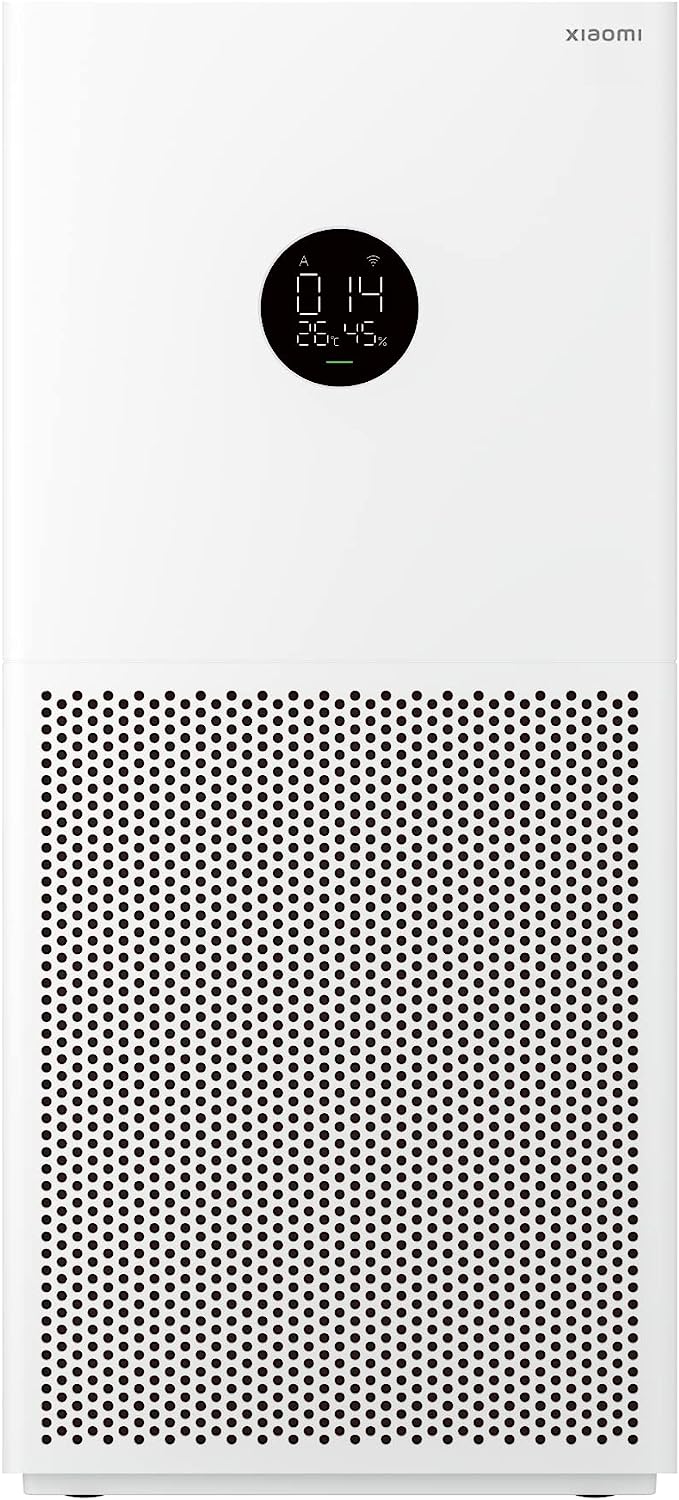
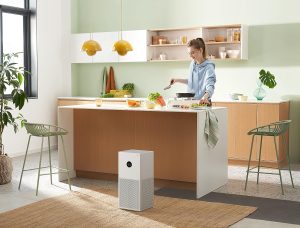
First impressions? All three purifiers look like cousins at a very well-dressed family reunion. Same smooth white chassis, minimalist vibes, and that now-familiar circular OLED display up top showing air quality, humidity, and temperature. You could stick one in a modern living room, a boho studio, or a cluttered home office and it’d still look at home.
But standing side-by-side, the differences pop.
The 4 Lite is the smallest and lightest. It’s made for bedrooms, small offices, or tight apartments where space is a luxury. The standard 4 is your medium option—big enough for most living rooms, compact enough to move easily. The 4 Pro, while still slim, is taller, heavier, and clearly meant for bigger zones. If you’ve got open-plan living or big shared spaces, this one feels like it was built with that in mind.
That screen is more than just pretty—it’s color-coded, so even if you’re half-asleep, you can glance over and know if your air is okay, borderline, or just plain bad.
Cleaning power: not all purifiers are created equal
Now we’re getting to the lungs of the operation. Because the real deal-breaker here is CADR—Clean Air Delivery Rate—and it’s where each model separates itself.
-
4 Lite: CADR 360 m³/h, for up to 43 m²
-
4: CADR 400 m³/h, for up to 48 m²
-
4 Pro: CADR 500 m³/h, for up to 60 m²
What does that mean for you? If you’re throwing it in a 12m² bedroom, the Lite will handle it without breaking a sweat. Living room with pets, kitchen fumes, and open windows? The 4 steps up to the challenge. And if you’re in a loft, have kids with allergies, or live near a major road? The Pro is your weapon. It clears the air faster and reaches every corner.
They all rock the same three-layer HEPA filter with 99.97% efficiency, so allergens, smoke, dust, and microscopic chaos are taken care of. But here’s where it gets spicy: the amount of activated carbon varies.
-
Pro: 650,000 mg
-
4: 500,000 mg
-
Lite: 450,000 mg
That means the Pro is your go-to if odors, smoke, or volatile chemicals are a regular nuisance. Think cooking smells that hang around, urban pollution, or pet funk. It absorbs them faster, longer, better.
Sensors: what your purifier actually knows
You want a smart purifier, not a blind one. And this is where we see a clear tier in how much each model understands the air around it.
-
4 Lite and 4: PM2.5 laser sensors only. Great for fine particles like smoke, urban dust, or car emissions.
-
4 Pro: PM2.5 and PM10 sensors. That means it sees both tiny and larger particles—like pollen, pet hair, or dust bunnies.
If you’ve got allergies or sensitivities, having the Pro’s extra data makes it smarter at reacting in real time. It doesn’t just see smoke—it notices that spring pollen wave or the fluff flying around after a bedding change.
User control: how much do you want to tweak?
Some people want to push a button and forget. Others like fine-tuning fan speeds like they’re piloting a spaceship. Xiaomi gives us both.
-
4 and 4 Pro: Auto, Night, Favorite, plus low/medium/high manual modes.
-
4 Lite: Auto, Night, Favorite. That’s it.
So if you like to mess with airflow, adjust speed during a clean, or prefer total control, the 4 and Pro give you that flexibility. The Lite keeps it chill, which honestly might be all some people want. Fewer options, fewer things to overthink.
But no matter which one you get, Night mode drops the noise down to a whisper: between 32 and 33 dB. You’ll sleep through it. We did.
Smart features: same brains, different muscles
Here’s the good news: they all connect to the Mi Home app, and they all work with Alexa and Google Assistant. So whether you’re yelling “turn on purifier” across the room or adjusting settings from your phone in bed, you’ve got full remote control.
-
Power on/off? Check.
-
Set timers and schedules? Yep.
-
Live air quality graphs? Absolutely.
-
Filter life updates and alerts? Built-in.
Even the OLED displays show identical real-time data, from temperature and humidity to color-coded PM levels. You’re not missing out on smart features no matter which one you pick.
Maintenance and efficiency: no surprises, thankfully
We’ll keep this simple: they all use the same tool-free, replaceable filter cartridge, which lasts 6–12 months depending on how hard you work it. And the app tells you when to swap it out—no guesswork, no panic.
They also adjust speed automatically based on air quality, so energy use stays low when the air is clean. In daily use, they sip power, not gulp it. That’s good news for both your electricity bill and your eco-anxiety.
Noise: same silence, different strengths
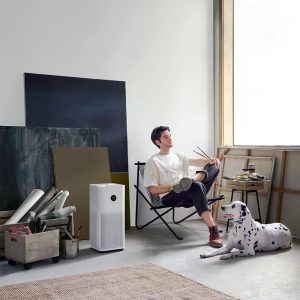
We already mentioned it, but let’s say it again—these machines are whisper-quiet. Even on full blast, none of them sound like a jet engine.
-
Night mode on the 4: 32 dB
-
Night mode on the Lite and Pro: 33 dB
You’ll never notice a 1 dB difference. What matters more is how often you’ll hear it at full speed—which, again, depends on the size of your room and how much junk is in the air.
Air you can feel: the comfort test
Let’s forget specs for a second. Do you feel a difference? Yes. Unquestionably. Within hours of running any of these, you breathe easier. We noticed less congestion, less dry throat in the morning, fewer allergy flare-ups.
-
Dust? Gone.
-
Pet dander? Much better.
-
Cooking fumes? Handled.
-
Weird smells? Neutralized.
Even on lower speeds, they pull more out of the air than you think. And once you go clean air, it’s hard to go back.
So… which one should you actually get?
That depends on where you live, what you breathe, and how much you want to control it.
-
If you’re in a small room, want a simple setup, and don’t need every bell and whistle: the Smart Air Purifier 4 Lite is perfect. Compact, quiet, and gets the job done.
-
If your needs are balanced—medium room, occasional smells, and you like some control: go with the standard 4. It’s a great middle-ground choice that feels smarter than its price tag.
-
But if you want the fastest cleaning, the widest coverage, and sensors that pick up everything—not just smoke, but dust, allergens, and pet fluff—then the 4 Pro is the one.
Honestly, that PM10 sensor makes a bigger difference than we expected. It’s like your purifier has a wider lens and quicker reflexes. And that boosted activated carbon? A blessing if you’ve got pets, cook a lot, or live in a busy city.
Bottom line? The Xiaomi Smart Air Purifier 4 Pro doesn’t just keep up with your air—it stays ahead of it. If you’re serious about making your home cleaner, healthier, and more comfortable, it’s the purifier that proves clean air doesn’t have to be complicated—or boring.