


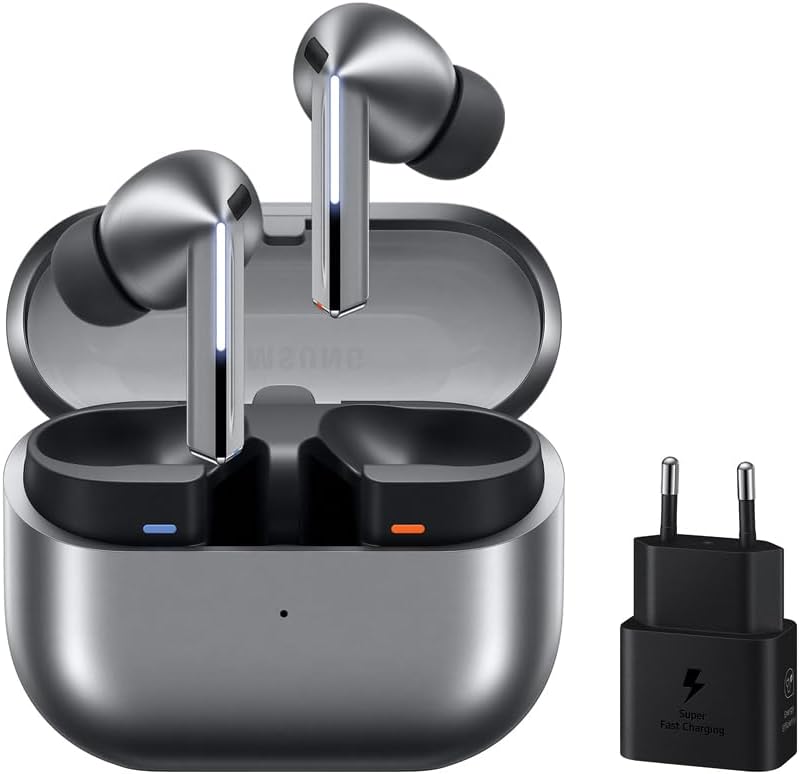
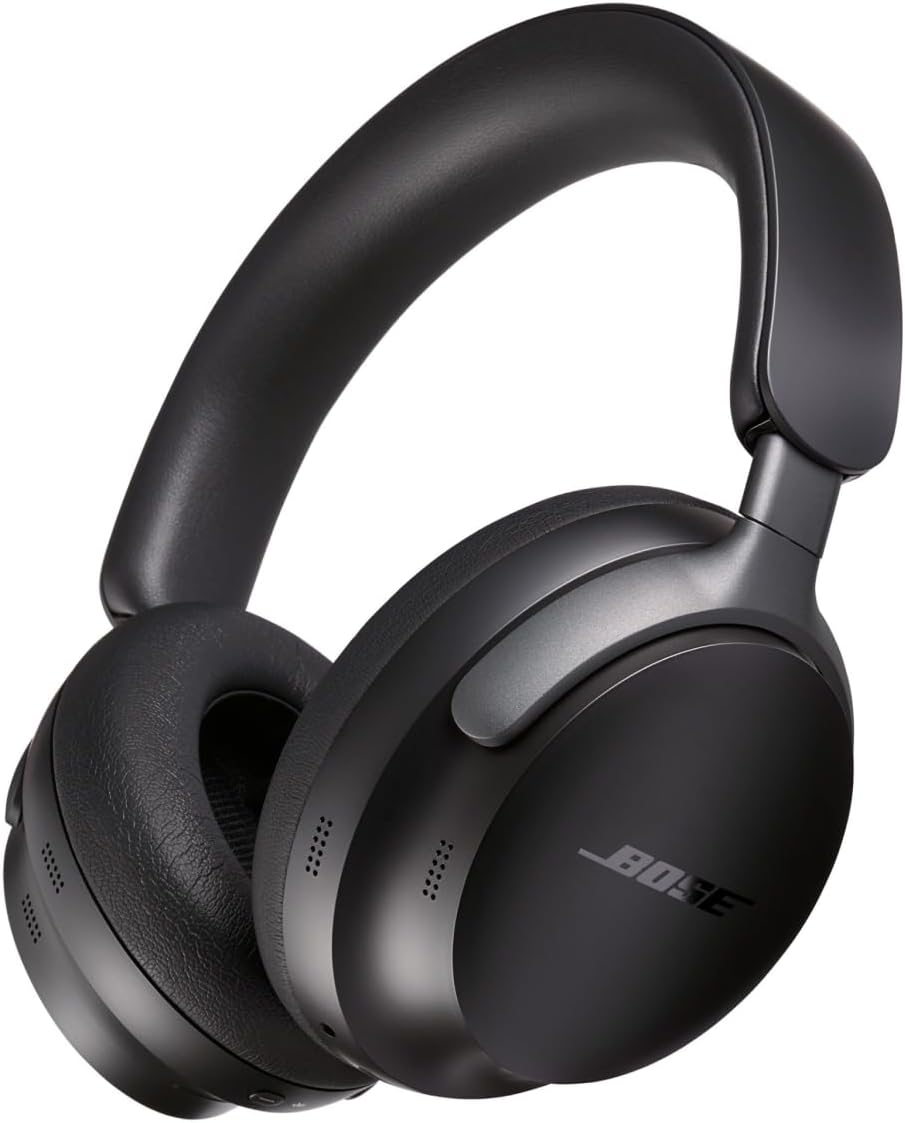
Choosing between two of the most advanced wireless earbuds of the year isn’t just about specs—it’s about how they behave when real life gets noisy, sweaty, busy, and unpredictable. In 2024, the Galaxy Buds 3 Pro and the Bose QuietComfort Ultra Earbuds have emerged as the top-tier ANC (active noise cancellation) contenders. They’re both packed with cutting-edge features, promising to seal you off from the world while delivering studio-grade sound.
And yet, they couldn’t feel more different in the ear. Samsung’s newest Buds go for sleek utility, modern conveniences, and intelligent features that lean into the ecosystem. Bose brings brute-force silence, plush audio, and a comfort-first approach that makes them feel like soft pillows for your ears. So which one’s the better fit for you? Let’s dive in and pull apart what really matters.
Design and comfort: all about where and how you wear them
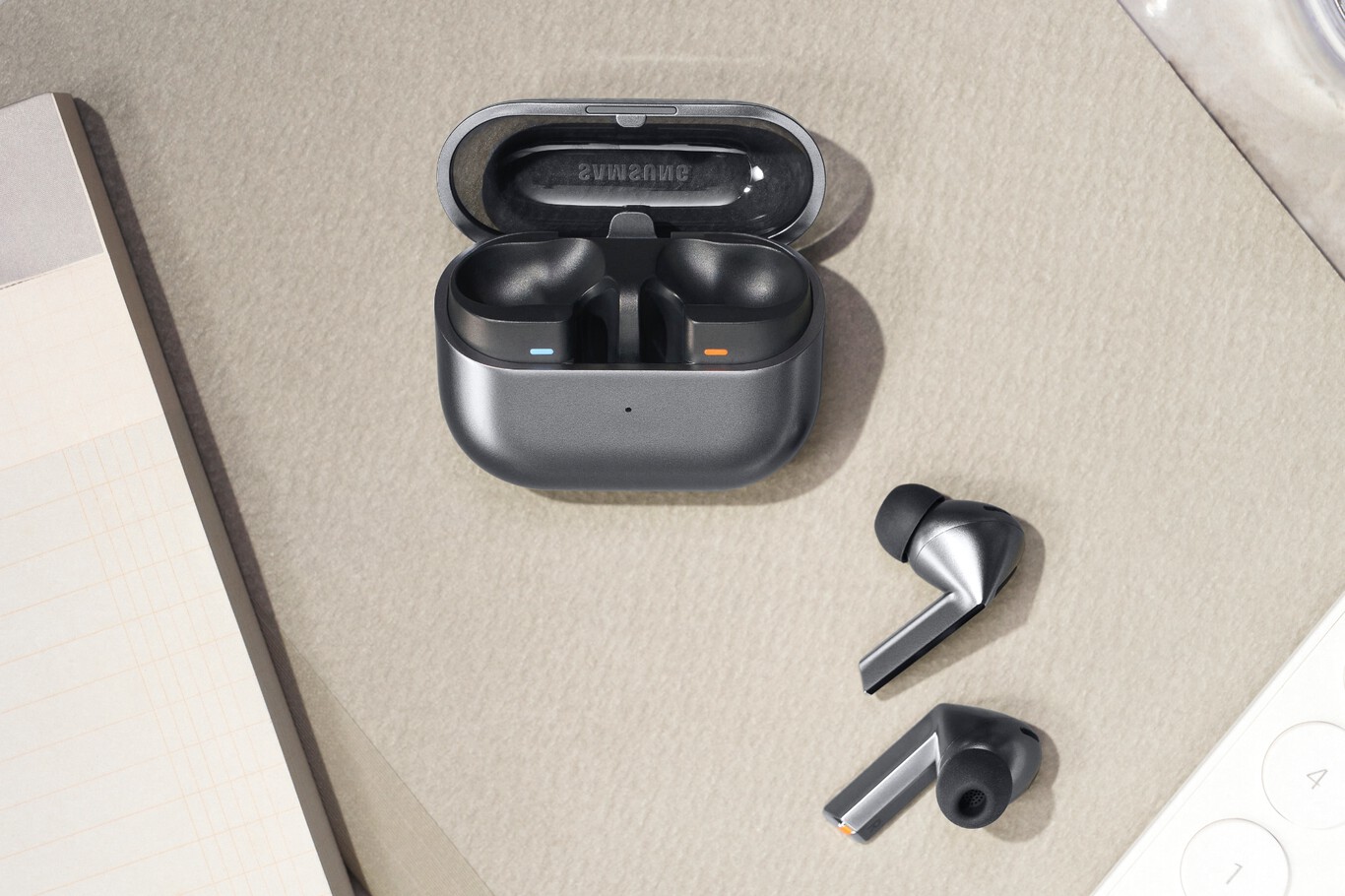
These aren’t just earbuds—they’re part of your daily routine. Whether it’s a workout, a Zoom call, or winding down in bed, comfort isn’t negotiable.
The Galaxy Buds 3 Pro adopt a stemmed design, something we didn’t expect from Samsung, but here we are. They’re light, minimal, and slip into the ear with silicone tips that seal well without pressure. The stem allows for precise gestures, and their overall footprint makes them easier to forget once in.
Bose takes a totally different route with their signature bulbous shape and stabilizing fin. They don’t sit as deep but feel more “locked in”, especially during movement. That stability makes them ideal for workouts or walks—they won’t wiggle loose unless you try to shake them out.
In short: Samsung’s design feels discreet and futuristic, while Bose gives you a plush, anchored fit that’s almost therapeutic. Choose depending on whether you prioritize invisibility or staying power.
Durability: IP rating wars—and there’s a clear winner
If you’re taking your earbuds outdoors, to the gym, or anywhere near water, Samsung wins this round hands down.
The Galaxy Buds 3 Pro carry an IP57 rating, which means they can handle full dust exposure and even a dunk in water. They’re built for rain, sweat, beach days—you name it.
Bose keeps it safer with IPX4, good for splashes but not dust or immersion. Fine for indoor workouts and short runs in light rain. But you probably won’t be taking them cliff diving.
This is one of the biggest differences in real-world use. Samsung’s buds just beg to be used in messy, unpredictable environments.
Charging and portability: pocket game matters
Both cases are solid, but Samsung keeps it slimmer, lighter, and just easier to stash. The Buds 3 Pro’s case feels almost unnoticeable in a jeans pocket, and it looks clean—typical Samsung minimalism.
Bose’s case is bulkier, no way around that. It’s well-made, sure, but it’s a pocket hog. You’ll probably end up tossing it in a bag instead of your pocket.
Then there’s wireless charging. Samsung supports it. Bose doesn’t. Simple as that. If you’ve already got a Qi pad on your desk or nightstand, that’s one less cable to think about with the Buds 3 Pro.
Controls and usability: it’s in the gestures
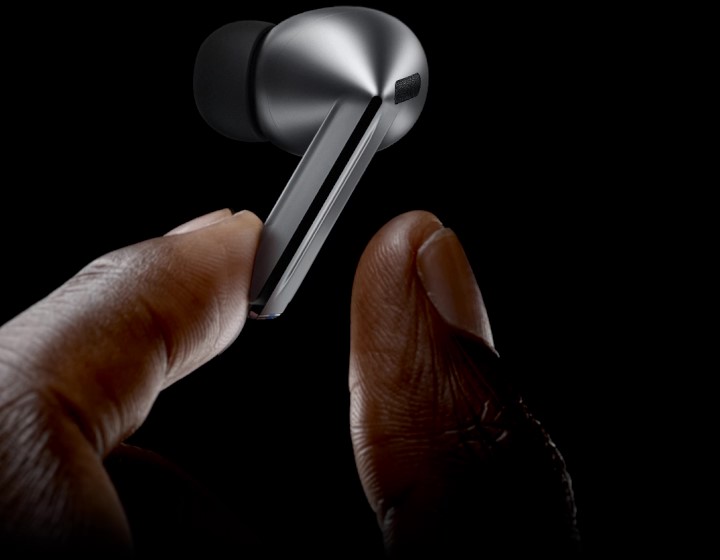
Controls can make or break wireless earbuds. Samsung’s stem-based pinch and swipe gestures feel precise, responsive, and easy to get used to. Want to raise the volume on a jog or pause a podcast without missing a beat? You’ll get it right the first time.
Bose relies on face taps and swipes, which are more traditional, but slightly more prone to accidental triggers when adjusting fit. Not a dealbreaker, but it happens.
Both offer customization, but Samsung’s input method just feels cleaner—especially in motion.
App support: who gives you more control?
This is where Samsung starts to flex.
The Galaxy Buds 3 Pro pair with the Samsung Wearable app, offering a 7-band EQ, ANC control, voice detect, and real-time translation support. Some features, like seamless codec adjustments, are exclusive to Samsung phones, but even on other Androids, there’s plenty to play with.
Bose’s Music app is slick and stable, but basic. You get a 3-band EQ, ANC modes, firmware updates, and the Immersive Audio toggle. It’s designed for simplicity, not for power users.
If you’re into tweaking every little detail, Samsung gives you the sandbox. If you just want to pair and play, Bose makes that effortless.
Connectivity: more open vs more optimized
Here’s where philosophies split.
Bose supports aptX Adaptive and aptX Lossless, which is great news for Android users with Qualcomm chips. It’s built for high-quality, cross-platform compatibility.
Samsung uses its own Seamless Codec alongside SBC and AAC, and while that codec works brilliantly on Galaxy phones, it doesn’t offer the same benefit elsewhere.
Auracast support on the Buds 3 Pro is a wildcard. It’s futuristic—audio broadcasting from public places to your earbuds—but not widely adopted yet. Still, it hints at forward thinking.
So if you’re a Samsung user? Go Buds 3 Pro. If you’re rocking other Androids or mixing ecosystems, Bose is the safer bet.
Battery life: Bose holds the long-game card
Battery life might not sound sexy, but it matters—especially if you’re traveling or working long shifts.
With ANC on, the Buds 3 Pro last about 4 hours and 30 minutes. Enough for commutes and workouts, but you’ll want to top them up by lunchtime.
Bose pushes over 6 hours with ANC on, which is a game-changer for flights, study sessions, or long walks. It just keeps going.
Both cases offer multiple top-ups, but not having to reach for the case as often? That’s a quiet luxury.
Noise cancellation: Bose is still the boss
We’ll say it: Samsung has improved ANC this year, and in controlled environments, it holds its own. Office hums, coffee shop chatter—it does the job.
But Bose? Still unmatched. Their ANC doesn’t just hush the world—it wraps it in velvet and mutes it. Low rumbles, engine noise, AC units—gone. The isolation is tighter, and the tuning adapts more naturally in real time.
If ANC is your top priority, there’s no suspense here—Bose takes it.
Sound quality: pop vs purity
Samsung loves bold sound. The Buds 3 Pro deliver a bass-forward, energetic profile, with clear treble and a lively stage. It’s modern, it’s fun, and it shines with pop, hip hop, and electronic music. It’s the sound that makes you nod your head on the train.
Bose plays it warmer and more balanced. Sub-bass is lush, mids are full without being nasal, and highs are gentle—not dull, just less aggressive. Jazz, classical, acoustic—it all sounds natural and full.
Samsung exhibits slightly less distortion at high volumes, which is a win for audiophiles who like to crank it. But if you’re after emotional depth over sheer dynamics, Bose wins with that velvet richness.
Call quality: separating your voice from the chaos
Both do great in quiet rooms. But when the background gets messy, the difference comes out.
Bose mics cut through wind, traffic, and café chaos better, with clearer speech and fewer artifacts. It’s not magic, but it feels like Bose prioritized voice clarity more aggressively.
Samsung holds up well but doesn’t isolate your voice as consistently when things get loud.
Conclusion: Bose is the king of silence—but Samsung’s fighting smarter
So here’s the thing. If your dream earbud is all about silencing the world and listening with warmth and depth, the Bose QuietComfort Ultra Earbuds absolutely deliver. They’re consistent, rich, and tuned for comfort and calm. If ANC is what you crave—stop here.
But the Galaxy Buds 3 Pro aren’t just chasing—they’re innovating. They bring real waterproofing, wireless charging, slimmer design, Auracast, more customizable sound, and smarter controls—especially if you live in the Samsung ecosystem.
It’s a classic choice: refinement versus flexibility. Bose masters what it does best. Samsung lets you do more.
If you want the cleanest, most peaceful audio bubble out there? Bose.
If you want buds that go where you go, adjust to your habits, and offer smart tools wrapped in slick hardware? Samsung’s Buds 3 Pro have earned their seat at the table.