




So here we are in 2024, standing between two very different flavors of the Apple audio experience. On one side, you’ve got the AirPods 4 with Active Noise Cancellation—the first time Apple has added ANC to its iconic open-fit earbuds. On the other side? The Beats Studio Buds Plus, a sealed, silicone-tipped set designed to drown out the world and keep the bass pumping. Same parent company, totally different philosophies.
One favors casual comfort and Apple-native magic, the other brings platform flexibility and deeper isolation. They’re not direct competitors in form, but they are competing for space in your ears. And after weeks of living with both—commuting, working out, lying in bed listening to rain playlists—we’ve got a clear picture of who each one is really for.
Fit and comfort: open breeze or sealed cocoon?

Fit changes everything. The AirPods 4 stick with the classic outer-ear design—no silicone tips, no deep insertion. Just stemmed pods that sit gently in your ear without pressure. They’re light, forgettable, and weirdly still stay in place, even during light exercise. But that airy fit? It also means ambient sound is always present, by design.
The Beats Studio Buds Plus go the other way—tight, secure, and all about the seal. Four ear tip sizes make it easier to find a solid fit, and once you do, they feel locked in and focused. The isolation starts before you even press play. Perfect for travel or noisy rooms, but some users might feel the pressure build-up over long sessions.
So the trade-off’s clear: if you hate the feeling of things jammed in your ear, the AirPods 4 are a dream. But if you crave immersion and that satisfying sound bubble, Beats bring the better fit.
Durability: not all IP ratings are created equal
Let’s talk resistance, because these buds are going places. The AirPods 4 carry an IP54 rating, which means they’re not just splash-proof, they’re also protected against dust. That might sound like a nerdy detail, but it matters if you’re running outdoors, biking, or tossing them in a bag full of sand and pocket lint.
Beats Studio Buds Plus have an IPX4 rating—so water resistance, yes, but zero dust protection. That’s fine for gym use and rainstorms, but not quite as versatile if you live life a bit rougher around the edges.
So yeah, Apple’s buds come out stronger for multi-environment use, even if you wouldn’t guess it by looking.
Controls: subtle gestures vs satisfying clicks
AirPods 4 go all in on gesture control—pinch the stem, nod your head, ask Siri. It feels futuristic, and it works most of the time. That said, volume control still requires voice or the phone, and if you’re sweaty or wearing gloves? Good luck.
Beats stick with good old-fashioned physical buttons. Press to play, press longer for ANC, double-press to skip. There’s no guesswork or mistaps, and you can adjust volume directly on the buds. In high-motion situations—running, cycling, rushing to catch a train—that tactile feel wins.
If you love smooth UI integration, AirPods have the edge. If you want control that doesn’t flinch under pressure, Beats win.
Smart features: deep iOS integration vs platform freedom

This is where things split dramatically.
AirPods 4 are, unsurprisingly, built for Apple devices. If you use an iPhone, you get automatic pairing, Adaptive Audio, Find My, Spatial Audio with head tracking, and Conversation Awareness that pauses your media when you start talking. It’s baked into the system, and it’s seamless.
Beats Studio Buds Plus also play nice with iOS—they support Spatial Audio, instant pairing, and Find My—but they also show Android users some love. There’s a full Android app, Google Fast Pair, customizable button mapping, and even OTA updates. You’re not locked into one OS.
So the question becomes: are you 100% inside the Apple bubble, or do you bounce between devices? If you’re all-Apple, AirPods feel more magical. If you’re more open-world, Beats are clearly more inclusive.
Connectivity and codec support: solid, but not high-res
Both earbuds support Bluetooth 5.3, and both support SBC and AAC codecs. So they’re great for day-to-day streaming, calls, and videos. But neither support LDAC or aptX Adaptive, so if you’re hoping for audiophile-level wireless sound, look elsewhere.
That said, the Beats offer faster pairing on Android, and support Google Fast Pair, Audio Switching, and even Audio Sharing in the Apple ecosystem. That makes them just slightly more versatile when it comes to jumping between devices.
No major winner here, but Beats are better across platforms. Period.
Battery life: a quiet but decisive win
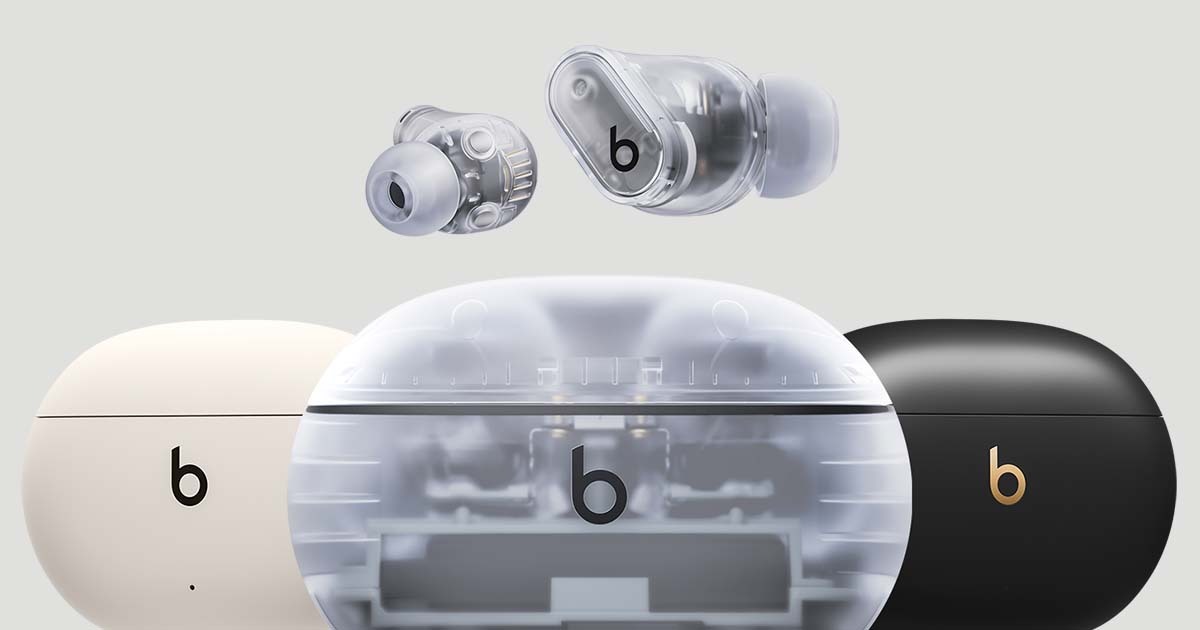
Apple rarely loses in the battery department—but this time, the Beats take it by a mile.
With ANC on, Beats Studio Buds Plus last over 8 hours. That’s enough for most flights, and then some. AirPods 4, with ANC off, land closer to 6 hours—and drop even further when you use ANC or Adaptive Audio.
Both cases add multiple charges, and both use USB-C (finally). But only AirPods support wireless charging and Apple Watch puck charging, which is undeniably convenient.
So yeah, if you’re chasing runtime, Beats win. If charging convenience is your priority, Apple holds the edge.
Noise cancellation: sealed wins again
Let’s be blunt—noise cancellation is always more effective when there’s a physical seal. And here, Beats Studio Buds Plus dominate.
Their ANC is noticeably stronger, especially in low-frequency rumble—plane cabins, subway hums, fans. Combine that with the passive isolation from the ear tips, and you’ve got near-complete isolation.
AirPods 4, despite having surprisingly good ANC for an open fit, just can’t compete. You still hear your environment—it’s softened, not silenced. For people who like that awareness, it’s great. But if you’re hunting full silence? Only one of these buds gets you there.
Sound quality: safe vs punchy
AirPods 4 play it clean. There’s clarity in the mids, detailed vocals, but the bass is—well, it’s just not that deep. Without a proper seal, there’s only so much low-end you can expect. If you listen to a lot of podcasts, acoustic, or softer genres, they’re great.
Beats Studio Buds Plus turn up the fun. Bass thumps. Treble sparkles. The soundstage is wider and livelier. It’s a consumer-tuned profile with an emphasis on energy. Not the most “neutral” out there, but for pop, hip-hop, and even movies, they’re just more exciting.
MDAQS tests show Beats scoring higher in immersion and bass performance, which matches what we heard.
So if you want balanced, low-fatigue sound, AirPods are safe. If you want your music to move you, Beats feel more alive.
Call quality: AirPods stay in control

If you take a lot of calls, AirPods 4 consistently deliver better mic clarity, especially in wind or crowd noise. Their beamforming mic array, combined with Apple’s signal processing, does a better job of keeping your voice front and center.
Beats don’t sound bad, but in noisier environments, call quality slips a bit faster.
For communication-heavy users, AirPods win without much debate.
Conclusion: Beats win the battle, but AirPods show surprising fight
Here’s the truth: Beats Studio Buds Plus are the stronger all-around earbuds. They offer better ANC, longer battery, richer sound, and broader compatibility. For people who want a sealed fit, punchy audio, and day-long wear, they’re the clear winners.
But the AirPods 4 surprised us. They’re not trying to be studio monitors or noise-canceling bunkers—they’re about comfort, simplicity, and seamless integration. For casual listening, everyday calls, and people who hate the feeling of something stuck in their ear, they might actually be the better choice.
Still, for performance, Beats walk away with the crown in 2024.
Sealed design. Extended playtime. Full-on ANC. That’s what wins this round.