

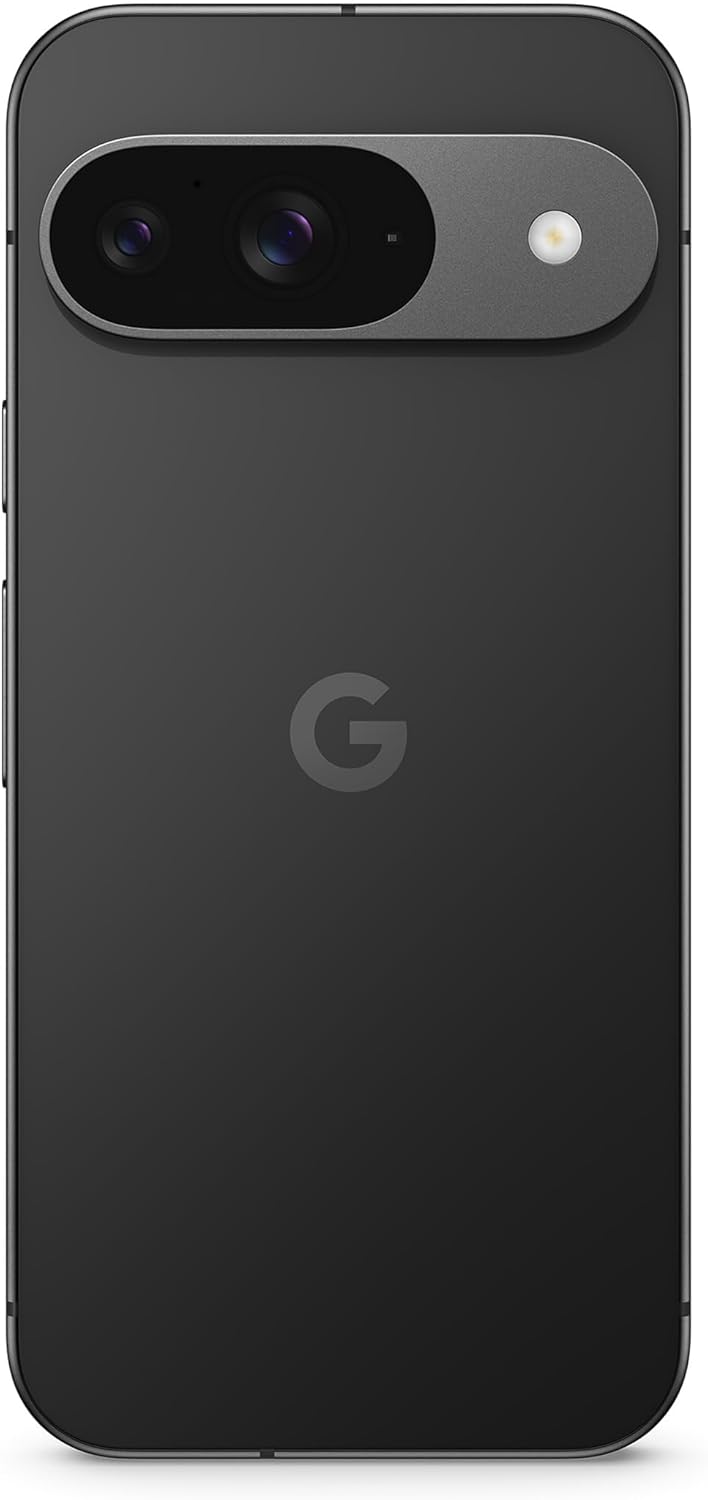




There’s something oddly tricky about picking a phone from the same family. You’d think it should be easy—just grab the one that fits your hand or your budget, and off you go. But with the Pixel 9, Pixel 9 Pro, and Pixel 9 Pro XL, Google’s made things a bit more complicated. And more interesting.
Because this time, it’s not just about screen size or price. It’s about materials, RAM, charging speed, and camera depth—stuff that doesn’t show up in the name but definitely shows up in how the phone feels after three months of daily use.
We’ve spent time with all three, and let us tell you: this lineup might look unified, but the differences go deeper than expected.
Aesthetic consistency hides some real character shifts
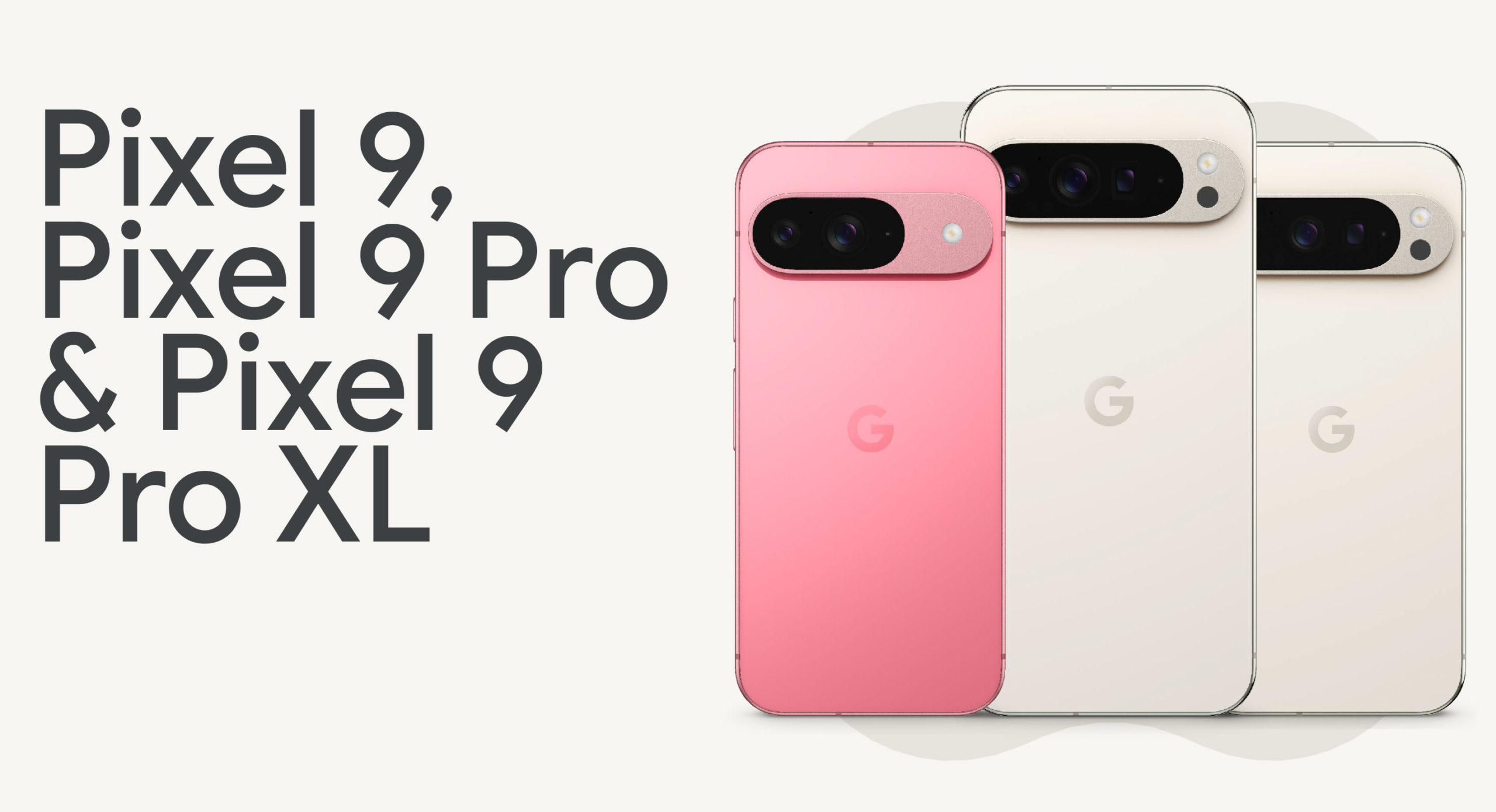
At first glance, you could easily mistake these three for clones. They’ve got the same silhouette, the same clean-cut bar design, and that unmistakable Pixel look. But pick them up, and that’s when the shift starts.
The Pixel 9 Pro and Pro XL both come dressed in matte glass, framed by polished metal, and there’s something about that combo—it’s subtle, cool to the touch, and quietly premium. The standard Pixel 9, on the other hand, gets a glossy back and a softer satin frame, which isn’t a downgrade exactly, but it feels less deliberate. Less sculpted.
Size-wise, the Pixel 9 and 9 Pro are identical—compact, slim, and symmetrical. Perfect for one-handed use. The Pro XL is the outlier, a noticeable step up in size and weight, clocking in at 7.8 ounces and a longer frame. It’s meant to fill your hand and your eye. This isn’t the kind of phone you forget is in your pocket—it wants presence.
And while all three are clearly related, the Pro XL carries itself with more confidence. It feels like the design team stopped holding back.
Displays with different rules of engagement
Okay, here’s where things start to diverge fast. All three phones rock OLED panels—and they’re good across the board—but the differences in refresh rate behavior and brightness tell a bigger story.
The Pixel 9 features a 6.3-inch Actua display with a refresh range of 60 to 120Hz. It’s adaptive enough for day-to-day use, but doesn’t dip into that ultra-smooth 1Hz idle state. That means it can’t conserve battery quite as efficiently when showing static content.
Now, the Pro and Pro XL both use Super Actua displays, which—aside from sounding like a comic book move—offer higher resolution, adaptive 1–120Hz refresh, and 3,000 nits peak brightness. Yes, 3,000. That means outdoor visibility, even in direct sunlight, is absolutely uncompromised.
Pixel density? The Pixel 9 Pro sneaks in the win due to its smaller size and higher resolution, but honestly, all three displays are stunning. What really separates them is how smart and aggressive the Pro screens are in adapting to what you’re doing.
Camera system: one missing lens makes a big difference
You’d expect camera parity across the board by now, but not quite. All three share the same 50MP main sensor and a 48MP ultrawide. That’s good news—it means whether you go base or XL, your wide and ultra-wide shots will look fantastic. Detail, color, and dynamic range are locked in.
But here’s the catch: the Pixel 9 doesn’t get a telephoto lens. That means no optical zoom—just 8x digital, which holds up okay in daylight but falls apart quickly after that.
The Pro and Pro XL include a third 48MP telephoto with 5x optical zoom, and when you pair that with Google’s software tricks—Super Res Zoom and AI sharpening—you get 30x digital zoom that’s surprisingly usable. It’s more than just numbers. It opens up compositions that the base model can’t reach.
Plus, manual Pro Controls—ISO, shutter, focus—are only available on the Pro models. That makes the Pro pair feel more like tools for image makers. The Pixel 9 stays automatic-only.
Video? All support 4K60, but only the Pro models shoot 8K at 30FPS, and only they get Night Sight Video, Video Boost, and Super Res Video Zoom. It’s a full package, and the Pixel 9 is slightly out of its depth here.
Front camera: not just about selfies anymore
This one surprised us. The Pixel 9 uses a 10.5MP front camera, which is fine—good, even. Wide enough at 95 degrees and with autofocus, so you won’t look fuzzy on video calls.
But then you look at the 42MP front camera on the Pro and Pro XL, and it feels almost unfair. Sharper detail, better HDR handling, and a wider 103-degree field of view make these perfect for not just selfies but group shots, content creators, and even vlogging.
Autofocus is standard across all models, but clarity? The Pro cameras are in another league.
Performance is unified—until you push it

All three phones run on the same Tensor G4 chip, backed by the Titan M2 security core. That means snappy performance across the board, whether you’re editing photos, running AI tools, or switching between dozens of apps.
But then comes the RAM split.
Pixel 9 gives you 12GB of RAM, while the Pro and Pro XL both get 16GB. That sounds like a minor spec bump, but when you’re juggling camera apps, editing tools, voice transcription, and maybe some streaming in the background—those extra gigs matter.
Storage scales, too. The base Pixel 9 tops out at 256GB, while the Pro models climb all the way to 1TB. That alone might tip the scale for media-heavy users.
Battery and charging: no surprises, just advantages
Battery capacity scales logically. Pixel 9 and 9 Pro share a 4,700 mAh cell, which is plenty for a day and change. The Pro XL bumps it to 5,060 mAh, which, paired with its 1Hz refresh capability, means you’re looking at serious longevity—especially for media streaming or GPS-heavy tasks.
But it’s the charging speeds that quietly shift the experience.
-
Pixel 9: 27W wired, 12W wireless (or 15W with Pixel Stand).
-
Pixel 9 Pro: Same wired, but 21W wireless with Pixel Stand.
-
Pixel 9 Pro XL: 37W wired, 23W wireless with Pixel Stand.
With a Pixel Stand (2nd Gen), only the Pro models charge like actual flagships. And the XL? It blazes through recharging like it’s late to something.
AI features: Google spreads the love, mostly
Here’s the pleasant surprise: Pixel 9 doesn’t get left behind on AI.
Add Me, Call Notes, Pixel Weather, Pixel Screenshots—they’re all here. And they run just as smoothly as they do on the higher-end models.
All three are getting seven years of OS and security updates. That’s major. Google isn’t treating the Pixel 9 like a second-tier device when it comes to longevity.
The only exclusive AI perk? Gemini Advanced. The Pro and Pro XL come bundled with a year of the AI Premium Plan, which includes 2TB of cloud storage and the top-tier version of Gemini. If you’re deep into AI tools and workspace integrations, that’s something to factor in.
Integration and extras: the Pixel experience stays consistent

No matter which model you pick, you’re locked into a tight Google ecosystem. Fast pairing, cross-device continuity with Android tablets and Chrome OS, and smooth interactions with Nest devices—it all just clicks.
Clear Calling, Live Translate, speaker-labeled voice notes—it’s all here.
Connectivity standards (Bluetooth, Wi-Fi, UWB) are shared, too. There are no strange gaps. Just a fully mature system that makes your phone feel less like an isolated device and more like the center of your digital life.
So… which Pixel 9 makes the most sense?
Let’s be honest—the Pixel 9 Pro XL wins because it offers every single upgrade with zero tradeoffs. If you’re not turned off by the size (and you actually want that big screen), it’s the Pixel with the best screen, best battery, best charging, best zoom, and best front camera.
The Pixel 9 Pro is the real sweet spot for people who want flagship power in a smaller frame. It’s got the same brains, same lenses, same speed—just in a more compact body.
The standard Pixel 9 is the minimalist’s pick. It does most of the important things well, keeps the price lower, and skips only the heavy stuff: telephoto, Pro Controls, and some AI perks.
But if you’re after the whole experience—camera power, video muscle, longevity, and sheer visual space—the Pro XL just hits different. It’s not just big. It’s bold. And this year, that makes all the difference.