


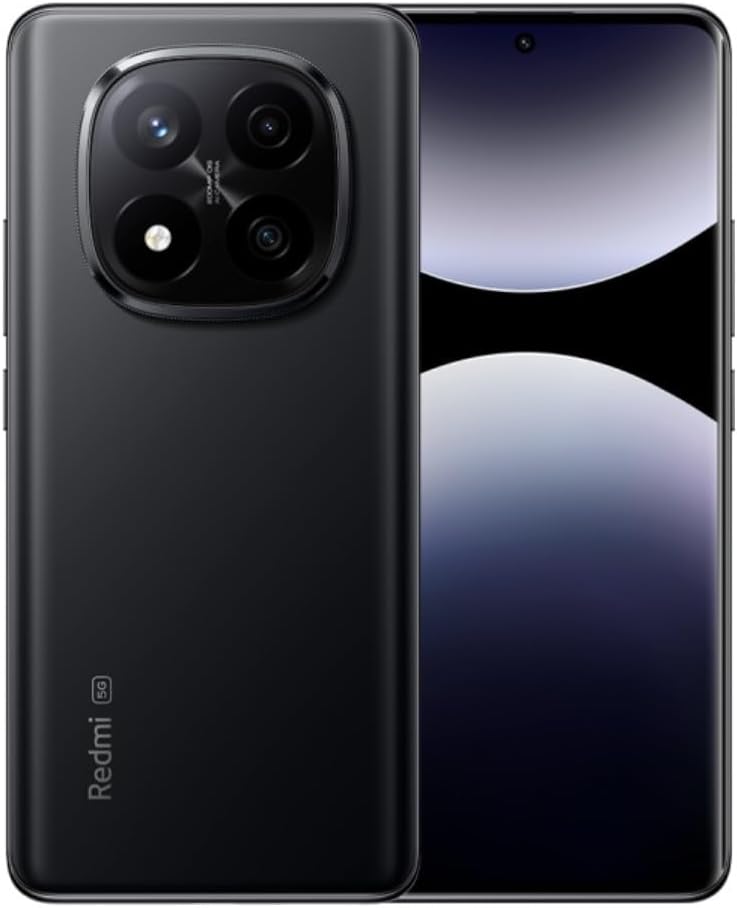
We’ve all been there. You’re eyeing a new phone, and the specs look nearly identical—until they don’t. That’s the headache with the Redmi Note 14 Pro and the Redmi Note 14 Pro Plus. On the surface, they’re siblings. But once you get into the details, it starts to feel like a quiet sibling rivalry with some very real consequences for your pocket and your day-to-day use.
What’s wild is just how thin the line has become between “Pro” and “Pro Plus.” At first, we thought the differences would be cosmetic. But no—there’s more here. More in how they charge, how they shoot photos, how they sound, and how they think. If you’re just looking for a solid mid-range phone, either one works. But if you’re aiming to make the smarter buy—the one that won’t have you second-guessing in six months—then we’ve got to unpack this. Properly.
Mirror twins, but only at first glance
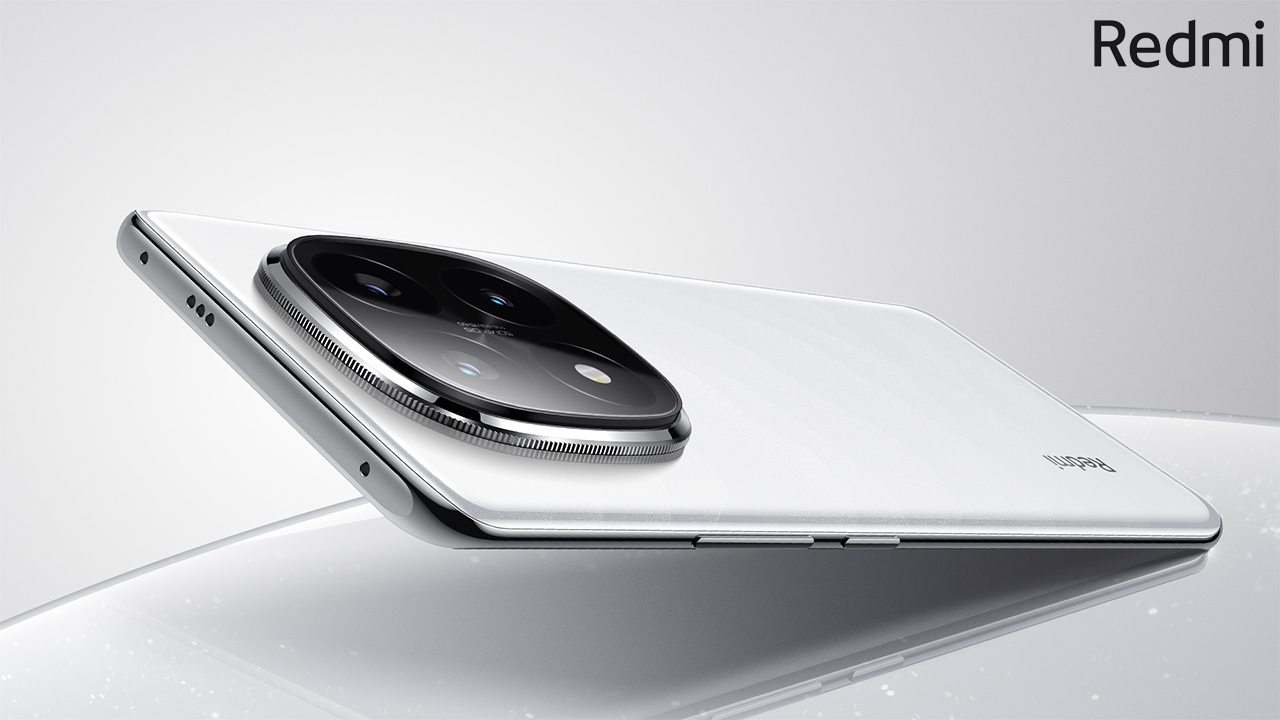
You’d have to squint to spot any physical difference between these two. Both share the same curved aesthetic, with smooth lines, a high-end glass finish, and just enough heft to feel premium without being a wrist workout. But if you pick them up, you might notice the Pro Plus weighs just slightly more—a subtle reminder that it’s packing a bit more tech inside.
Where they both shine—literally and figuratively—is in IP68 water and dust resistance, a feature that used to be locked behind much more expensive phones. That, paired with Xiaomi’s All-Star Armor design, makes both of these devices more durable than they look.
You’re not choosing between beauty and brawn here—they both bring both to the table. What changes is the weight in the hand and, maybe, the idea of what’s going on beneath the surface.
Displays that don’t play around
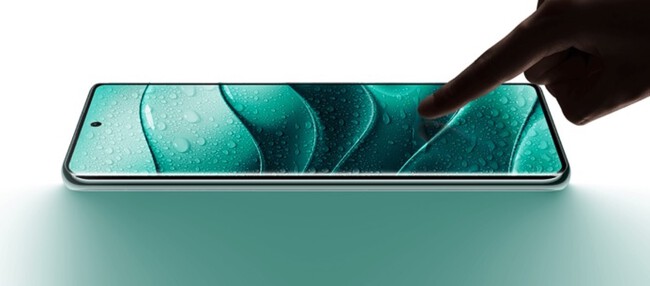
If you’re picky about screens—and let’s be real, who isn’t anymore—you’ll be relieved. Both phones use a curved AMOLED panel with punchy colors, deep blacks, and smooth scrolling thanks to their high refresh rates. This isn’t the typical “good enough” display from mid-range territory. It’s proper eye candy.
The difference is so minor it’s almost philosophical. The Pro has a slightly warmer tint, making whites look a little creamier, while the Pro Plus tends to lean cooler, more on the bluish side. But here’s the kicker—you can fine-tune these settings anyway, so it’s hardly a dealbreaker.
HDR support is present on both, and visibility in direct sunlight is strong. Whether you’re binge-watching on the train or gaming in bed, either display holds up. There’s no winner here—just two top-tier panels that don’t know they’re mid-range.
One charges fast. The other… charges really fast
Here’s where it stops being subtle. Both phones have batteries that get you through a day and maybe into the next—that’s pretty standard at this level. But how they charge? Whole different story.
The Redmi Note 14 Pro tops out at 45W. Not bad. Not amazing. You’ll go from 0 to 100% in about an hour, give or take. The Pro Plus, on the other hand, supports 120W charging. And that’s just bonkers. We’re talking about a full charge in under 20 minutes. Yes, 20. As in less time than it takes to find your keys before leaving the house.
If you live life at full speed, the Pro Plus is the obvious choice. There’s just something wildly liberating about knowing your phone can go from empty to full during a quick shower.
Performance differences you might not even notice
On paper, the Pro Plus packs a slightly more advanced processor, which sounds nice. Benchmarks will show it’s faster. But here’s the weird part: in day-to-day use, you won’t really feel it.
Both phones are smooth, fast, and unbothered by heavy multitasking. Apps open quickly, switching between them is a breeze, and even intensive games play without lag or dropped frames. If we didn’t read the spec sheets, we probably wouldn’t even know which chip was inside.
Thermal control is solid on both models, and neither one heats up unnecessarily. Unless you’re a gamer chasing every last frame or obsessed with Geekbench scores, this isn’t the reason to choose one over the other.
Smart features: one’s smart, the other’s smarter
Here’s where the Pro Plus quietly pulls ahead. Both phones run the same MIUI-based interface—a smooth, feature-packed system that allows for themes, widgets, app cloning, and more. You can customize to your heart’s content.
But the Pro Plus takes it further with exclusive AI tools. Think AI note-taking, smart photo sorting, real-time transcription, subtitle support, and even live translation features. It’s like having a little productivity assistant in your pocket.
The regular Pro sticks to the essentials, focusing on camera-based AI features. Which, again, is perfectly fine. But if you’re someone who’s into hands-free notetaking or translating conversations on the go, the Pro Plus gives you more toys to play with.
Sound, ports, and the little things that matter
Multimedia on both phones is impressive. Dual stereo speakers deliver rich sound, with volume and clarity that doesn’t distort unless you max it out. You can watch YouTube without headphones and not hate it. That’s saying something.
USB-C, dual SIMs, an IR blaster—yep, they’re all here. No surprises. The fingerprint sensors are embedded in the power button, and they’re fast and reliable. Zero complaints there.
But then we go back to audio during video recording. And suddenly, the Pro Plus feels like it’s wearing studio headphones. Its microphones capture voice with noticeably more depth and clarity, which can be huge if you’re making Reels, vlogs, or just sending voice messages that don’t sound like you’re trapped in a tunnel.
Cameras: same hardware, different eyes
Both phones flex the same headline feature: a 200MP main sensor. That’s not a typo. Two hundred megapixels. It’s overkill in the best way. You can crop, zoom, or print billboards if you want.
But here’s the catch: while the sensors are identical, the processors aren’t, and that means the Pro Plus processes photos differently—especially in low light. You’ll see cleaner shadows, better contrast, and more detail in dark areas. It’s not a huge difference, but it’s there.
In daylight, both phones shoot stunning photos. Some might even prefer the slightly warmer tone of the Pro—it gives some scenes a more cinematic feel. Portraits are tight on both, with accurate edge detection and smooth background blur.
Ultra-wide lenses are a bit “meh” across the board. They do the job, but lack sharpness. Then again, most people lean on the main sensor anyway.
The dedicated 200MP mode? Pure fun. Take a shot, zoom in, find details you didn’t even notice in real life. It’s excessive, and we love it.
Front cameras and video quirks
Selfies? Pretty equal. Both deliver clean skin tones, nice dynamic range, and good portrait mode results. But then it gets weird.
The Pro actually performs better when shooting selfie videos, especially in terms of natural lighting and contrast. But the Pro Plus takes the lead in audio quality during those same videos. It’s like choosing between looking great or sounding great.
If you record a lot of front-facing video, this becomes a real tradeoff. Want better lighting and color balance? The Pro is your pick. Want clearer voice capture? The Pro Plus takes it.
As for rear video, both shoot 4K at 30 FPS, and look fantastic doing it. You might get a touch of jitter during slow pans—that classic Android hiccup—but it’s minor.
Software future-proofing
Xiaomi has stepped up in this department, and both the Note 14 Pro and Pro Plus are set to get consistent updates. That includes new features, bug fixes, and security patches.
Animations are smooth, multitasking is fluid, and everything feels stable. There’s no major advantage for either model here—they’re built on the same software base, and both are optimized to perform well over time.
If you’re worried about one getting left behind, don’t be. Xiaomi seems committed to keeping both up to date.
It’s the little differences that add up
When you line them up spec by spec, it’s easy to think they’re nearly identical. But once you actually live with them, small advantages start to stack up for the Pro Plus.
Faster charging. Better low-light shots. Smarter AI tools. Clearer video audio. They’re not huge on their own, but together they add up to something meaningful.
At the same time, the standard Pro holds its ground. It’s lighter. Its selfie video looks better. And if you don’t care about rapid charging or AI bells and whistles, you’re not missing much.
It’s not a question of right or wrong—it’s about what matters more to you. And maybe that changes from day to day.
The Pro Plus edges ahead—but not without question
Look, we’ve been going back and forth between these two, and there’s no denying that the Redmi Note 14 Pro Plus has the edge. It’s just… more refined. The charging is dramatically faster, the photo and video tweaks make a difference, and the AI features hint at where smartphones are headed next.
But here’s the thing—it’s not a slam dunk.
The Pro offers 90% of the same experience without the higher price tag or the slightly bulkier feel. And depending on what you prioritize—front camera quality, lightweight design, or just plain value—it might still be the smarter pick.
But if you want the full experience, the version that feels like it thought about your next two years, not just today? Then the Redmi Note 14 Pro Plus is the one to beat.
Although now that we think about it… that selfie camera on the Pro is kinda tempting.