


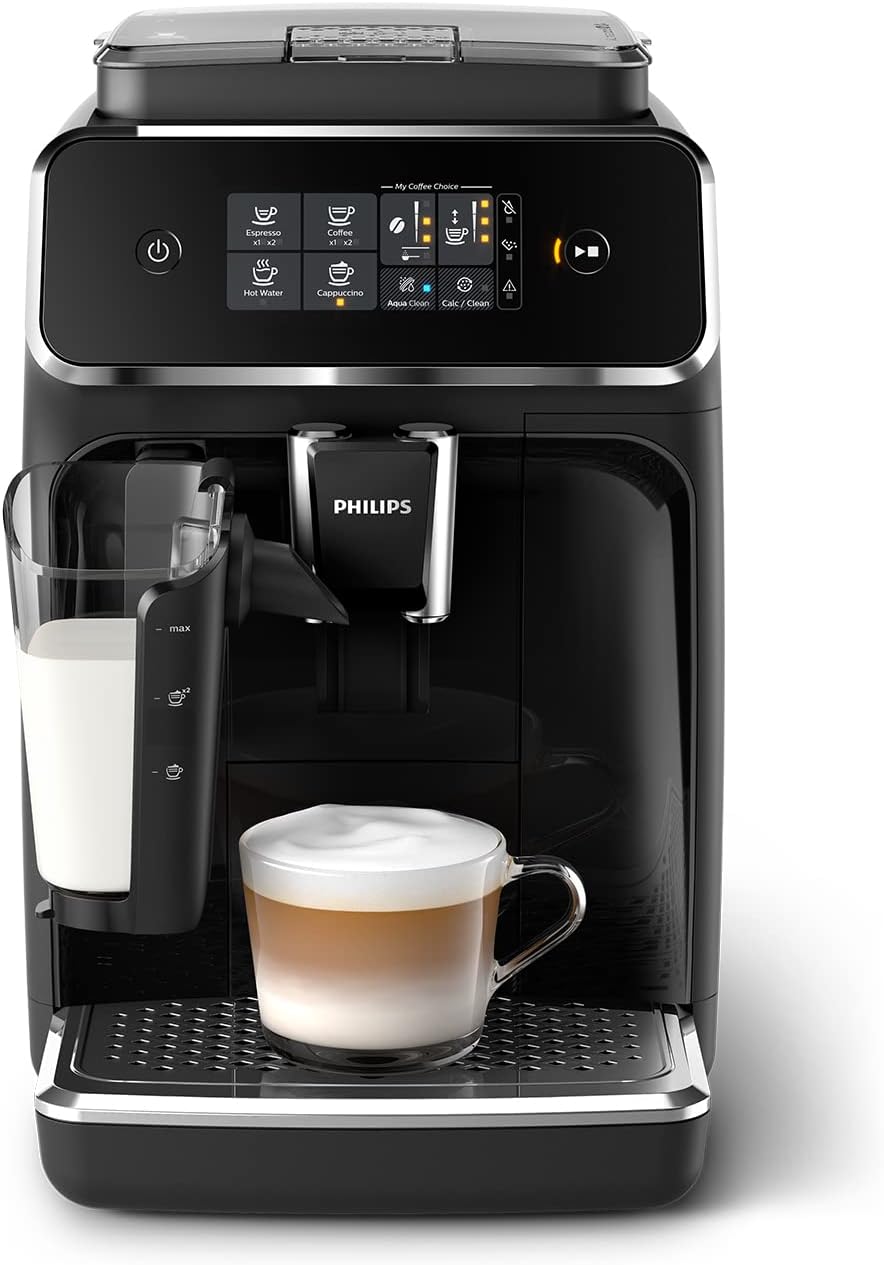
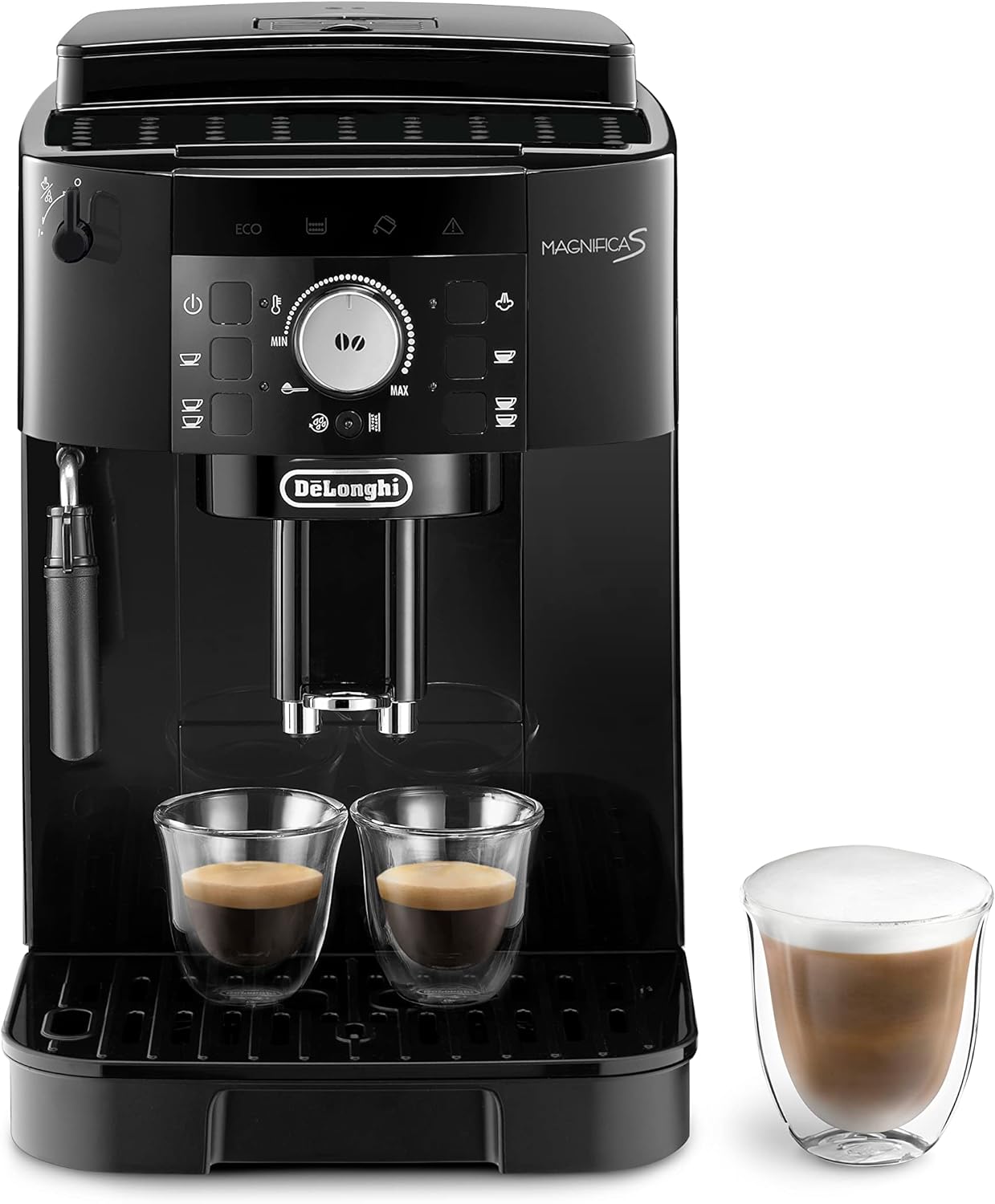
Mornings aren’t negotiable. Whether you’re someone who springs out of bed or needs three alarms to roll over, that first coffee hits different. It sets the tone. And if you’re here, you’re probably ready to stop fussing with pods or manual tamping and let a superautomatic machine handle the grind-to-cup magic. We’ve spent weeks with the Philips Series 2200 and the De’Longhi Magnifica S, and trust us—both machines have their charms, quirks, and breaking points.
At first glance, they’re neck and neck. Mid-range price, compact footprint, built-in grinders, and that promise of barista-style espresso with zero drama. But once the aroma clears, only one of them feels like the machine you’ll love living with every day. So let’s dig in—one shot at a time.
A question of touch vs tactile control
You know how some mornings you want something that just works with a tap, no guessing? That’s where the Philips 2200 starts to shine. Its touchscreen panel is clean, modern, and easy to navigate, like using a tablet when your brain isn’t quite awake yet.
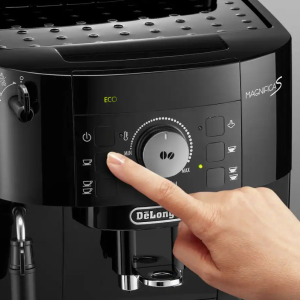
The De’Longhi Magnifica S leans old-school, with physical buttons and rotary knobs. It’s simple and reliable, but it also feels like setting a microwave from the early 2000s. No icons, no digital feedback, just dials and clicks.
Now, this isn’t about aesthetics alone. When you’re half-asleep and just want your go-to espresso, the Philips interface makes more sense at a glance, while De’Longhi requires a bit of muscle memory and attention. For some, that tactile feedback is comforting. For others, it feels like extra steps.
Brewing power? Equal pressure, different vibes
Technically speaking, both machines pack 15 bars of pressure, the sweet spot for espresso extraction. You’re going to get rich crema and balanced shots either way. Espresso quality isn’t where these two drift apart—it’s in how you control the outcome.
Philips opts for simplicity, giving you three preset temperature levels and strength controls via the digital panel. You get what you expect, and you can tweak it just enough. De’Longhi, in contrast, uses analog dials, which might give slightly finer temperature tuning—but you’ll need to pay attention and experiment.
So if you’re the type to obsess over small differences and enjoy the ritual of tuning settings manually, the Magnifica S might suit you. But if you just want your usual without fiddling around every time? The 2200 keeps it cleaner and more predictable.
Milk frothing: hands-off luxury vs barista play
Here’s where things take a hard turn. If you drink cappuccinos, lattes, or flat whites regularly, this category might be your dealbreaker.
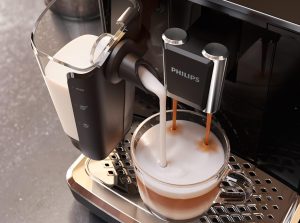
The Philips 2200’s LatteGo system is… kind of genius. It’s a fully integrated frother that whips and pours foam straight into your cup, no buttons or pitchers or steam wands required. Just fill the milk container, press a button, and it does its thing—then rinse it under the tap in seconds.
The De’Longhi? It gives you a manual steam wand. Yep, that means you’ll need a separate pitcher, some frothing technique, and a bit of patience. You can get amazing results—but only if you’re willing to do the work.
So ask yourself: do you want to froth milk manually at 7 a.m.? Or would you rather just press “cappuccino” and sip in peace?
What drinks can you make—without thinking?
The Philips 2200 is generous with its presets. Espresso, lungo, cappuccino, hot water—all at a tap. And if you like switching up your routine or live in a house where everyone orders something different, that variety adds up fast.
The Magnifica S sticks to the basics: espresso, long espresso, and hot water. No built-in cappuccino or latte option—you’ll need to froth manually and combine. Again, it’s a little more labor, a little more finesse.
If variety matters and you want one-touch milk drinks, the Philips makes it stupid easy. If you stick to espresso and don’t mind getting involved, De’Longhi holds its ground.
Grinder game: ceramic precision vs stainless toughness
This is one of those under-the-hood details that doesn’t grab attention—until it does.
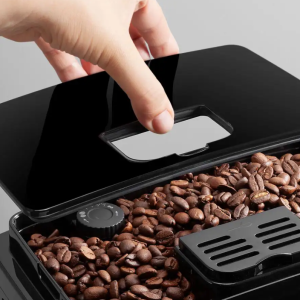
Philips uses a ceramic burr grinder with 12 grind settings, which means it stays sharper longer and won’t overheat beans, preserving more flavor oils and aroma. That makes a noticeable difference if you’re into nuanced single-origin beans.
De’Longhi equips the Magnifica S with a stainless steel grinder and 13 settings. It’s durable and efficient, but stainless burrs can warm up slightly during extended use, possibly dulling some of the finer flavor notes. Most casual users won’t notice, but if you’re picky about coffee flavor, ceramic may edge ahead.
Either way, both machines give you enough grind flexibility to suit your beans and taste. But we found the ceramic system a little quieter and more consistent.
Tank size, bean capacity, and those little refill rituals
If you’re churning out multiple drinks a day, capacity matters.
Both machines carry a 1.8-liter water reservoir, which is plenty for a couple of days’ worth of coffee. But Philips sneaks in a slightly bigger bean hopper—275 grams vs De’Longhi’s 250 grams. It’s not a game-changer, but if you’re lazy about topping up beans (we are), it helps.
Both also include a bypass doser, so you can switch to pre-ground coffee when needed—great for decaf nights or sneaking in a specialty roast without cleaning out the hopper.
So yeah, small win for Philips in the convenience column again.
Cleaning up: we love coffee, not cleaning it
Here’s where daily usability really gets tested. Because a machine that makes great coffee but turns into a chore every night? That’s not sustainable.
Philips kills it with the LatteGo system. There are no tubes, no fiddly parts. It’s two pieces you can rinse in 10 seconds. The brew group pops out easily, and the machine walks you through rinsing and descaling.
De’Longhi requires a bit more elbow grease. The steam wand needs to be wiped and purged after every use, and while its brew group is also removable, cleaning the milk system becomes a manual task. If you froth milk daily, you’ll feel it.
Both have auto-rinse cycles and descaling alerts, but Philips is the clear winner for lazy or busy users. Or, you know, both.
Personalizing your brew: clarity or control?
Both machines let you adjust strength, volume, and temperature. But how you do it makes a big difference in how it feels to use.
Philips uses a touchscreen with levels you can see and save. You know exactly what strength you’re setting, and the presets stick until you change them. Easy.
De’Longhi gives you more analog control, but that also means less feedback. You turn a dial, taste the result, and adjust again. Great if you like tinkering. Not great if you just want to hit “go” and move on.
We’re not saying one is better—just know Philips is simpler and more transparent, while De’Longhi lets you play with more nuance.
Build quality: who feels tougher?
Both machines are mostly plastic on the outside, which keeps them light and compact. But the internal components—heaters, pumps, grinders—are solid.
De’Longhi feels a bit more industrial, maybe due to its mechanical design. The buttons, knobs, and body have a chunkier, more rugged feel.
Philips is sleeker, with softer lines and a more modern aesthetic. But that also means it might feel slightly more delicate to the touch.
Either way, with proper maintenance, both machines will go the distance. But if you tend to knock things around or like a more hands-on interface, De’Longhi might take a few more hits.
Day-to-day life with each machine
Let’s zoom out for a second. The Philips Series 2200 is clearly built for speed, convenience, and low effort. It wants to do the work for you. Want a cappuccino at 6:30 a.m.? Tap, wait, done. Want to clean the milk system before heading out? Rinse, pat dry, peace.
The De’Longhi Magnifica S asks more of you. But it also rewards that involvement. You feel like you’re making the coffee, not just ordering it from a machine. The trade-off? It takes more time, more cleanup, and a bit more patience.
One gives you efficiency. The other gives you ritual.
So which one wins?
We’ve danced around it long enough. For most users, the Philips Series 2200 just makes more sense. The automatic milk frothing, touchscreen controls, preset drinks, and painless cleanup make it a better fit for modern kitchens and busy routines.
De’Longhi’s Magnifica S is still a strong contender. If you’re the kind of person who prefers doing things manually—dialing in shots, steaming milk, adjusting grind settings with a keen eye—it offers an experience that feels closer to traditional espresso making.
But let’s be honest. Most people want their coffee fast, good, and with as little hassle as possible. And in that scenario?
The Philips Series 2200 doesn’t just win—it takes over your morning like it was born to.