


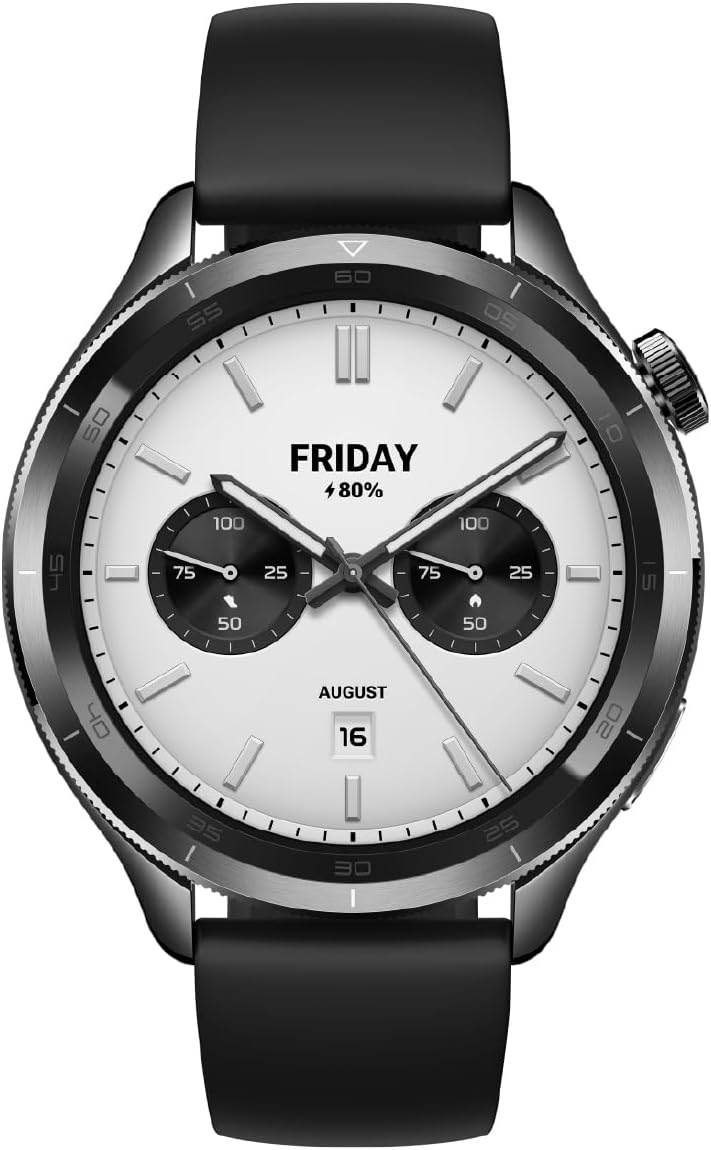
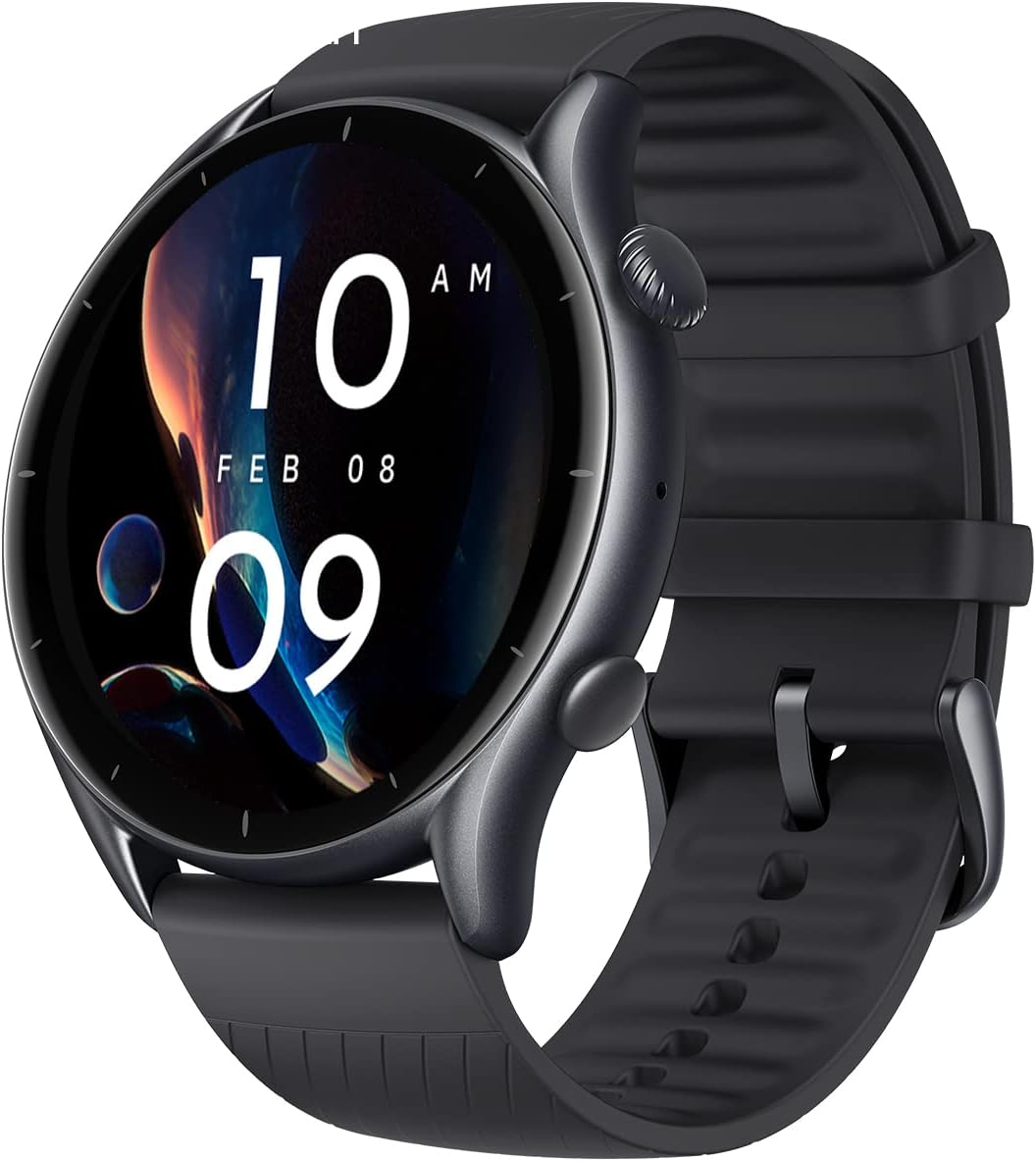
Sometimes you just want a watch that gets it right. Not an explosion of features, not some overhyped gadget that promises to change your life—just something that feels better, smoother, more put together. That’s exactly the itch we felt when we strapped on the Xiaomi Watch S4 after spending a good stretch with the Xiaomi Watch S3. We weren’t looking for a reinvention of the wheel. We just hoped for a watch that ironed out the little kinks, those minor annoyances that quietly pile up.
And yeah, we had our doubts. The S3 already nailed so many basics—a solid AMOLED display, long battery life, customizable bezels—so the idea of a sequel had us curious but also a bit skeptical. Would it be worth the jump? Or just a repeat with a fresh coat of paint?
So we put both watches to the test, wore them for days, dug through settings, sweated through workouts, and yes—stood outside in the sun squinting at notifications. If you’re wondering whether the S4 really changes your daily experience, here’s what we found when it came down to using them in real life.
Display and brightness: the outdoor game-changer
We didn’t expect to notice the screen difference so fast. Both watches have a 1.43-inch AMOLED panel, and on paper, that sounds like more of the same. But once you hit daylight, the contrast becomes unmissable.
The Watch S4 peaks at 2.200 nits of brightness, with a typical brightness level of 1.050 nits, while the S3 maxes out at just 600 nits. That’s not just a stat—it’s the difference between comfortably checking a message in full sunlight or awkwardly tilting your wrist, hunting for shade.
The size and resolution might be the same, but the usability isn’t. That extra brightness makes the S4 feel sharper, more legible, and just plain easier on the eyes—especially when you’re outside running or biking. And no, you don’t need to crank it to max to notice the improvement. Even mid-level brightness on the S4 already outshines the S3.
Controls and interface: a smarter way to scroll
Here’s something we didn’t think we’d care about until we tried it: the controls. At first glance, the two models look almost identical—the S4 measures 47.3 x 47.3 x 12 mm, just a touch bigger than the S3’s 47 x 47 x 12 mm, and the weight difference is half a gram. You’re not going to notice that on your wrist.
But the way you interact with them? That changes everything.
The S3 uses two flat buttons, while the S4 swaps in a rotating crown plus a single button, and wow does that make a difference. The crown makes scrolling through menus feel natural, like you’re not even thinking about it. Adjusting volume, flipping through notifications, setting timers—it’s all faster and smoother.
This one change completely changes how intuitive the watch feels to use. We’re not saying the S3 was clunky—but next to the S4, it does feel like stepping back in time a bit.
Customization: same idea, just smarter
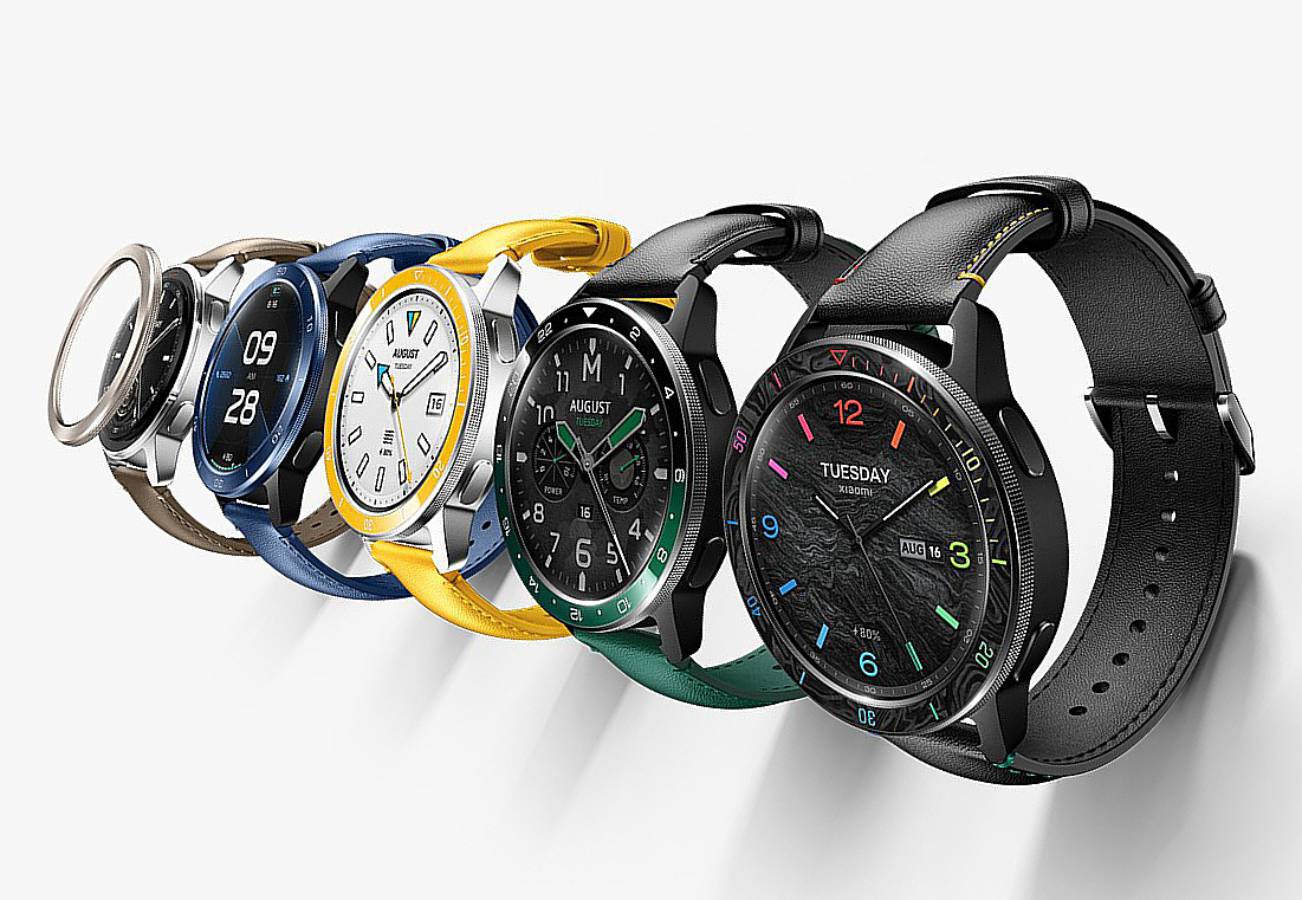
Xiaomi fans love personal touches, and thankfully both watches let you swap bezels. That feature sticks around in the S4, which we appreciated. But again, it’s the little tweaks that matter here.
The S4 has a redesigned locking system for the bezels that’s more secure, and that’s not just nice for peace of mind—it’s functional. No more worrying if your bezel might come loose in the middle of a workout. Even better, there’s now a drop detection feature that pings you if the bezel isn’t properly seated.
We didn’t know we needed that. But once it saved one of us from losing a bezel while getting off the train? Yeah. Now we expect it.
Connectivity: small but smart upgrade
Not flashy, not headline-making, but worth pointing out: the S4 steps up to Bluetooth 5.3, while the S3 sits at Bluetooth 5.2. Is this going to change your life? No. But Bluetooth 5.3 offers better energy efficiency and a slightly more stable connection.
That means fewer sync interruptions, especially when you’re out running with wireless earbuds or syncing health data post-workout. It’s the kind of thing you forget about—until it breaks. And with the S4, it just breaks a little less.
Battery life: no surprises here
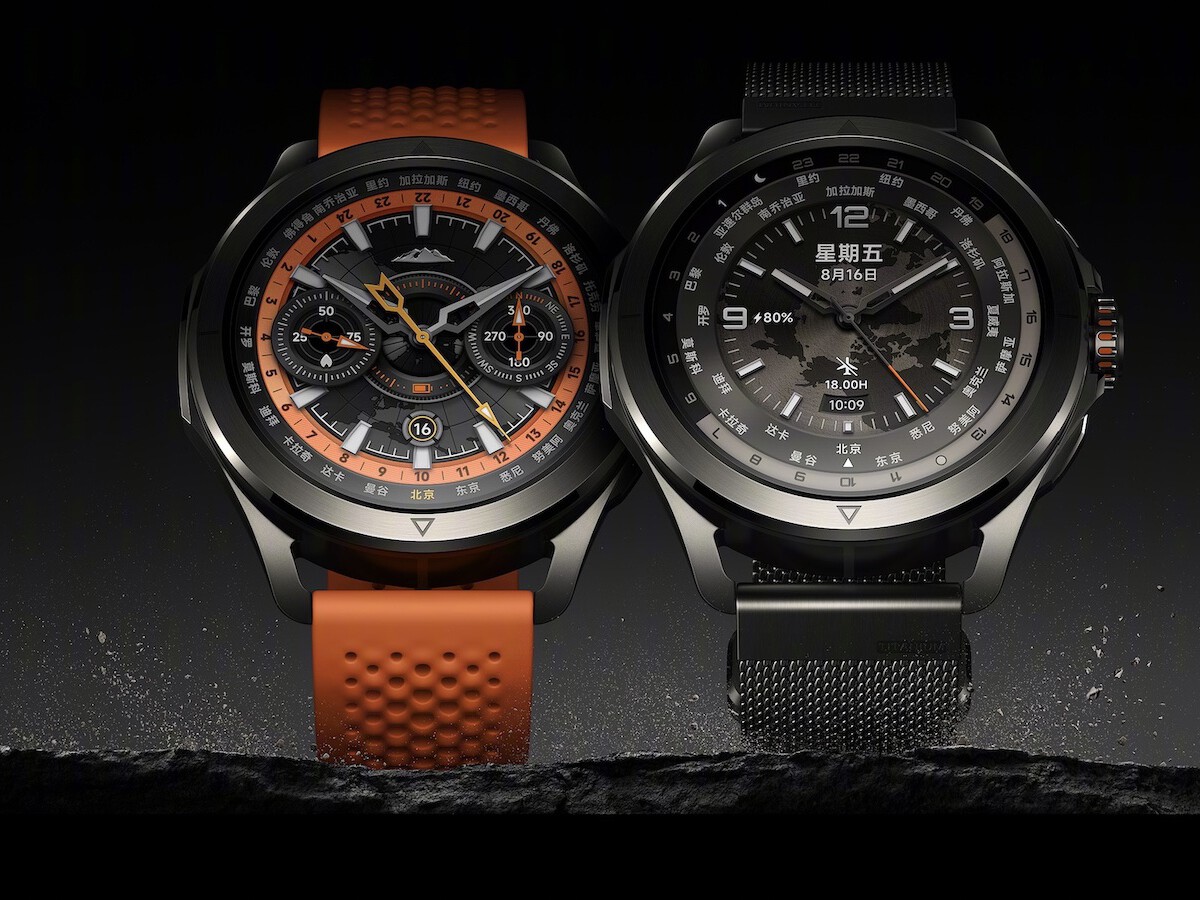
This one’s a draw. We had a hunch, and usage confirmed it: both watches give you up to 15 days of battery life under standard conditions. Push them hard, switch on the Always-On Display, and that drops to about 5 days. Nothing has changed here.
But that’s not a complaint. The S3’s battery life was already one of its strongest points, and Xiaomi clearly decided not to mess with it. Smart move. Even with heavier GPS use and continuous health tracking, we never found ourselves charging more than twice a month—unless we were testing everything back to back.
Health and fitness tracking: tweaks, not overhauls
This is where we expected some fancy new sensor or flashy feature—and didn’t get one. Both the S3 and S4 come with heart rate tracking, sleep analysis, SpO2 measurements, stress monitoring, and multiple sports modes. No changes on the spec sheet.
But the difference shows up during high-intensity training. The heart rate tracking algorithm on the S4 has been refined for more accuracy, especially when movement gets erratic. Think sprints, kettlebell swings, or anything that isn’t steady cardio.
It’s hard to prove with exact numbers unless you’re wearing a medical-grade device, but in our experience, the S4 gave fewer weird spikes and less jittery data. So if you’re into fitness, that little algorithm tweak might make your post-workout charts just a bit more trustworthy.
As for location tracking, both watches use dual-band GNSS, so runners and cyclists get solid GPS accuracy without needing to carry a phone. That’s a feature that still feels pretty premium in this price range.
Everyday usage: more fluid, less friction
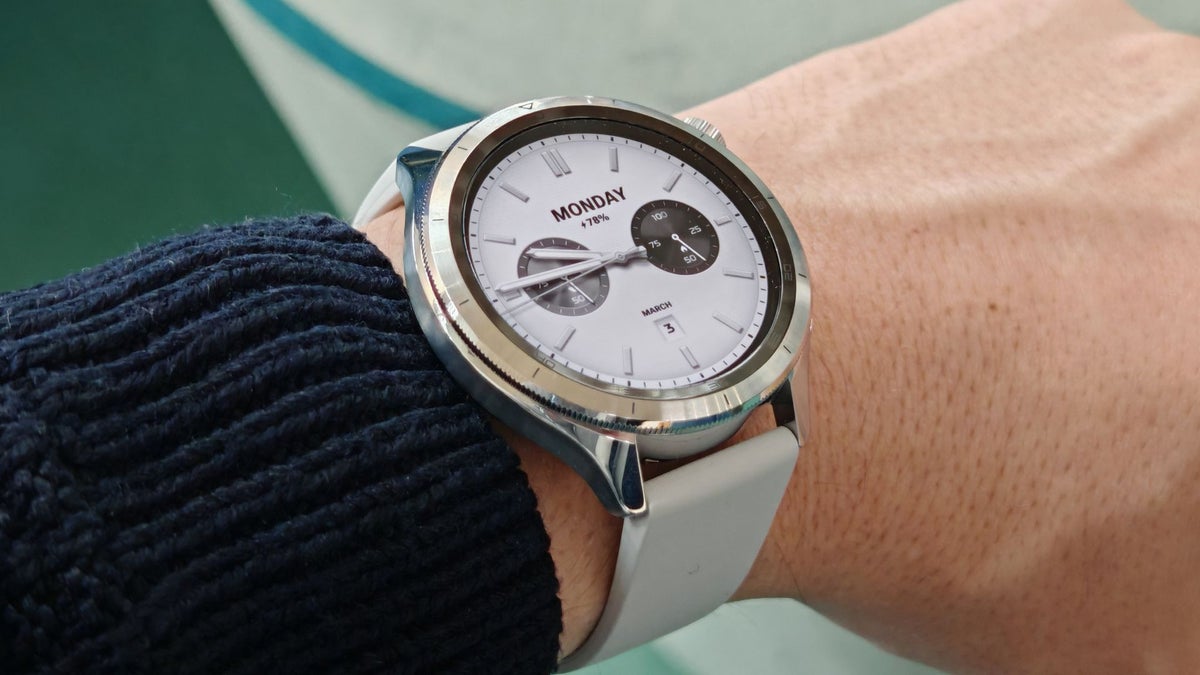
It’s funny how a watch that looks nearly identical to its predecessor can feel completely different in daily use. The big three reasons? Brightness, controls, and micro-features.
We found ourselves gravitating toward the S4 more and more, simply because it was easier. Navigating the UI was quicker, viewing the screen outdoors was effortless, and even small touches like bezel alerts added a layer of polish.
No, there’s no dramatic leap here. But that’s kind of the point. The S4 takes what was already good and smooths out the bumps. The result? Less friction in your day. And with a smartwatch, that’s the thing—you don’t want to think about it. You want it to work, to disappear into your routine.
Final thoughts: this is how you do a sequel
We didn’t expect to say this, but yeah—the Xiaomi Watch S4 makes the S3 feel dated. Not broken, not bad—just like a prototype that’s been gently but meaningfully upgraded.
That 2.200-nit display alone shifts the experience in bright environments, and when you pair it with the rotating crown, the upgraded Bluetooth, and the smarter bezel system, it adds up to a watch that simply feels finished.
We’ll be honest: if you already own the S3 and you’re happy with it, there’s no urgent need to run out and replace it. But if you’ve been feeling those little frustrations—like poor sunlight visibility or clunky controls—the S4 quietly fixes almost all of them.
We came in thinking this would be a side-grade. Maybe just a design refresh. But now? Now it’s hard to go back. The S3 isn’t outdated, but it feels it. The S4 is just smoother, smarter, and more enjoyable to live with, day in and day out.
Maybe not revolutionary. But that’s okay. Sometimes, what you need isn’t a revolution—it’s a product that finally feels done.