


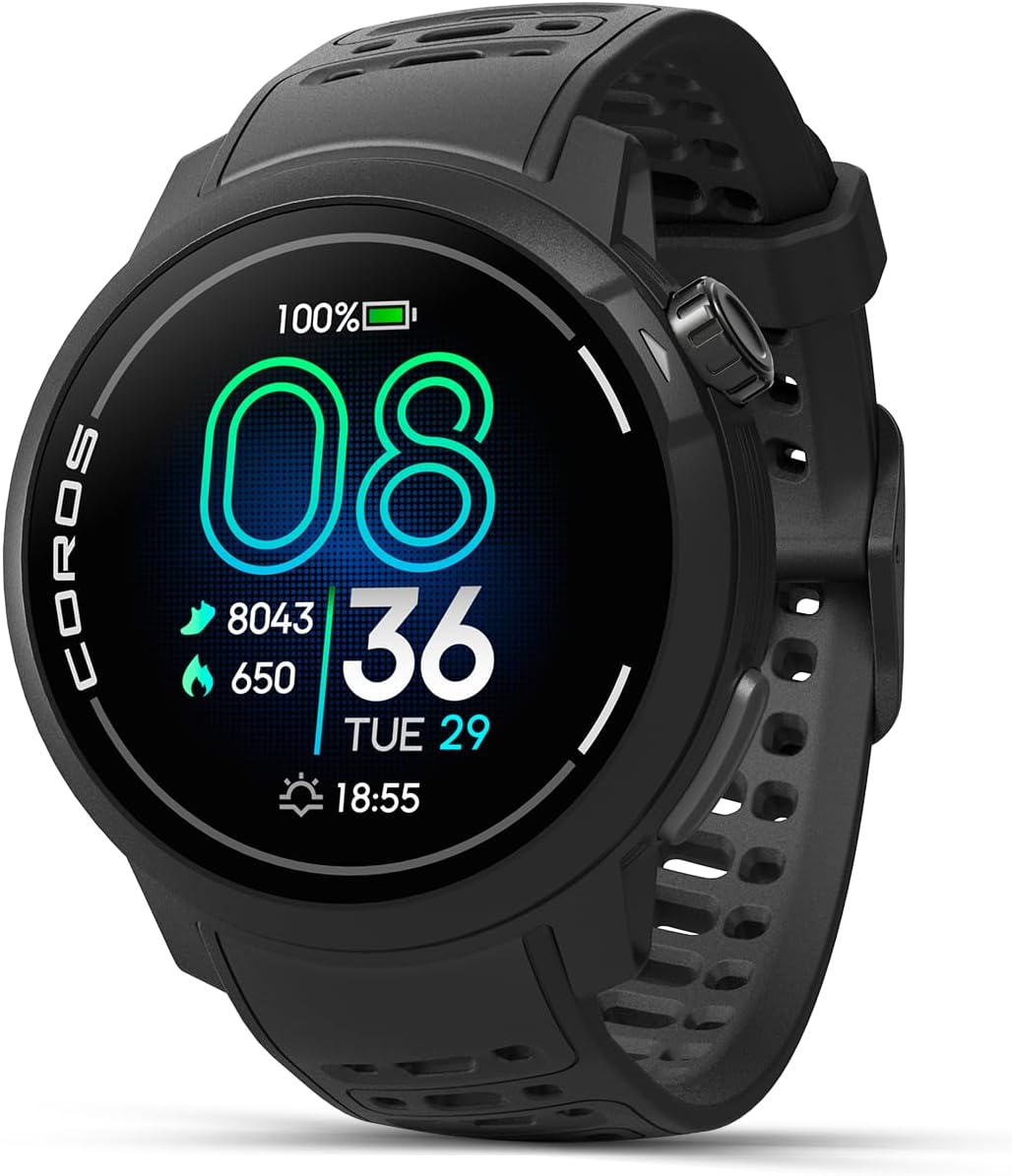
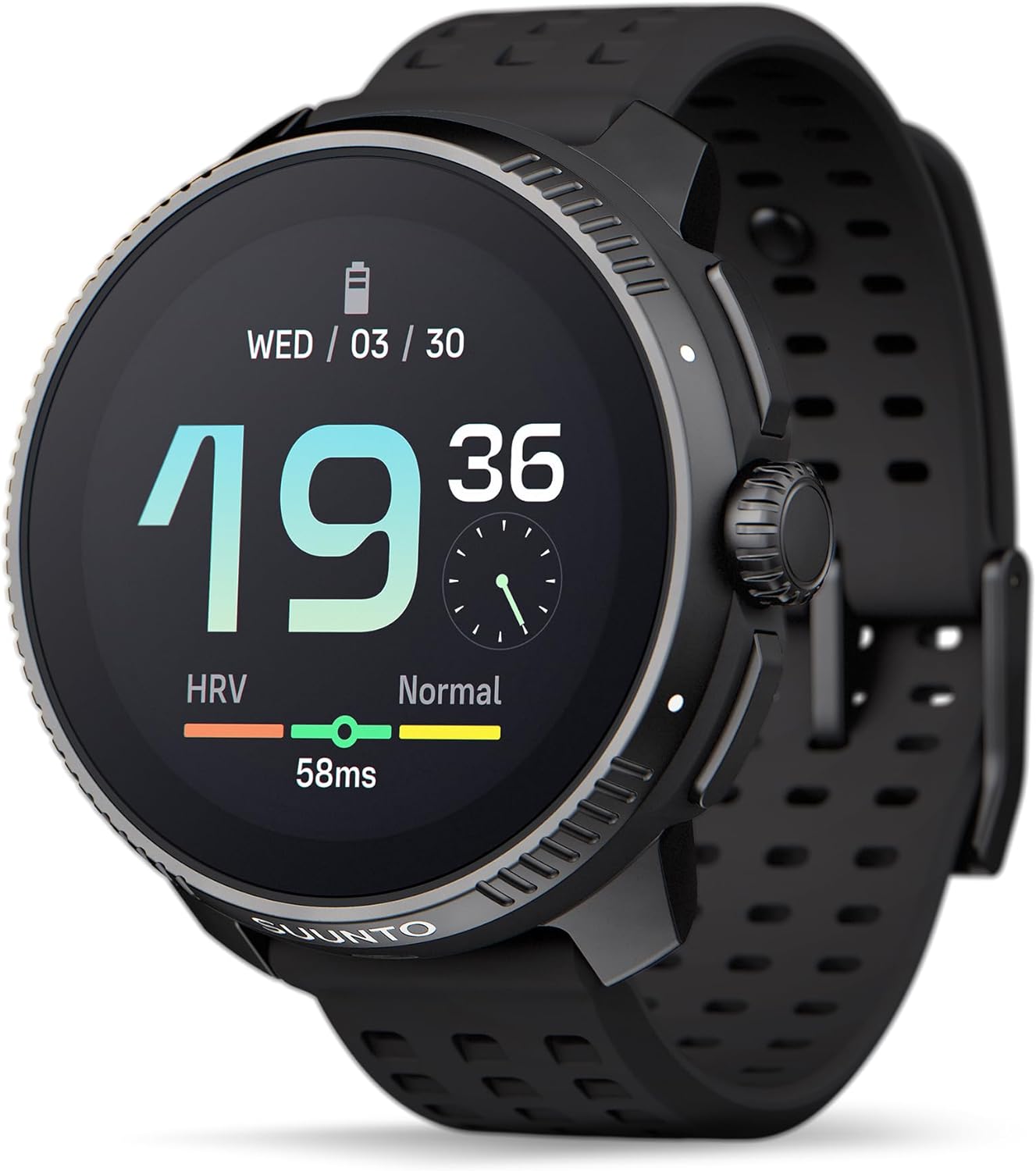
You know that moment when you strap on a new sports watch and your wrist immediately tells you whether you’re going to get along or not? That gut check, that instant read—it doesn’t lie. We felt it the second we switched between the Coros Pace Pro and the Suunto Race S, and honestly, it was like comparing two runners with completely different rhythms. Both solid. Both trained. But one just feels more natural to run alongside.
At first glance, you’d think these two watches were twins separated at launch. AMOLED displays, dual-band GPS, offline maps, solid health tracking, and battery life that stretches over a week—they check the same boxes on paper. But as we wore them day after day, in the gym and on the trail, the differences started to speak louder.
This isn’t just about who wins in a spec sheet battle. This is about which one feels better to use, which one disappears on your wrist when you’re in the zone, and which one has those subtle details that make your everyday training just flow. So let’s get into it.
Build and comfort: size isn’t everything, but feel is
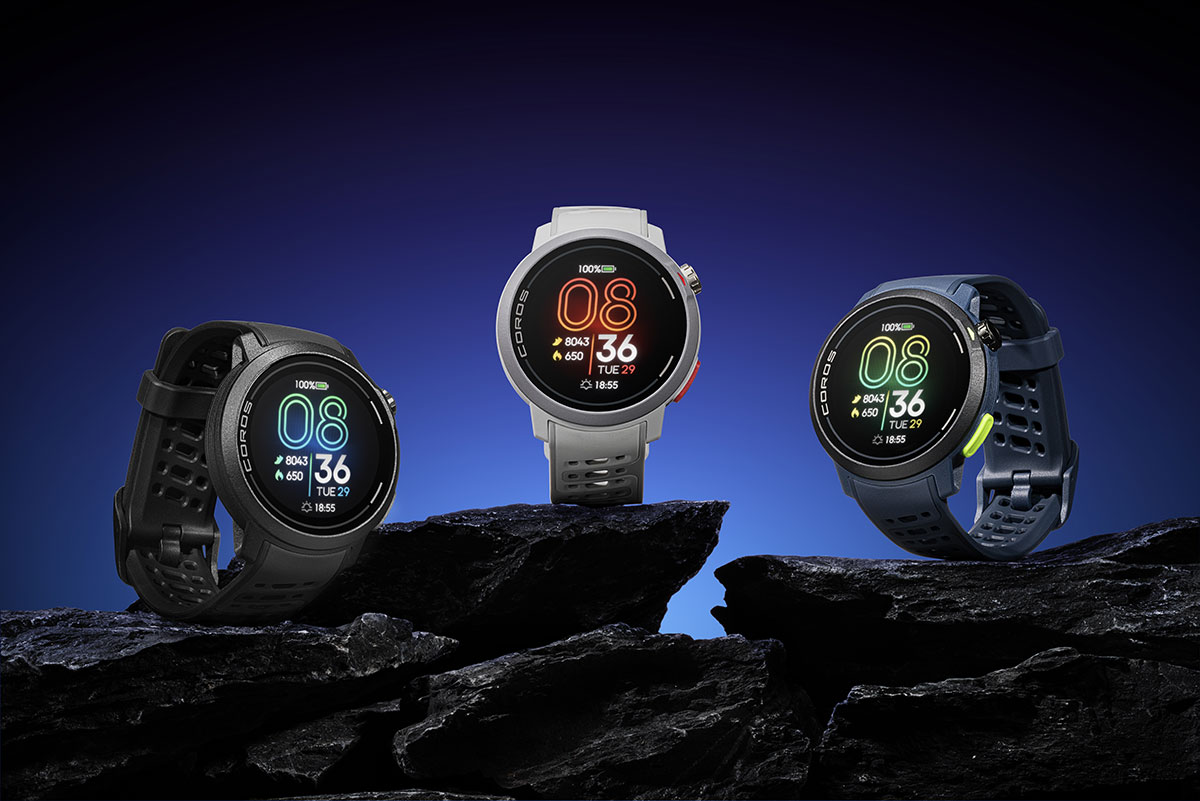
Here’s where things get interesting. The Coros Pace Pro comes in at 46 x 46 x 14.15 mm and weighs 49 g, while the Suunto Race S is slightly smaller at 45 x 45 x 11.4 mm but heavier at 60 g. That sounds backwards, right? A bigger watch that weighs less?
That’s because the Coros goes full polymer, hardened and reinforced but light as hell. The Suunto, on the other hand, throws in a stainless steel bezel, which gives it a tougher, more premium look—but it adds bulk. You do feel that extra weight, especially if you wear the watch overnight or during long sessions.
There’s also the fit. The Race S curves more naturally around the wrist, while the band attachment on the Pace Pro juts out just enough to create a small gap. That gap won’t ruin your day, but it changes how the watch settles on your skin. One’s a hug; the other’s a firm handshake.
Display clarity and toughness: glass matters
Both watches pack gorgeous AMOLED screens, and size-wise, we’re splitting hairs. 1.3 inches on the Pace Pro (416 x 416) vs 1.32 inches on the Race S (466 x 466). But what’s covering that screen matters more.
The Race S uses Gorilla Glass, which is known for handling knocks and drops like a champ. Meanwhile, the Pace Pro opts for chemically strengthened mineral glass, which is fine against scratches but doesn’t love concrete.
That said, the UI on the Pace Pro feels sharper—not just visually, but in how it responds, and that’s likely down to the processor (we’ll get to that in a second). Map animations, swiping, loading times—it all feels quicker and more fluid. So while the Race S might be a little better protected, the Pace Pro offers a smoother view.
Processing power: this one’s not close
If there’s a single area where you feel a clear divide, it’s performance. The Pace Pro has a next-generation processor that’s a full step ahead of the Race S. Everything just reacts faster. From switching modes to scrolling through menus, there’s no lag.
The Race S isn’t slow, let’s be clear—but when you use them side by side, the Coros just feels more modern. Like one’s using today’s hardware, and the other is hanging onto last year’s.
Map rendering is a big tell—loading routes and zooming in on details happens instantly on the Pace Pro. On the Race S, there’s a slight pause, especially when loading new areas.
GPS accuracy: they both show up strong
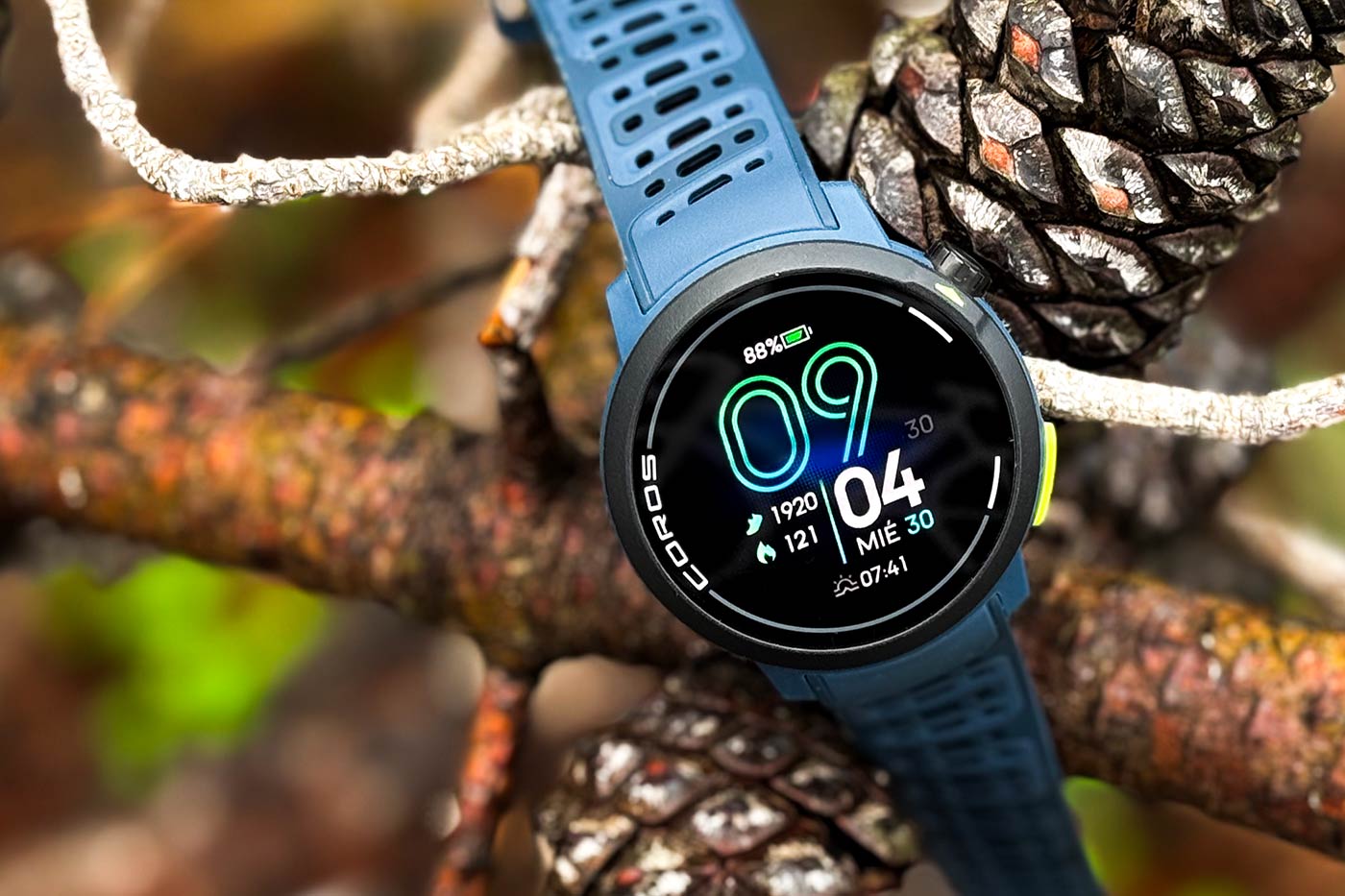
We expected this to be close, and it is. Both use dual-frequency GNSS and cover five satellite systems, so if you’re hitting tree-heavy trails, canyons, or urban dead zones, you’re well supported.
That said, the Coros Pace Pro delivered slightly cleaner track lines, especially when we ran out-and-back routes. You could literally see how well it aligned your outbound and return paths. The Race S occasionally had minor wiggles or drift, nothing dramatic, but enough for us to raise an eyebrow.
Is that a dealbreaker? No. But if precision matters to you—if you’re training for a race or tracking PR splits—the Pace Pro just gives you a little more confidence in the data.
Heart rate data: more sensors, smoother charts
Here’s where hardware differences matter again. The Pace Pro has five LEDs and four photodetectors, compared to the Race S with three LEDs and four photodetectors.
That extra sensor coverage pays off. During high-intensity sessions—think intervals or hills—the Pace Pro stayed smoother, with fewer unexplained spikes. The Race S kept up most of the time, but we noticed occasional jitters, especially in the recovery windows.
For steady-state cardio, they’re both solid, but if your workouts involve sharp changes in intensity, the Pace Pro just reads more reliably.
Battery life: Coros wins the long game
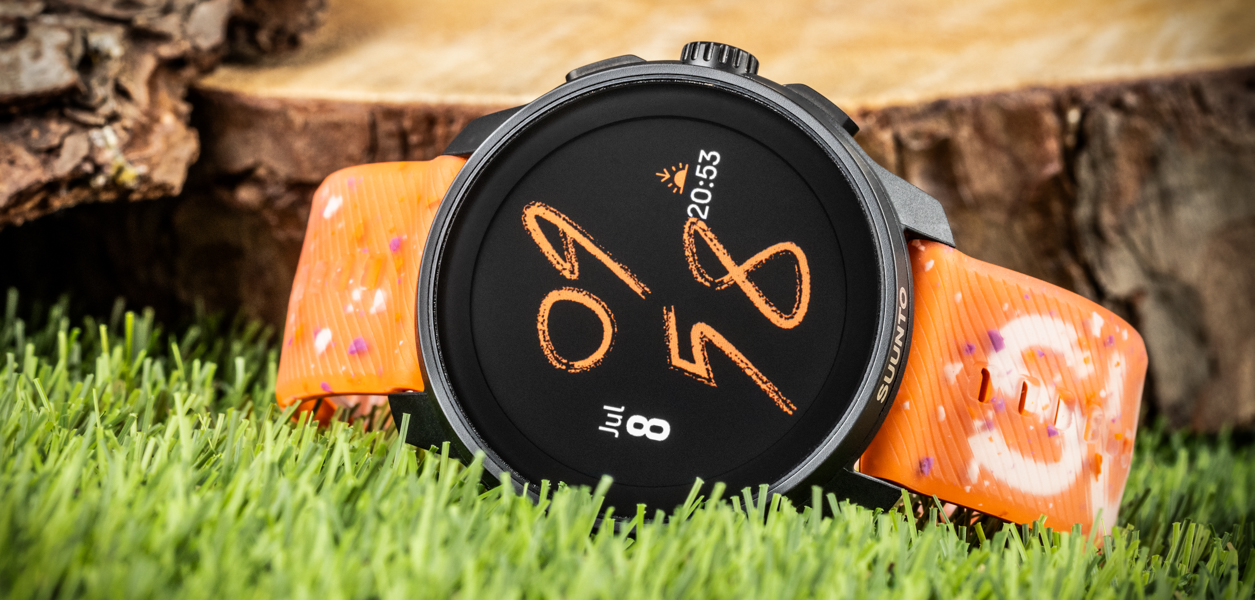
On GPS alone, it’s neck and neck. 31 hours on dual-band for Coros, 30 hours for Suunto. Flip to all-systems GPS, and the Race S squeezes out 40 hours, just ahead of Coros at 38.
But here’s where Coros pulls ahead: daily wear. The Pace Pro can go up to 20 days as a smartwatch, while the Race S taps out around 13. And it’s not just a claim. We wore both through the same routines—notifications on, daily tracking, a few workouts per week—and Coros always had more juice left at the end of the week.
You can feel it too. You glance at the battery icon less. You don’t plan your charging days. It just lasts.
Navigation and maps: efficiency over extravagance
Both watches let you load GPX routes, use turn-by-turn navigation, and view offline global maps. Functionally, it’s a tie. But not all maps are built equally.
The Pace Pro’s maps are wildly efficient—a full region like Colorado takes up around 65 MB, compared to over 1.2 GB on the Race S. That means less time syncing and less storage wasted.
And again, the processor in the Coros makes map use feel way snappier. Scrolling is quicker, loading is smoother, and zooming doesn’t feel like a chore.
Both apps offer route building, but the Coros app is just faster and easier to navigate. The Suunto app has more advanced analytics (which we’ll get to), but if you just want to plan a trail run tonight, Coros makes it painless.
Bonus features: little surprises, big difference
This was unexpected: the Suunto Race S has a built-in flashlight. It’s just the screen maxing out its brightness, but wow—it’s surprisingly useful. Whether you’re fumbling for socks in a dark room or navigating a campsite pre-dawn, it’s one of those features you never thought you needed until it’s there.
Coros doesn’t have a flashlight, but it does have auto-sync with your phone’s “Do Not Disturb” mode, which we loved. It’s small, but when you’re in bed or in a meeting, you don’t want to deal with setting DND manually on two devices. Suunto makes you do that.
Both have 32 GB of storage, which is more than enough for maps, music, and routes. Nothing to separate them there.
Durability and resistance: they’re both ready to suffer
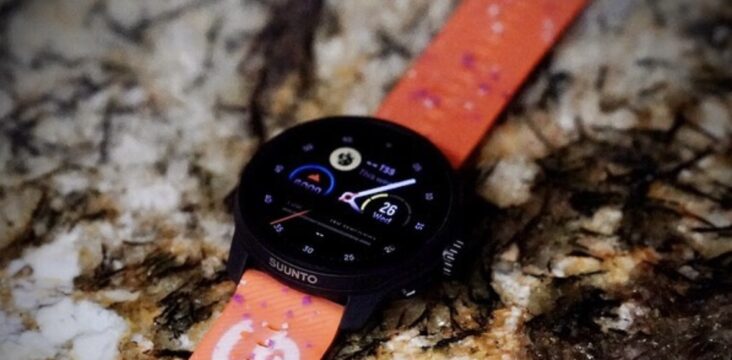
Both watches are rated for water resistance up to 50 meters, and both can handle extreme temperatures ranging from -20°C to 50°C. We wore them through frosty mornings and sunny, sweaty hill repeats without a hiccup.
The materials differ—stainless steel on the Race S gives it a tougher, more premium feel, while Coros bets on weight-saving polymers. One feels fancier; the other feels faster. Take your pick.
App experience: depth vs speed
This one’s a toss-up, depending on what you care about. The Suunto app goes deep. Training metrics, trend analysis, recovery estimates—it’s all there, and it’s presented beautifully. But it’s not the quickest app, and syncing can take a moment.
The Coros app is the opposite: lightning-fast and intuitive, but not quite as rich in advanced analytics. You get the essentials fast. You’re in and out in seconds. For casual and intermediate users, that matters.
If you’re someone who geeks out over data post-run, Suunto might appeal more. If you just want to see your splits and get on with your day, Coros wins.
So… which one actually gets the job done better?
Okay. Let’s be real. The Suunto Race S is a classy, capable watch, no doubt. That stainless steel bezel gives it a more premium vibe, and the flashlight is the kind of clever feature you start using without thinking. The Suunto app is deep and thoughtful. It’s a great training companion.
But once you’ve lived with both, the Coros Pace Pro just makes everything feel easier. It’s lighter, faster, and more responsive. Battery life is longer, maps are quicker to load, and heart rate data is smoother. Add in snappier performance and a simpler app, and it starts to feel like the Coros is doing less to slow you down.
We didn’t expect it to be such a clear decision, honestly. But the Pace Pro just slips into your routine more naturally. It’s not shouting for attention—it’s quietly keeping up, doing its job, and leaving you free to focus on the run, the ride, the climb.
Is it perfect? No. But if you’re choosing a performance-first sports watch right now, the Coros Pace Pro makes the better case. It’s faster, smarter, and more consistent.
And at the end of a long run, when you’re tired and sweaty and checking your splits? That difference matters more than you think.