


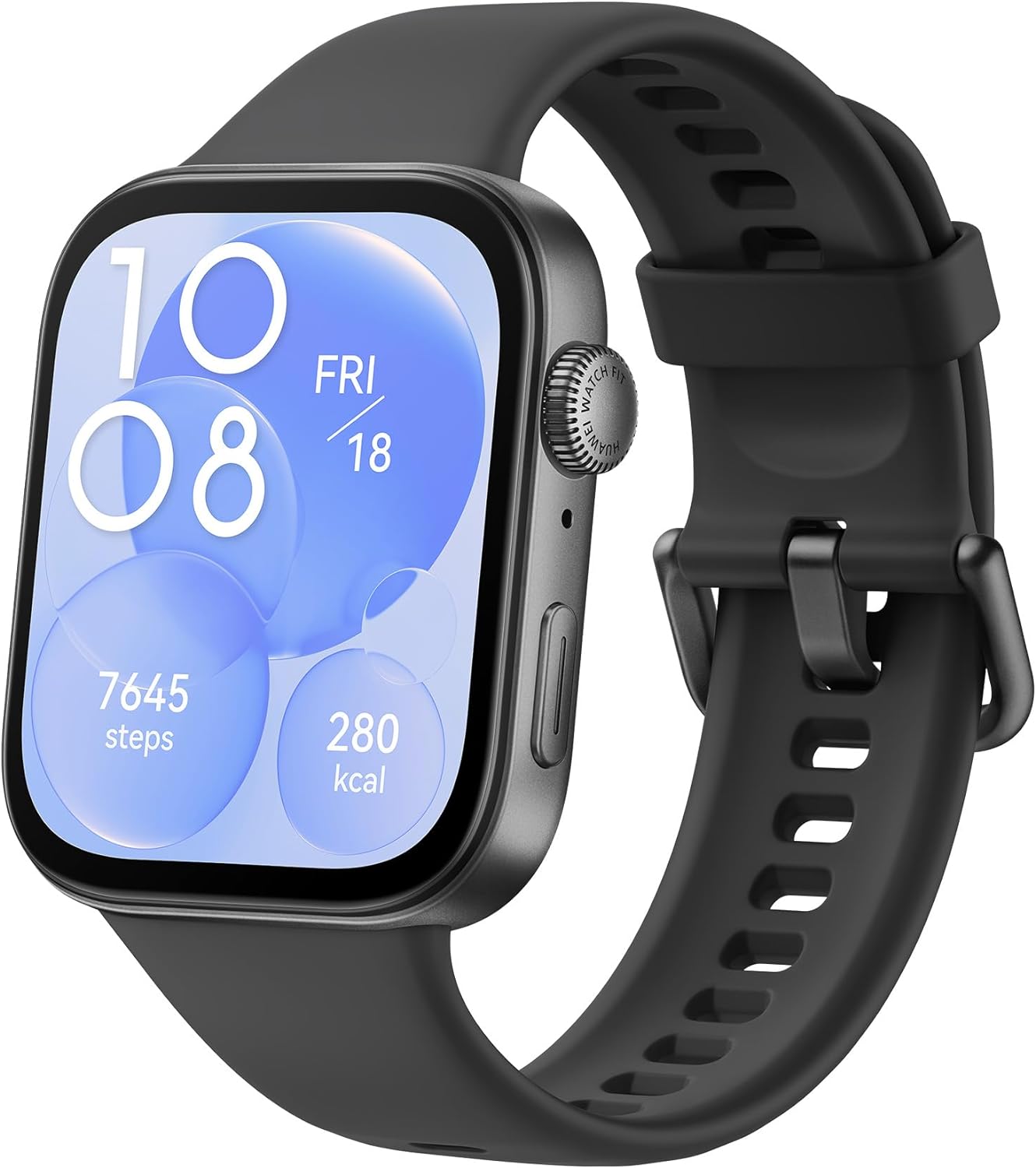
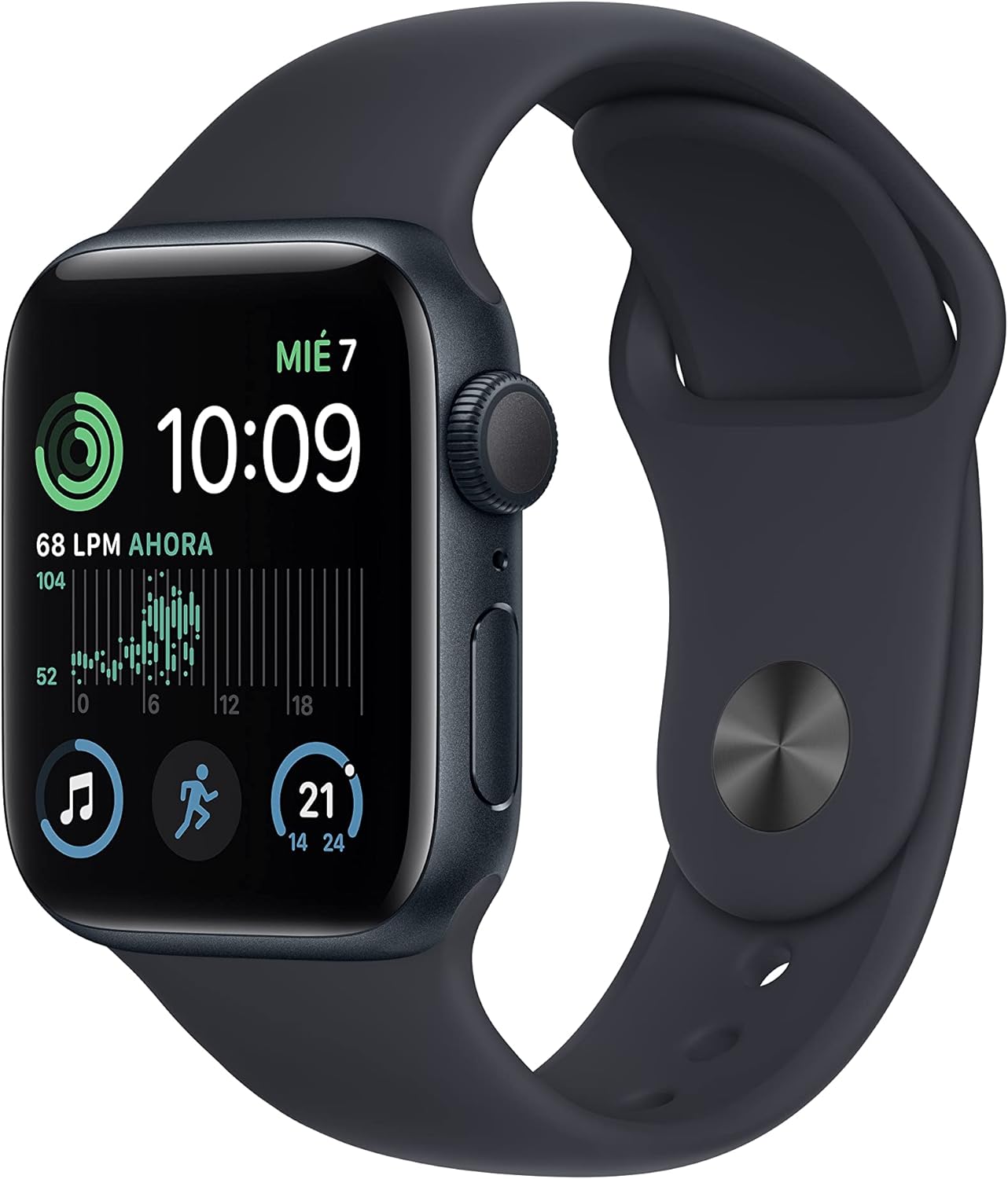
You want a smartwatch that fits your life—not one that makes you adapt to it. That’s exactly the feeling we got when switching between the Huawei Watch Fit 3 and the Apple Watch SE 2nd Gen. At first glance, they look like cousins at the same family reunion—square designs, flashy displays, and fitness features galore. But once you wear them, live with them, sweat with them, and try to sleep with them… the differences start shouting.
And they matter.
We’ve spent time with both on wrists, in gyms, in meetings, and even while forgetting to charge them overnight. So let’s dig in and break this down, because what looks similar on the outside becomes a very different experience when it’s your daily companion.
Design that speaks your language—or doesn’t
Right out of the box, you notice it. The Huawei Watch Fit 3 is sharper, cleaner, more modern—almost like a phone screen wrapped around your wrist. And the numbers tell the same story: just 26 grams in weight, with a slightly thicker 10.7 mm frame that somehow still feels feather-light. That weight, or lack thereof, makes a difference on long days and longer workouts.
Meanwhile, the Apple Watch SE 2nd Gen brings the familiar curvy, rounded-edge design, and at 39.8 grams for the 44 mm model, you’ll definitely feel it more. It’s sleek, sure, but if comfort is your priority, the SE can start to feel chunky after a few hours—especially compared to the floaty feel of the Fit 3.
Both are rated at 5 ATM, so pool sessions and sweaty runs are no problem. Apple does offer more luxurious band options, but Huawei makes it easier to swap straps, and their default fluoroelastomer options feel built for action, not show.
So yeah, the SE looks like tradition. The Fit 3? That’s the one that feels ready to move.
Display: when brightness becomes freedom
Let’s get to the thing you’ll stare at all day: the screen. And honestly, the Huawei Watch Fit 3 absolutely blows the SE out of the water here.
1.82-inch Hybrid AMOLED with a peak brightness of 1.500 nits. Read that again. That means blazing sunlight, beachside strolls, outdoor runs—whatever—you’ll see it clearly. And yes, it supports Always-On Display, so you don’t have to twist your wrist like a magician to check the time.
The SE? It’s still using that 1.78-inch Retina LTPO OLED panel, and while it looks fine indoors, brightness maxes out at 1.000 nits, and—this one stings—there’s no Always-On Display at all. None. For a watch released this recently, it feels like a weird omission.
For outdoor visibility and quick glances, the Huawei wins without blinking.
OS and compatibility: open or locked in?
We need to talk ecosystems. And you probably already know where this is going.
The Huawei Watch Fit 3 runs HarmonyOS 4.2, and that means it plays nicely with Android, iOS, and Huawei phones alike. It doesn’t care what phone you have, which is something we genuinely appreciate.
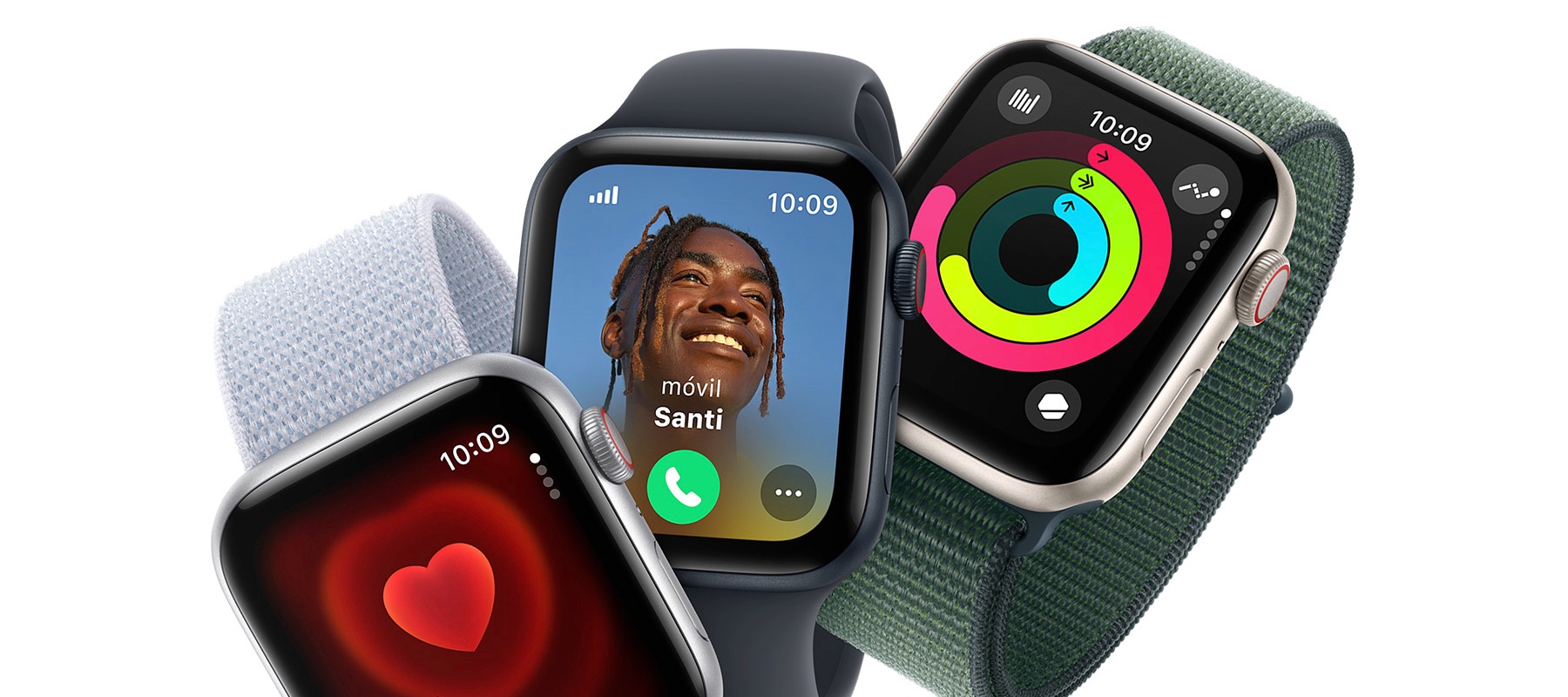
On the flip side, the Apple Watch SE 2 only works with iPhones. Period. No Android. No Windows. Nothing else. So if you’re not deep in Apple’s garden already, forget it.
Of course, watchOS is buttery smooth, and the integration with Apple services—Messages, Siri, Wallet—is hard to beat. But the freedom Huawei offers matters, especially for users who want choice and flexibility.
Fitness tracking: the Huawei gives you more to play with
Let’s be blunt: Huawei gives you 102 workout modes, Apple gives you 80, and that’s not even the real difference.
Huawei’s Watch Fit 3 comes with 200+ guided workouts built-in. No subscriptions, no extra apps, just tap and go. From running to boxing to esports—yes, esports—there’s a mode for almost everything.
Apple? Sure, the “Other” workout type exists for everything they didn’t include, but their guided content lives behind Apple Fitness+, which is a paid subscription. So unless you’re already paying monthly, you’re left with a bunch of manual tracking.
And Huawei goes a step further. Its Stay Fit feature lets you set calorie goals, track intake, and monitor energy balance—all from your wrist. The SE? You’ll need third-party apps like MyFitnessPal, and even then, it’s clunky.
If you care about sports variety, onboard guidance, or nutrition tracking—Huawei’s just better equipped.
Health features: no contest, Huawei sweeps
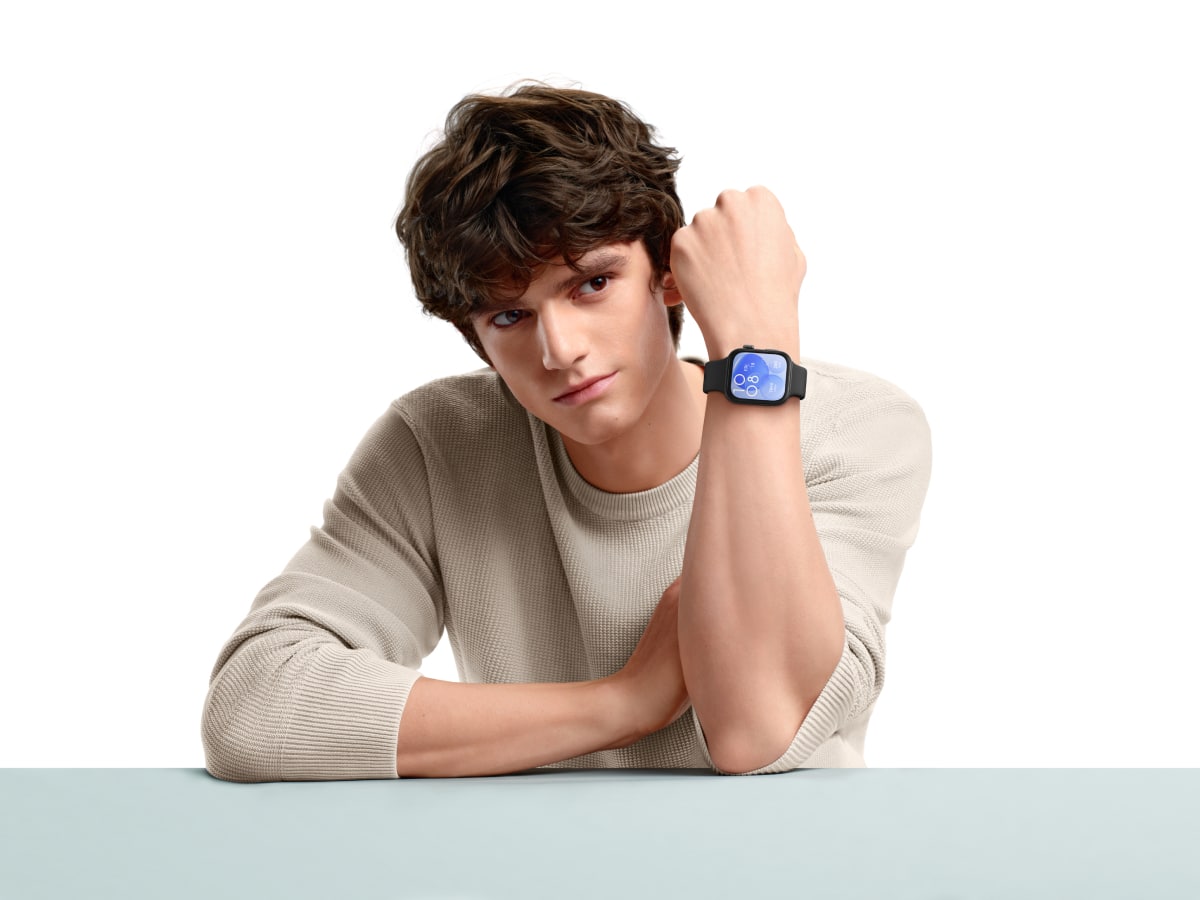
This was surprising. We thought the SE would keep up here, but Huawei clearly made health tracking a priority.
TruSeen 5.5 brings heart rate, blood oxygen, stress levels, and even Pulse Wave Arrhythmia Analysis. That last one? It’s Huawei’s way of keeping tabs on irregular heart rhythms—without needing to upgrade to a more expensive version.
Apple Watch SE only offers heart rate and sleep tracking. No blood oxygen. No ECG. No arrhythmia alerts unless you buy a Series 8 or Ultra. That’s a pretty big gap.
So again, if you’re serious about your wellness tracking, Huawei gives you a fuller picture without asking for more money.
Sleep tracking: accuracy and effortlessness
Another blowout. Huawei Watch Fit 3 tracks sleep with 91.8% accuracy, auto-detects naps, and even recognizes wake moments with over 92% accuracy.
The SE? It struggles a bit. Only 81% accuracy for sleep detection and 77% for wake recognition, and worse—it doesn’t auto-detect naps at all. You have to turn nap tracking on before you rest, which sounds like a detail, but let’s be honest—we all forget. And that means missed data.
Sleep tracking should be effortless. Huawei gets that. Apple, not yet.
Battery life: not even close
This is probably the category where Huawei slaps the SE the hardest. 10 days of battery life with Always-On Display off, around 7 days with it on, and still pushing 4–5 days under heavy use.
Now look at Apple: 18 hours. Realistically, closer to 2 days with moderate use. And that’s without sleep tracking. If you want to track your sleep, you’ll need to charge before bed. And that turns into a daily routine pretty fast.
Huawei also charges faster—about an hour to full, and 10 minutes gives you a full day. Apple needs around 90 minutes, and doesn’t give you much in short bursts.
One watch you charge once a week. The other, you plug in every day. Which sounds better to you?
Daily features: smart touches that matter
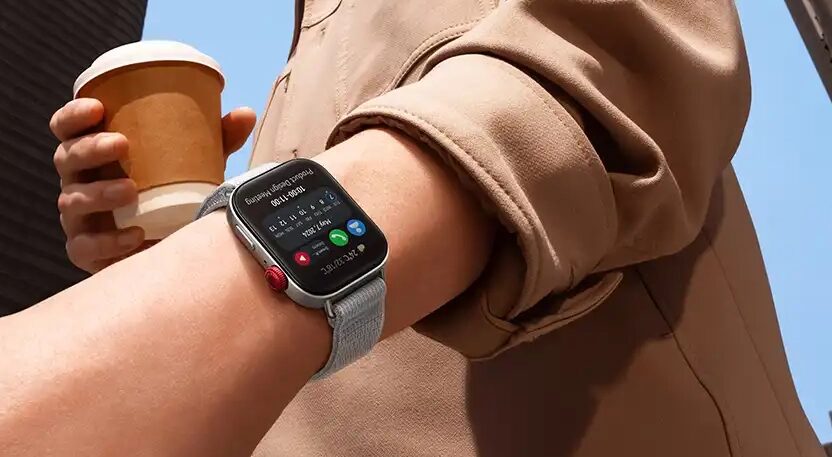
Both watches come with speakers and mics for calls, and both support GPS positioning. Apple supports GPS, GLONASS, Galileo, QZSS, while Huawei handles its own onboard GPS tracking that performs equally well in practice.
Bluetooth? Huawei’s got 5.2, Apple’s got 5.3. Close enough.
But there’s one Huawei bonus that surprised us: NFC for access cards. Not just payments—you can emulate office door cards or secure gates, which is genius. Apple doesn’t offer this on the SE.
Band options? Apple has more materials, more brands, and yes—it’s a fashion-friendly ecosystem. But Huawei’s bands are more workout-focused and easier to swap.
In short, Huawei packs in more utility, Apple offers more brand polish.
So who wins?
Alright, let’s not sugarcoat it. The Apple Watch SE 2nd Gen is a clean, refined device for people who are already married to the Apple ecosystem. It works beautifully with an iPhone, has a smooth OS, and does what it promises with minimal fuss.
But.
The Huawei Watch Fit 3 does so much more—for less—and works with whatever phone you already have. It’s lighter. Brighter. More accurate. And so much longer-lasting. The health features go deeper, the fitness modes go wider, and the battery life just puts Apple to shame.
You don’t need subscriptions. You don’t need to be locked into one phone brand. And you don’t have to sacrifice style or function.
So yeah, if we had to pick one to live with every day—we’re going with the Huawei Watch Fit 3. It’s not just the better deal.
It’s the better watch.