


Sometimes it’s not about the specs. It’s about how a watch makes you feel mid-run, mid-climb, or when you’re dripping sweat and just need your data now. That’s the feeling we chased when comparing the Garmin Forerunner 965 and the Coros Pace Pro—two watches that go toe-to-toe on features, but with very different personalities. And trust us, once they’re on your wrist, those personalities are loud and clear.
These aren’t lifestyle gadgets dressed as fitness tools. They’re built for effort, for real training, for people who want results on the move. And yes, they both flash brilliant AMOLED displays, but the similarities start to blur as soon as the running shoes hit the road. We’ve worn them, trained with them, dug into the data, and now it’s time to break down exactly what makes each tick—and what might make or break the deal for you.
Build and comfort: titanium flash vs plastic finesse
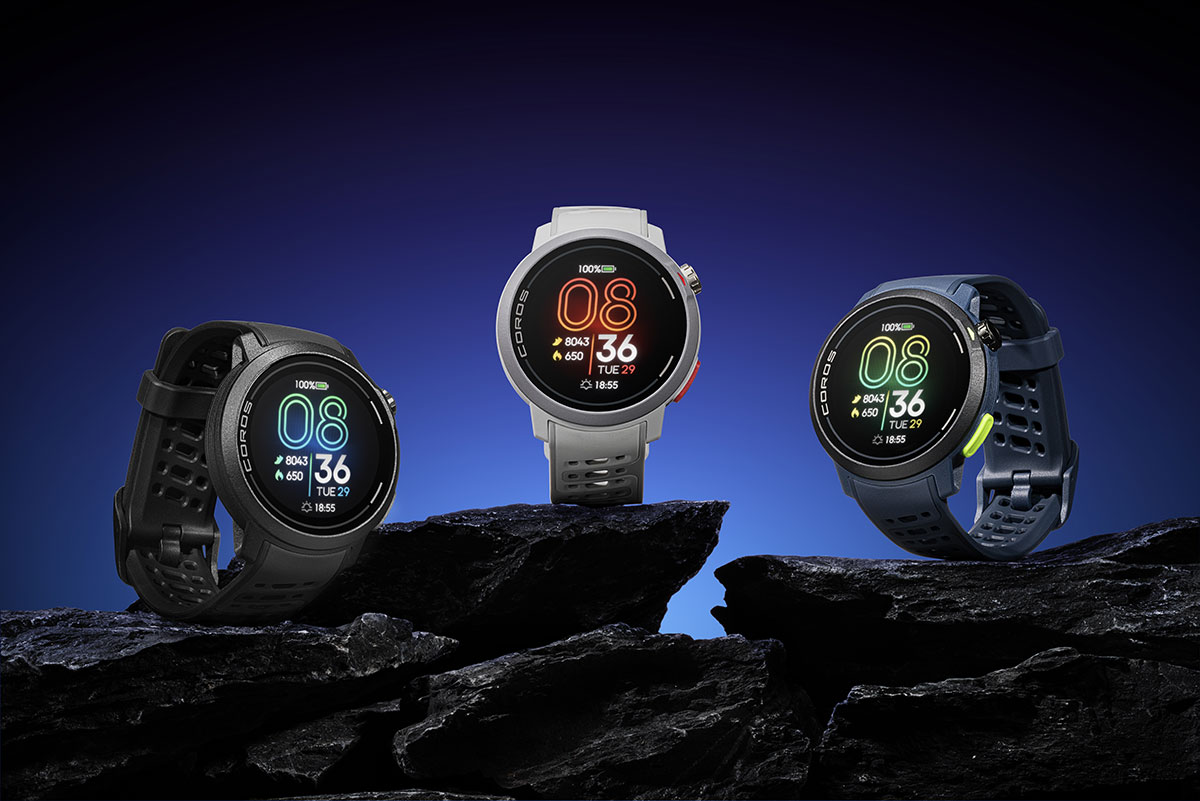
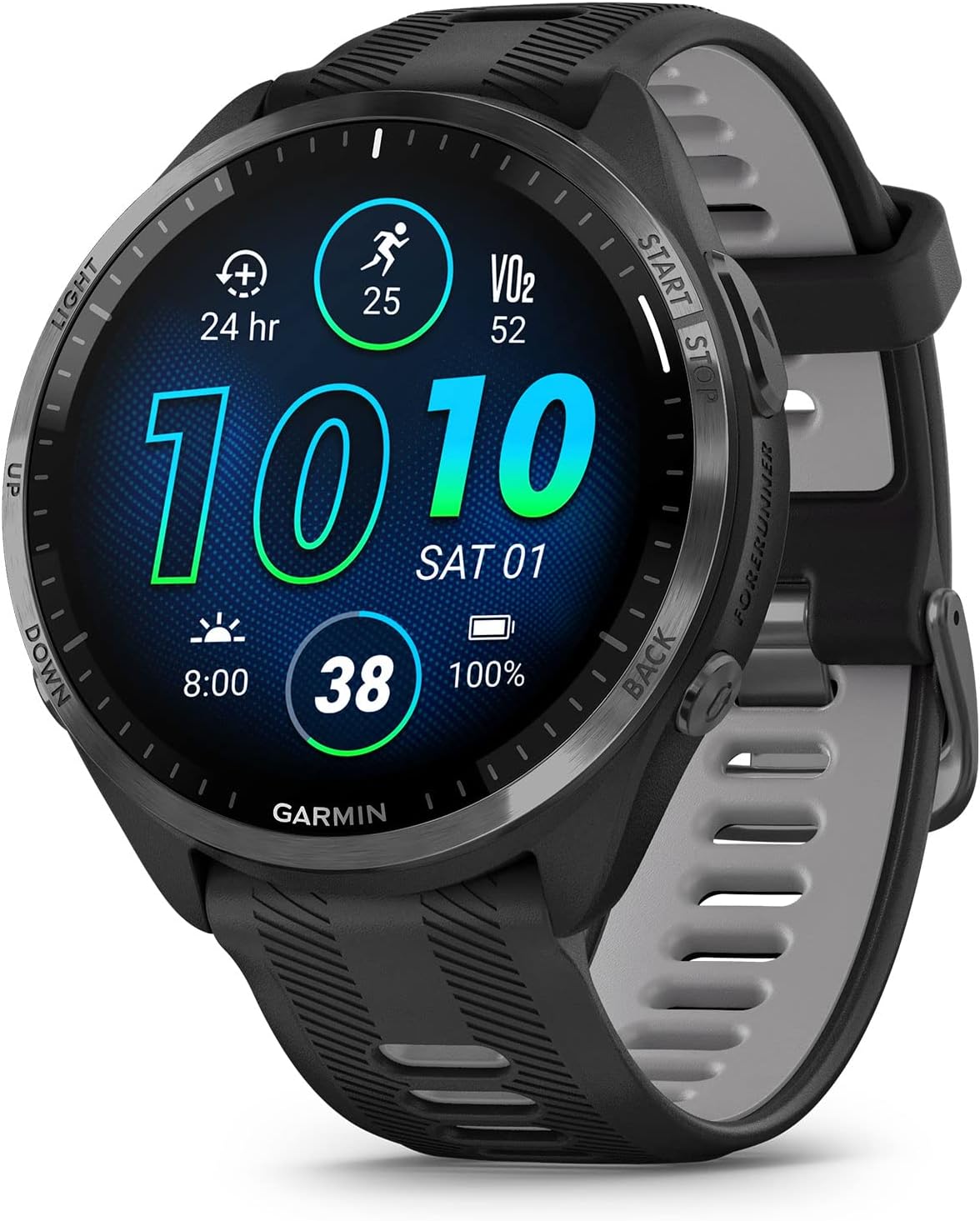
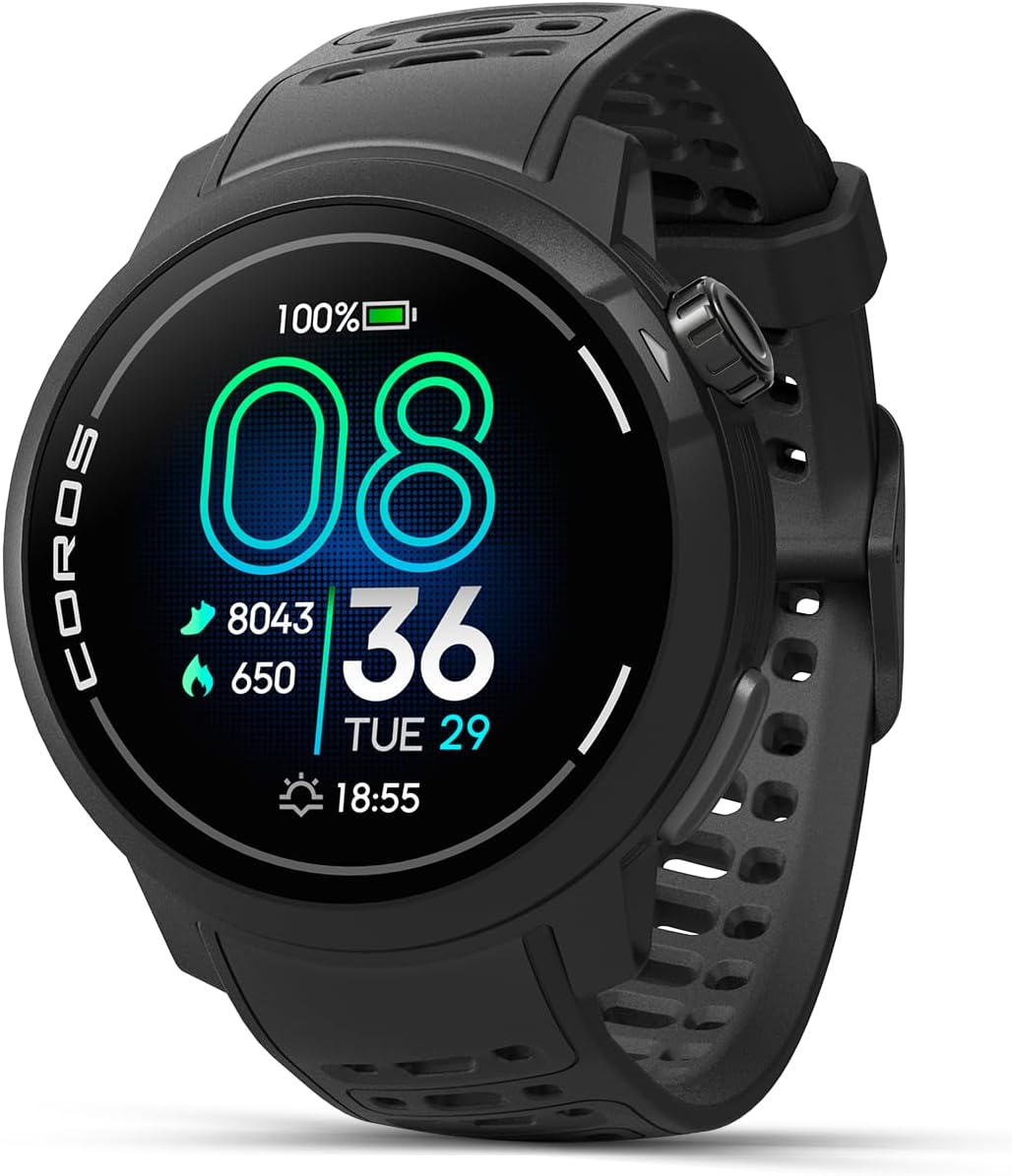
Let’s start with the feel. The Forerunner 965 comes with a titanium bezel and a plastic case, giving it a polished, almost “pro” vibe the moment you strap it on. At 53 grams, it’s not featherweight, but it feels solid—like a tool, not a toy. On the other hand, the Coros Pace Pro keeps it lean with a 49-gram all-polymer construction, and that drop in weight is noticeable during long training sessions.
Garmin’s 47.1 mm diameter and 13.2 mm thickness is nearly identical to the 46 mm by 14.15 mm profile of the Coros, but the Coros feels slimmer on the wrist, especially when things get sweaty.
Now, the buttons. Garmin’s five-button layout is still unbeatable, especially if you’re wearing gloves, running in the rain, or simply don’t want to think. Every click is satisfying. Coros goes for a simpler two-button setup, with a rotating crown that’s efficient… until it isn’t. Accidental inputs happen, and the missing backlight button feels like a small but annoying oversight.
So yeah—Garmin’s got the premium touch, but Coros delivers minimalist comfort. Pick your poison.
Display punch: bright, bold, and slightly better
Let’s talk screens—because this is where both watches absolutely shine.
The Forerunner 965 rocks a 1.4-inch AMOLED with a 454 x 454 resolution, and it looks phenomenal. Data is crisp, colors are vibrant, and you can read your stats in any light—sun or shade. The Coros Pace Pro’s 1.3-inch, 416 x 416 display holds its own, with rich contrast and smooth animations, but side-by-side, the Garmin pops just a little more, especially thanks to its larger screen real estate.
And don’t forget durability: Garmin uses Gorilla Glass, while Coros sticks with mineral glass. Both are tough, but Gorilla Glass handles impact better—not a huge deal, unless you’re bushwhacking or prone to clumsy trail mishaps.
Both support always-on display, and both look fantastic. But if display is your priority, Garmin wins by a hair.
Training tools: this is Garmin’s playground
Okay, here’s where Garmin pulls out its secret weapon—training insights. The 965 doesn’t just log your sessions. It tells you if you’re pushing too hard, not hard enough, whether you’re acclimating to heat or altitude, and how ready you are to train the next day.
Real-time stamina estimates, Training Readiness scores, Daily Suggested Workouts—all there, and they’re not gimmicks. They’re built from real physiological modeling and years of athlete data.
The Coros Pace Pro holds its ground with VO2 max, recovery time, and training load metrics, but it feels more like a data logger than a coach. You get the numbers, but you don’t get that same feeling of being guided through your season.
And here’s something serious athletes will care about: Garmin supports both Bluetooth and ANT+, meaning you can connect everything from modern heart straps to legacy cycling sensors. Coros is Bluetooth-only, and while that’s enough for most people, it’s a limitation for multisport setups.
So if your training revolves around structure, adaptation, and sensor compatibility? Garmin wins this round—hands down.
GPS and heart rate: practically twins
Surprisingly, this one’s a tie. Both watches use dual-frequency GNSS, which means excellent GPS accuracy even in canyons, cities, or tree cover. We tested them on everything from trail loops to city sprints, and route tracking was tight and consistent.
Heart rate? Same story. Both use optical sensors with advanced photodiode layouts, and they’re accurate 90% of the time. The remaining 10%—those spikes during high-intensity intervals or cold morning runs—are where both still stumble. Use a chest strap if you care about precision.
Bottom line: for location and heart rate, you can trust both.
Navigation features: Garmin goes further
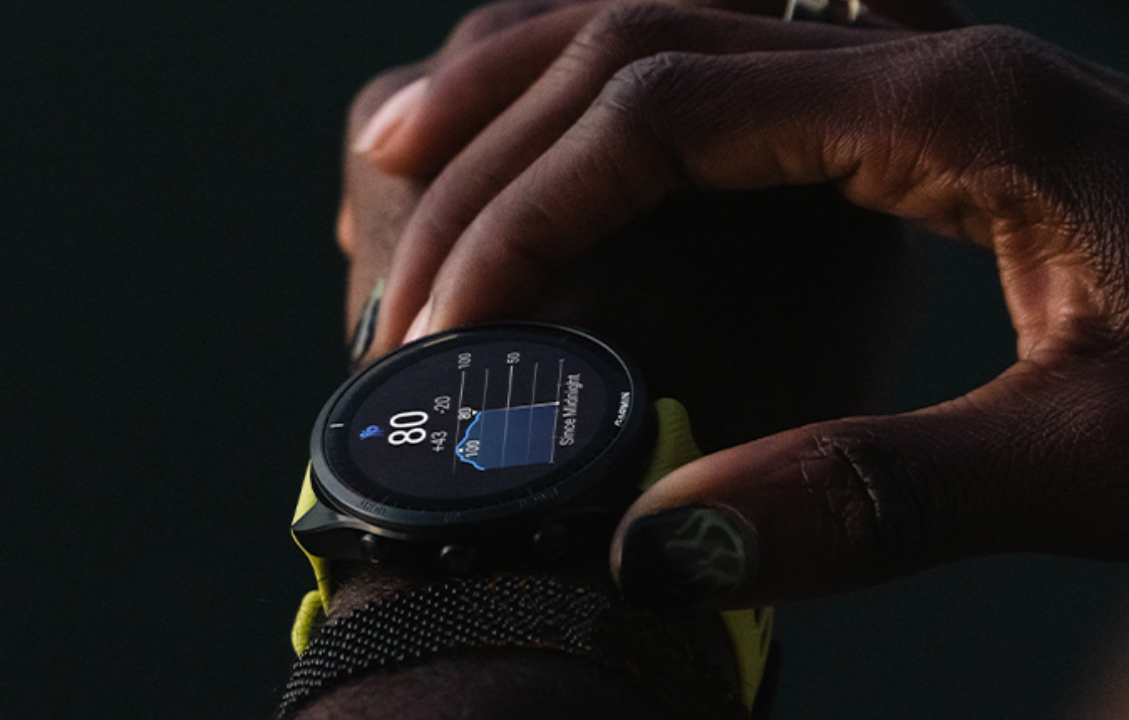
Both watches handle the basics: offline maps, GPX file imports, elevation profiles, and back-to-start navigation. So if you just want to follow a preloaded route, you’re good with either.
But here’s the catch: Garmin offers fully routable maps, meaning you can create a new route on the watch itself if you get off-track or want to explore mid-run. It also features ClimbPro, which previews upcoming hills and descents—hugely helpful for pacing on the fly.
Coros overlays static GPX lines, but you can’t reroute or edit mid-activity, and the maps are more basic in detail. It’s a great tool—but Garmin’s system is just more dynamic.
So for serious navigators, Garmin gives you more control and peace of mind.
Battery life: Coros quietly crushes it
Here’s where Coros punches way above its weight. The Pace Pro offers up to 20 days in smartwatch mode and 24 hours with dual-band GPS and AOD on. Garmin promises 23 days in smartwatch mode, but just 19 hours with dual-band and AOD active.
What does that mean? Coros will comfortably take you through a week of workouts and still have juice to spare. If you’re planning long hikes, ultra races, or just hate charging every few days, this one’s a big deal.
Charging is quick on both, but Coros just uses less battery doing more. That kind of efficiency makes a difference in how often you think about your charger. So yeah, this one goes to Coros—no contest.
Smart features: Garmin plays smarter
Let’s be honest—most of us don’t use our sports watches for Netflix, but smart features matter, especially if you’re wearing it all day.
Garmin supports offline Spotify, Amazon Music, and Deezer, and you can leave your phone at home and still blast music through Bluetooth buds. It also has Garmin Pay for contactless payments, plus third-party app support via Garmin Connect IQ. Want a weather widget? Parkrun barcode? It’s all there.
Coros? No streaming. No music control. No NFC payments. You can drag and drop MP3s onto the watch, sure—but it feels like 2012.
For full-day use, Garmin clearly takes the win here.
App and ecosystem: one’s deep, one’s fast
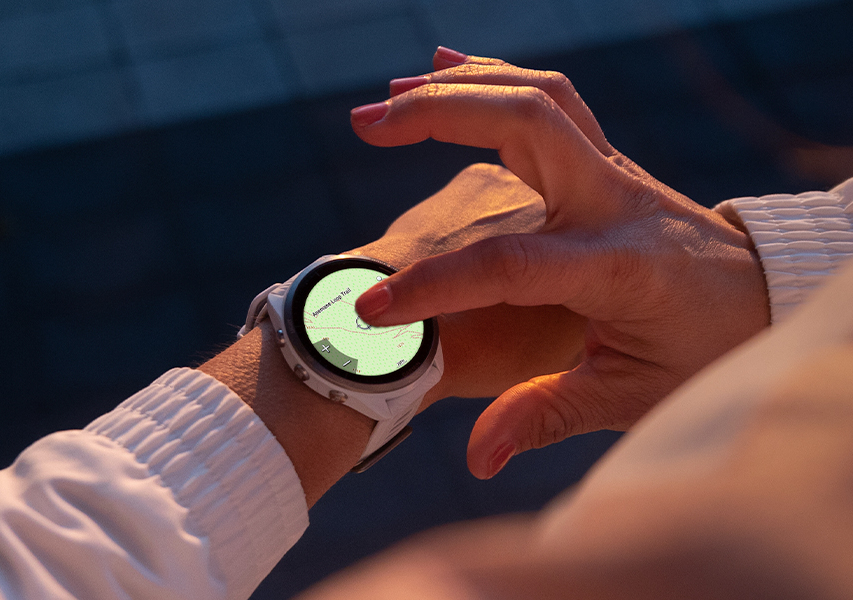
Garmin Connect is like the ocean—deep, rich, sometimes overwhelming, but perfect for athletes who want to tweak, plan, and analyze every training block. The graphs, recovery suggestions, and third-party integrations are top-notch.
Coros keeps it snappy and efficient, which we respect. Syncing is fast, data is clean, and everything feels user-first. But it lacks long-term data modeling and deeper performance insights. If you’re into structured planning, you’ll want more than Coros gives you.
So it depends: are you a data nerd or a minimalist? Garmin wins for the former, Coros satisfies the latter.
So which watch is actually better?
We’ve worn both. We’ve trained, slept, explored, and even raced with them. And here’s the thing: the Coros Pace Pro is amazing for what it is—a lightweight, long-lasting, accurate training tool with everything you need, and nothing you don’t. It’s focused. It’s efficient. And for the price? Kind of a steal.
But the Garmin Forerunner 965 is a different beast. It coaches, it adapts, it entertains, and it elevates your training. It’s not just logging your data—it’s interpreting it, using it, helping you make smarter decisions. That titanium bezel, that ClimbPro feature, that music streaming? They’re not gimmicks. They’re the difference between a good tool and a great one.
So yeah—if you’re serious about performance and want the full package, the Forerunner 965 is the better sports watch. No question.
Coros may last longer. But Garmin does more—and does it better.