


When you’re knee-deep in training mode, juggling pace zones, recovery windows, and your next race block, the last thing you want is a sports watch that makes you second-guess. We’ve been there—running with cold fingers at 6am, trying to swipe through data screens while chasing a PR—and that’s when you realize just how much the right watch matters. That’s also when the Coros Pace Pro and Coros Pace 3 suddenly stop being “just options” and become a real decision point.
Coros didn’t just beef up the Pace 3 when they made the Pace Pro—they took a confident leap forward. With offline maps, ECG support, and a display that basically looks alive, it’s clearly aiming higher. But let’s not sleep on the Pace 3, because at just 30 grams, with crazy battery life and elite-level metrics, it still sets a gold standard for functionality in a minimalist package.
We’ve put both of these watches through long runs, recovery weeks, and everything in between. Let’s walk through what separates them—and what doesn’t.
Specs: display drama and dial upgrades
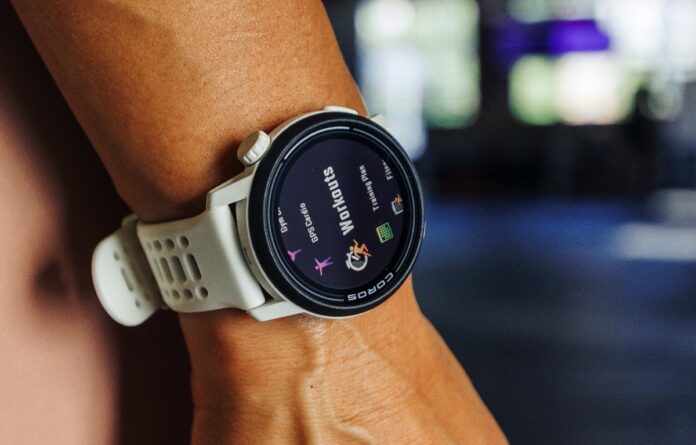
At a glance, both watches might seem like twins raised in different towns. They’ve got barometric altimeters, SpO₂ sensors, 5ATM water resistance, and all the multi-sport tracking goodies you’d expect from Coros. But one glance at the screen, and you’ll know which one’s out to impress.
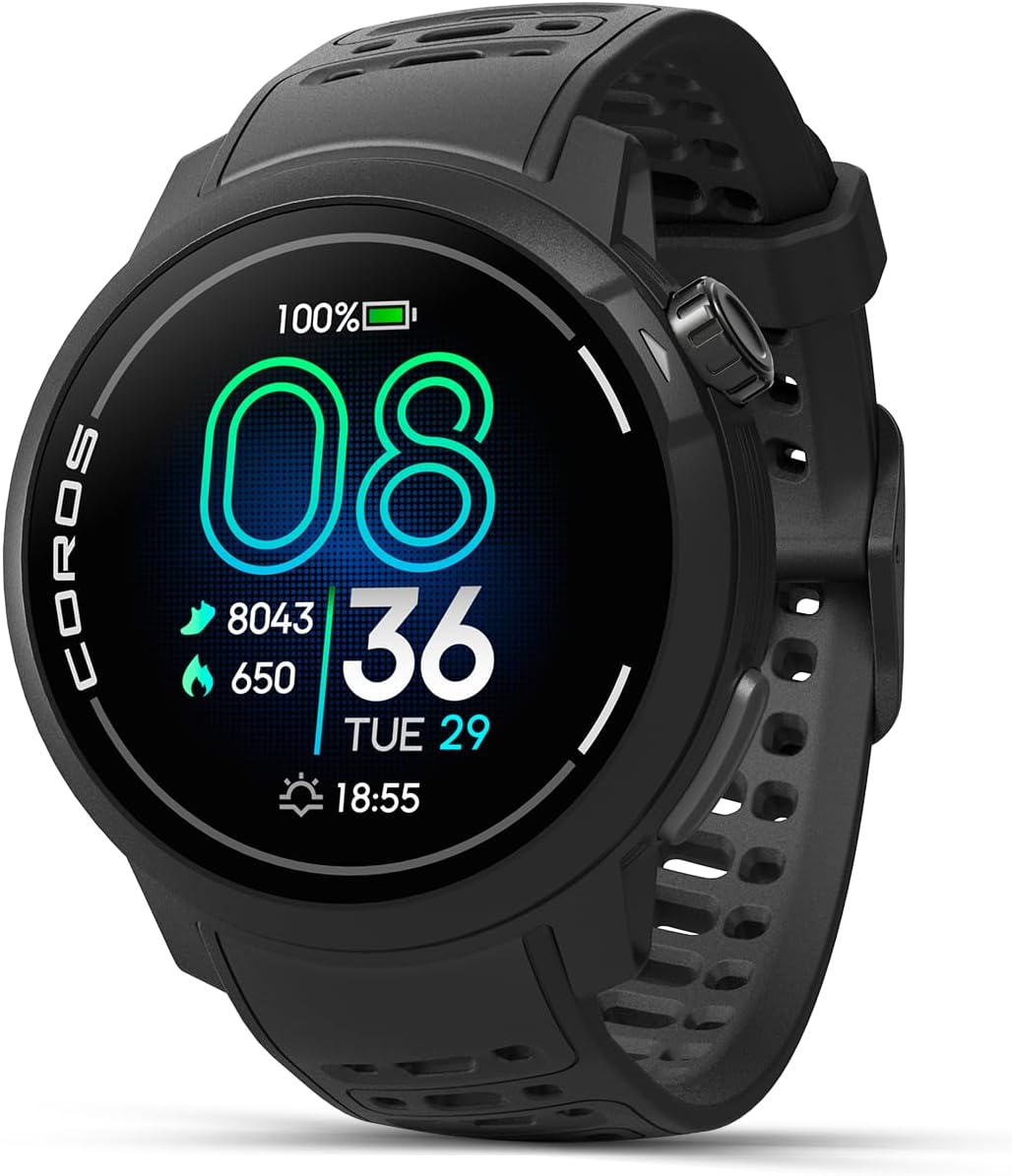
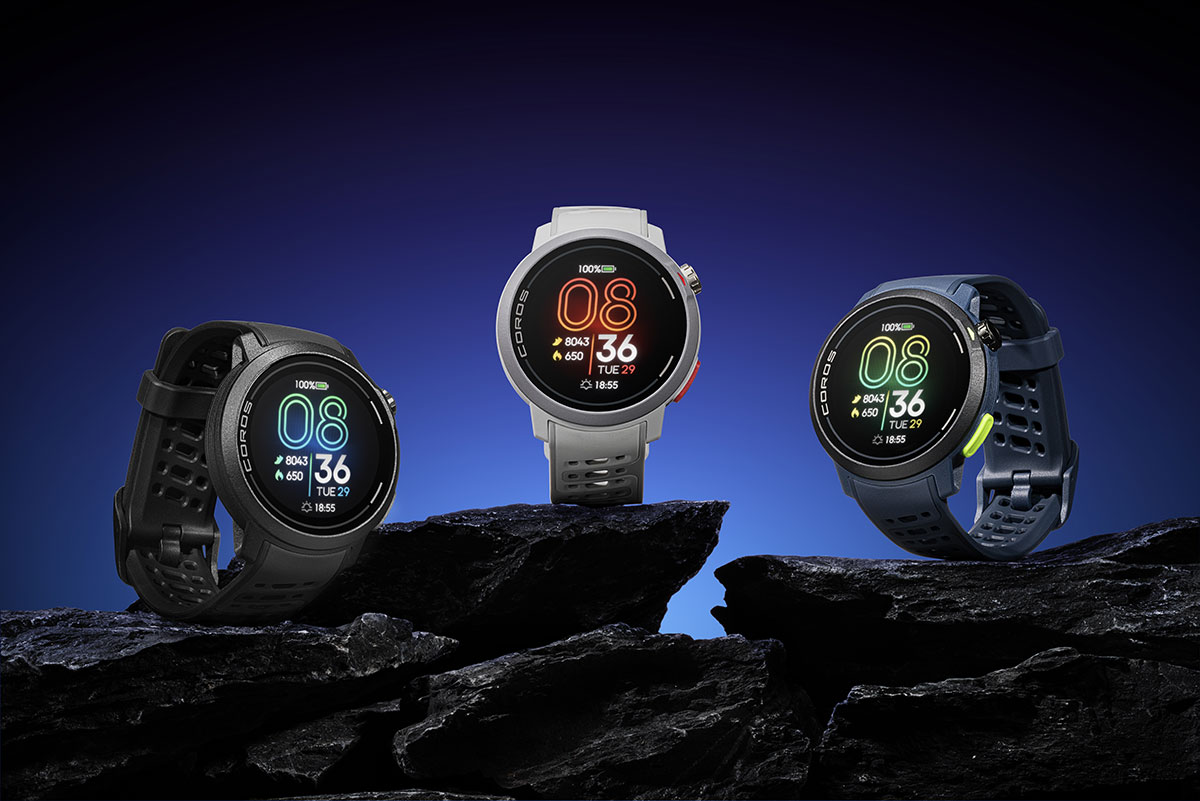
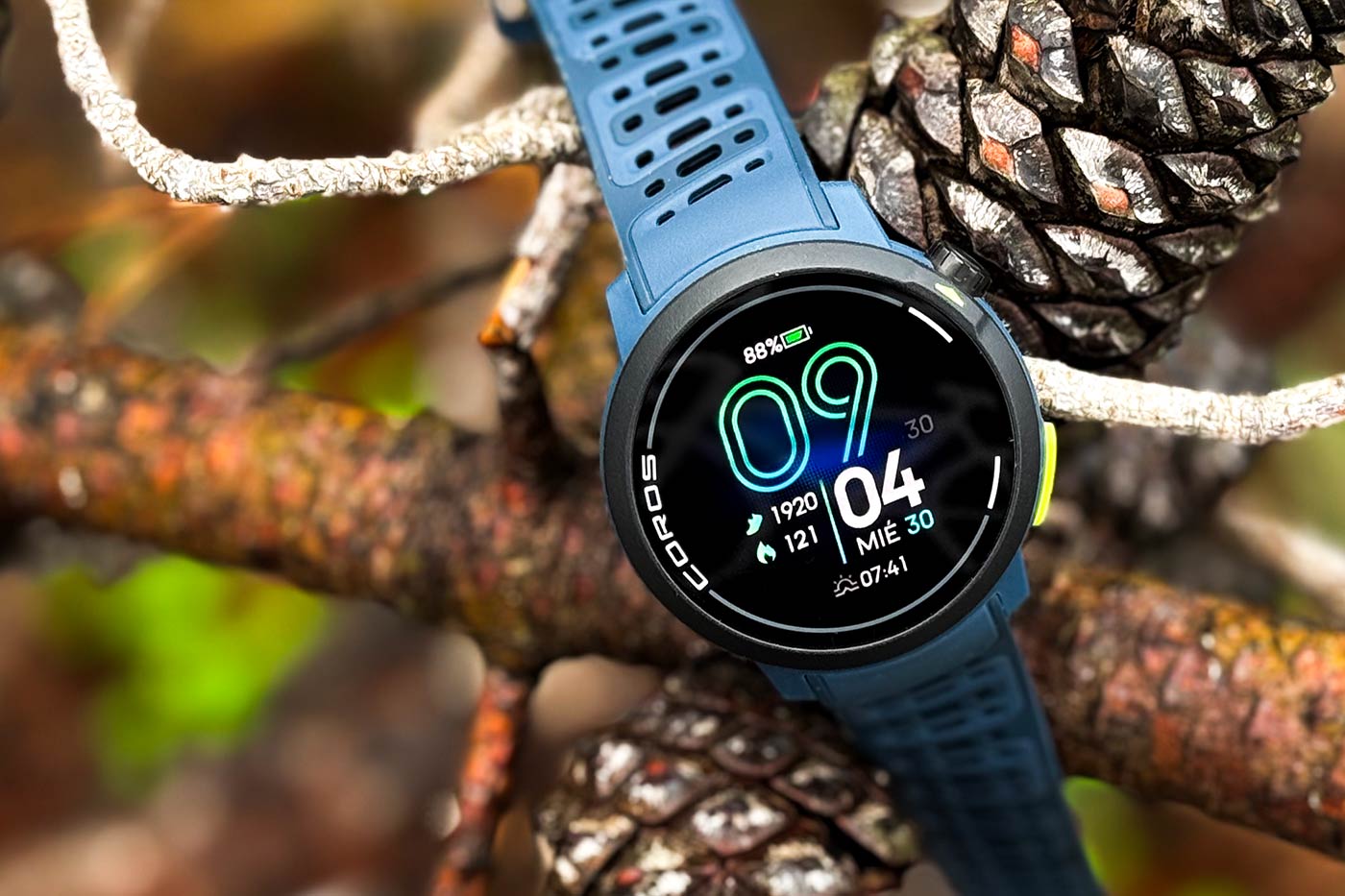
The Coros Pace Pro has a 1.3-inch AMOLED screen, and that changes everything. It’s bright, vibrant, and instantly makes the Pace 3’s 1.2-inch MIP display feel like yesterday’s news. That said, the MIP screen on the Pace 3 is no slouch—it’s fantastic in direct sunlight and sips battery like a pro—but if clarity and color matter, AMOLED is a game changer.
Storage jumps from 4GB on the Pace 3 to 32GB on the Pace Pro. That’s not just for music—it opens the door for offline maps and whatever features Coros might roll out next. Plus, the Pace Pro adds a steel digital dial, which not only feels better but unlocks ECG functionality, something you just won’t find on the Pace 3.
In terms of raw hardware, the Pace Pro is clearly in a different league.
Design and wearability: featherweight or feature-rich?
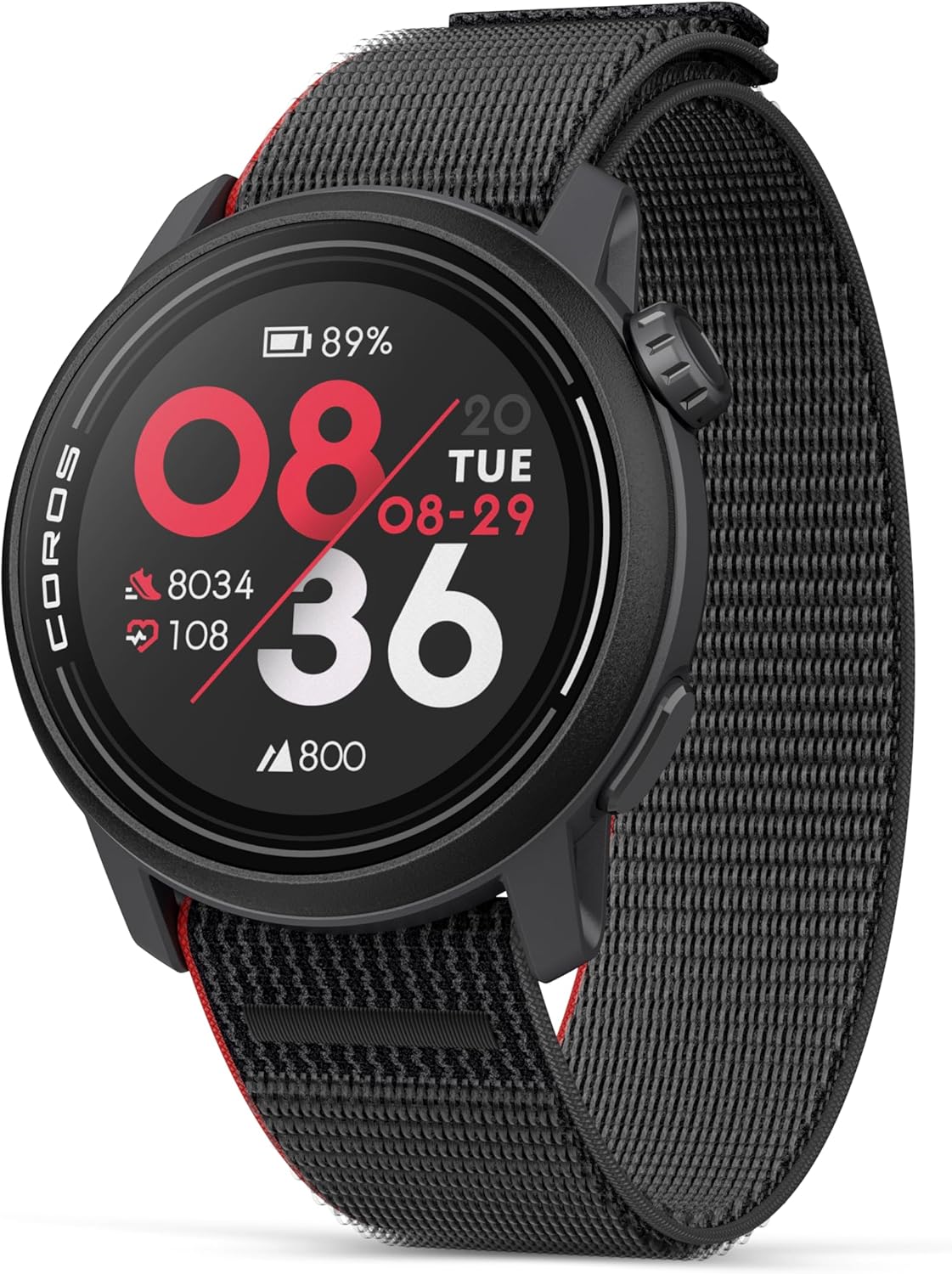
Now here’s where it gets personal. If you’ve worn the Pace 3 with the nylon strap, you know what freedom feels like. At just 30g, it’s basically air on your wrist, which is amazing if you’re sleeping with it, doing long runs, or living in it day and night.
The Pace Pro is 37g with a nylon strap, so not exactly bulky—but you’ll feel the difference if you’re sensitive to weight. It’s also slightly wider, which gives the AMOLED screen room to breathe but might feel more noticeable on smaller wrists.
Both watches have polymer cases and mineral glass screens, so you’re not dealing with fragile materials. They’re tough, but not flashy. Still, the steel dial on the Pace Pro adds a premium touch, and it’s one of those subtle things you appreciate the more you use it.
If you’re the kind of athlete who values minimalism and lightness above all else, the Pace 3 is a dream. But if visual clarity, map detail, and tactile feedback matter to you, the Pro wins this round.
GPS and heart rate accuracy: more alike than different
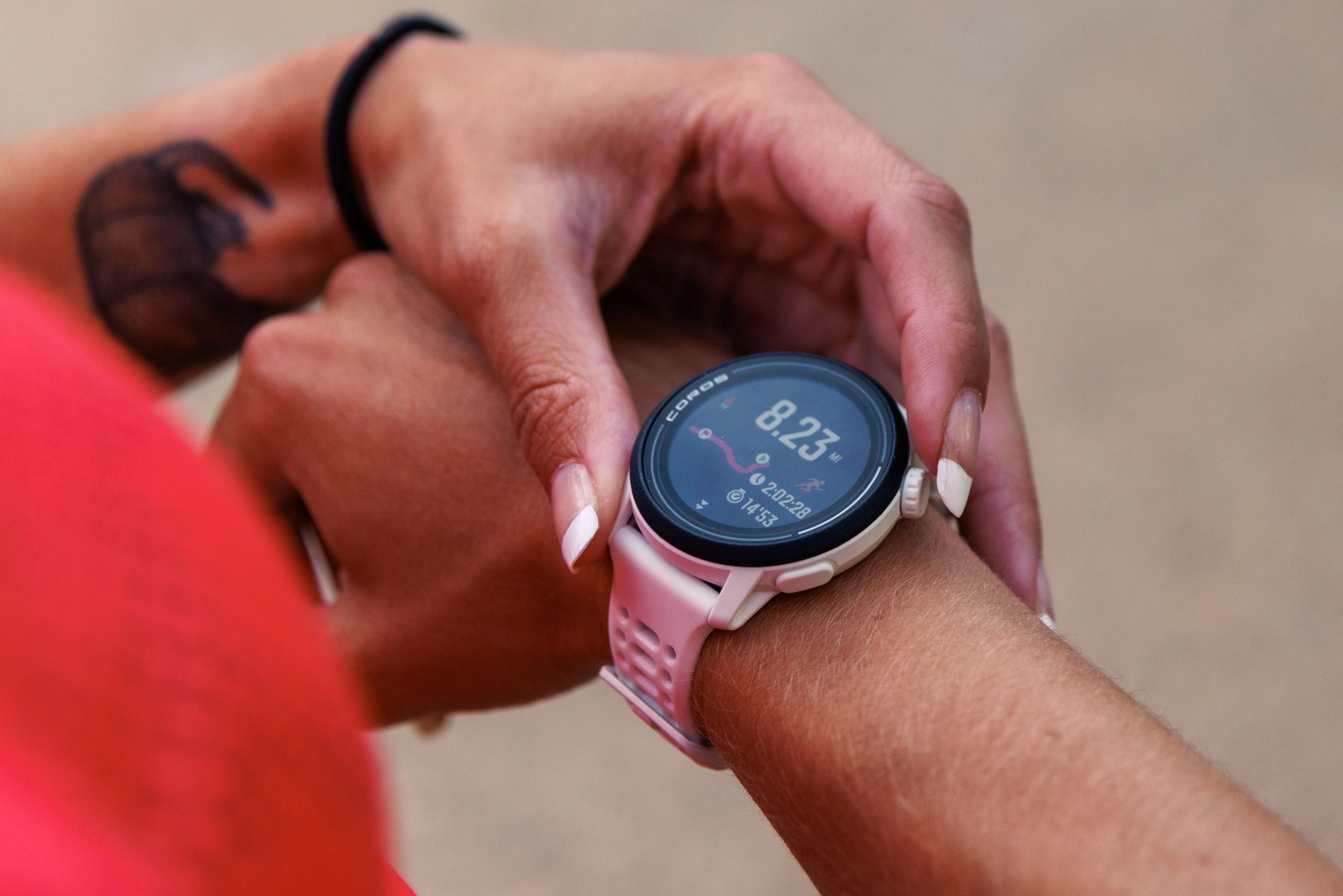
This one’s straightforward. Both watches come equipped with dual-frequency GPS, which is essential for city running, dense forests, or those frustrating “GPS black holes” you hit in certain spots.
The GPS tracks are virtually identical, even on complex routes or when switching pace mid-run. And for a brand that prides itself on accuracy, Coros delivers on both models.
Heart rate? Well, like most optical wrist-based monitors, neither is perfect, especially in cold weather or during intervals. You’ll get clean data during steady-state workouts, but things get shaky during sprints or when your skin temperature drops. That’s where a chest strap makes a difference—and both watches support pairing easily.
If your training relies on consistent data feeds into EvoLab, you’re safe with either device. No real gap here.
Mapping and navigation: game over for breadcrumbs
Here’s where the divide is sharp, and once you’ve used both, it’s hard to unsee.
The Pace Pro’s offline, full-color maps are a total game changer. Whether you’re trail running, cycling, or navigating a new city, it’s liberating to have detailed visual maps right on your wrist. You can see roads, paths, terrain—all without needing a phone.
The Pace 3, by contrast, sticks to breadcrumb navigation. You’ll get a line, an arrow, and that’s about it. It works—but it doesn’t inspire confidence if you’re off the beaten path.
For outdoor athletes, this is probably the biggest practical upgrade the Pro offers. If you’re always running loops at the track, it won’t matter. But for those who love new routes? It matters a lot.
Battery life: surprisingly close, with a twist
We expected the AMOLED screen on the Pace Pro to kill battery life. But nope. It holds its own—and sometimes even pulls ahead in GPS mode.
The Pace 3 leads slightly in daily watch mode, thanks to that frugal MIP display. But when it comes to long runs or full-day tracking? The Pace Pro wins with longer battery life in dual-band GPS mode, which is exactly what endurance athletes care about.
Both watches have configurable display options—you can tweak brightness, raise-to-wake, timeouts, all of it. The Pro even supports always-on display, and while it does burn more battery, it’s nowhere near as brutal as you’d expect.
In practical terms, you’ll charge either one about once a week, depending on how hard you go. So you’re not tied to a charging cable either way.
Training features and software: neck and neck
If you’re worried that the Pace Pro might get some secret training edge—relax. Both watches access the full suite of Coros EvoLab features, and that’s where the real magic happens.
Race predictions, training load, fatigue tracking, VO2 max, recovery advice—it’s all identical. So is structured workout creation, multi-sport tracking, and syncing with third-party platforms like Strava and TrainingPeaks.
Music support is available on both, but it’s old-school: manual file transfers only, no streaming. Kind of a bummer, but at least the space is there (especially on the Pace Pro).
Bottom line: your training data and experience will be just as comprehensive on either watch.
Additional features: future-ready vs ultra-simple
The extras are where we see Coros quietly planting seeds.
The Pace Pro’s faster processor makes a subtle but real difference. Menus move smoother, maps load faster, and you get the sense it’s built with the future in mind. It’s like driving a newer car—you might not need all the horsepower now, but it’s nice to have.
ECG functionality is another big leap, even if it’s in its early days. It’s not a medical-grade ECG, but it’s a step toward broader health tracking, and Coros clearly has long-term plans for it.
Meanwhile, the Pace 3’s simplicity is almost refreshing. No maps, no ECG, no distractions. It’s lean and focused, which honestly fits the needs of a lot of athletes.
If you want a watch that evolves with time? The Pro is the bet. If you want something you forget is even there until you need it? The 3 is perfect.
Conclusion: Coros Pace Pro earns its place
Here’s the honest truth: the Coros Pace 3 is still one of the smartest buys in the GPS watch market. It nails the fundamentals, barely weighs anything, and delivers all the training insights most of us need.
But the Pace Pro doesn’t just add fluff—it brings meaningful upgrades. That AMOLED screen isn’t just pretty; it makes mid-workout glances effortless. Maps? Total game changer. The ECG dial, bigger storage, faster chip—these aren’t gimmicks, they’re real tools.
Sure, it costs more, and yes, it’s a bit heavier. But if you’re serious about your training, especially outdoors, and want a device that’s going to grow with you over the next few years, the Pace Pro is the one that’ll keep surprising you.
And the Pace 3? It’s still brilliant—just not built to keep up with what the Pro is already doing out of the box.