


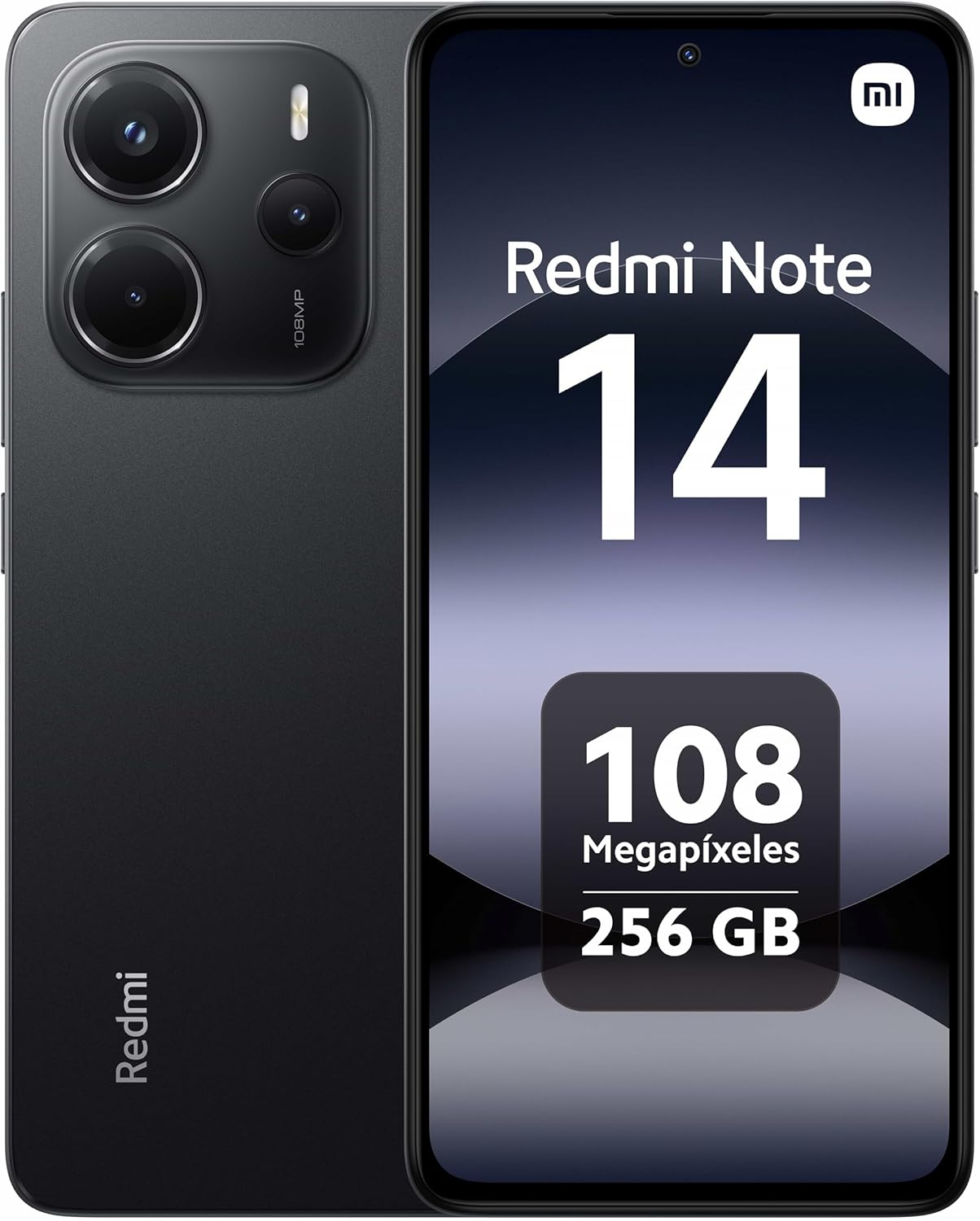
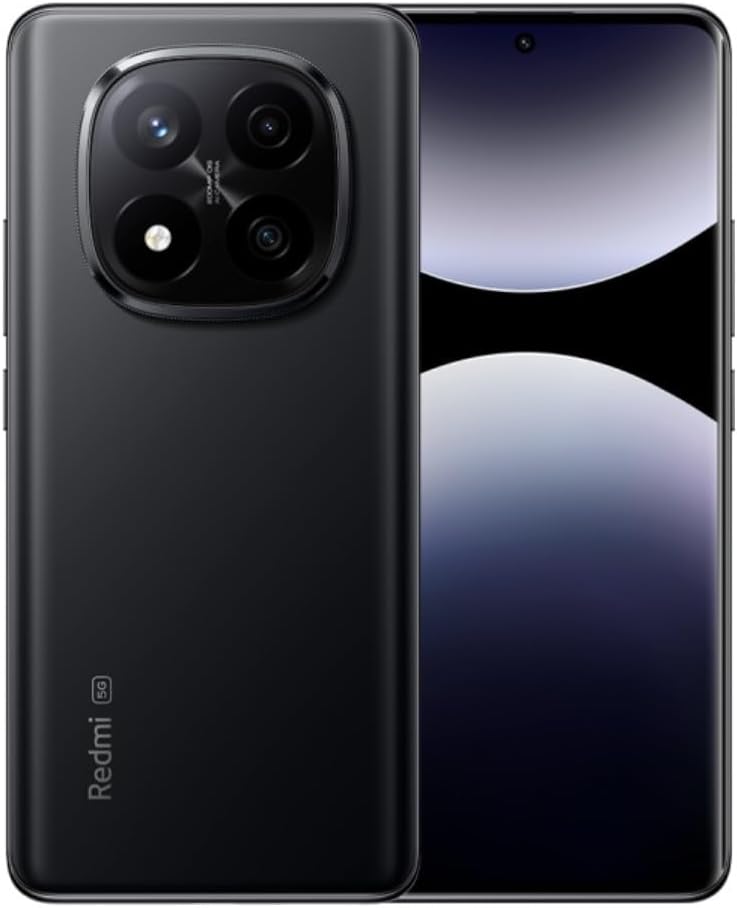
Sometimes you’re just trying to replace your phone. Not make a life-altering decision, not enter the spec war battlefield, just… pick something that works. And that’s where we’ve all been stuck: you look at the Redmi Note 14 and Redmi Note 14 Pro, and suddenly, it’s like choosing between two nearly identical siblings, except one decided to get a gym membership and learn photography. You’re tempted by the Pro, but also wondering—do I really need all of that?
We’ve been through this process enough to know where the real differences lie and which details are just noise. Both phones are trying to be that perfect balance of price and power, but they don’t walk the same line. The Note 14 Pro takes a few confident steps into premium territory, while the Note 14 keeps things more grounded. That doesn’t mean one is better for everyone—it just depends on what you actually care about in your day-to-day use.
So we rolled up our sleeves and put these two through the paces—camera, display, performance, the whole lot. Here’s what we found.
Main camera: more than just megapixels
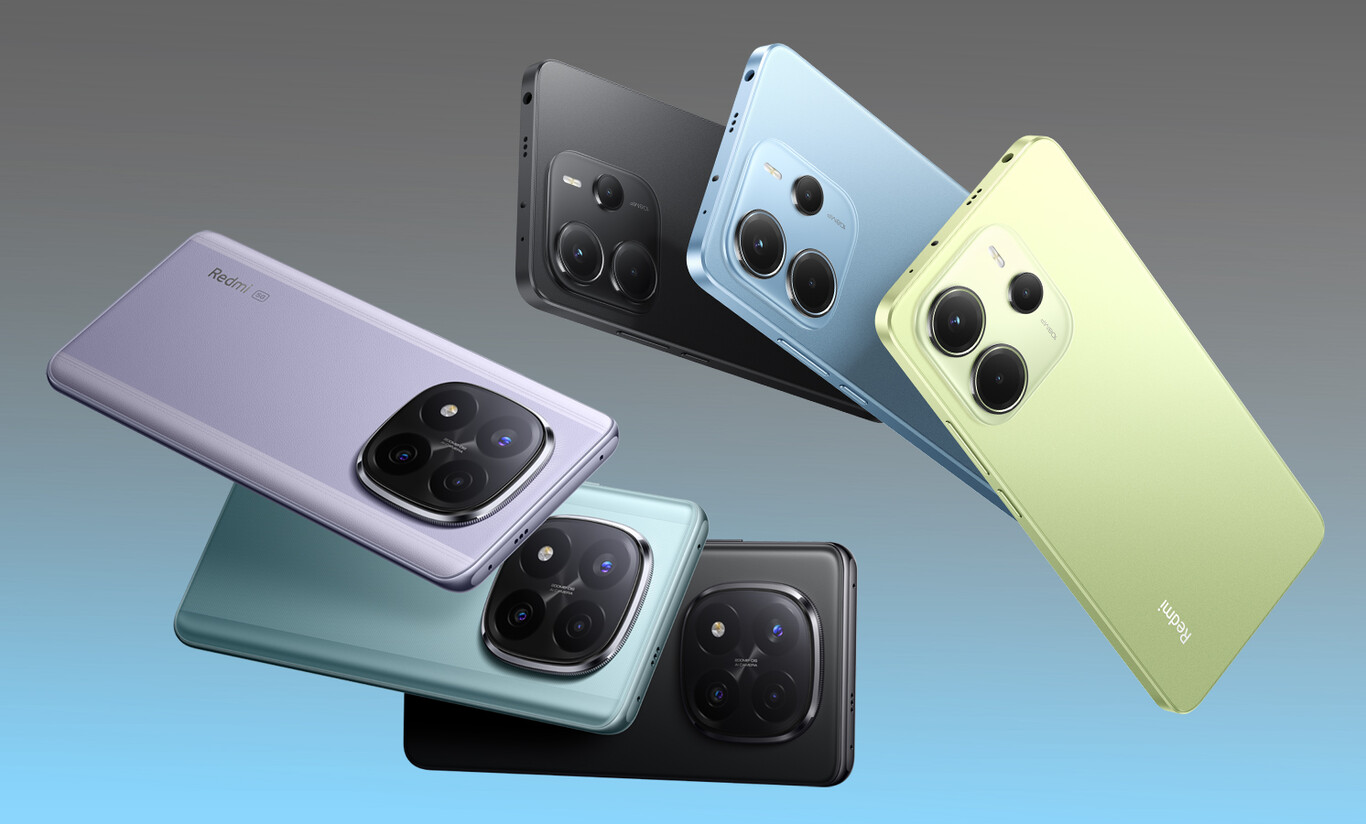
If you’ve ever compared smartphone photos side by side, you know how misleading numbers can be. But in this case? The numbers speak pretty loudly.
The Redmi Note 14 Pro’s 200 MP main sensor absolutely overshadows the Note 14’s 50 MP one. We’re talking about way more detail, much better control over highlights, and a wider dynamic range that makes your photos look more alive—whether you’re shooting outside on a bright day or trying to capture a dimly lit room. It’s not just about resolution. The Pro processes images more intelligently, with better contrast and clarity.
And it’s not just about stills either. The Pro can record in 4K at 30 fps, while the standard Note 14 maxes out at 1080p at 30 fps. That’s a huge jump in sharpness for anyone who records content or even just wants crisp home videos.
There’s also motion tracking built into the Note 14 Pro, which helps a ton when photographing moving subjects—pets, kids, your always-wiggling friend during selfies. The regular Note 14 skips this entirely.
Now, to be fair, both phones come with the same 8 MP ultra-wide lens and macro sensor, and in those areas, you won’t see much difference. Wide-angle shots and super close-ups are basically identical. But let’s be honest—those are rarely the everyday go-tos. It’s that main camera that does the heavy lifting, and here, the Pro does a lot more of it.
Display: similar at a glance, different in the hand
On paper, you’d think these screens are twins. Both phones offer a 6.67-inch AMOLED display with a 120 Hz refresh rate, and that alone makes them feel smooth and snappy to use. Scrolling Instagram, reading articles, flipping through photos—it’s all fast, fluid, and nice on the eyes.
But take a closer look, and the differences start to show. The Redmi Note 14 has a flat screen with noticeable bezels, giving it a more traditional, no-nonsense feel. Some users actually prefer this—flat displays are often easier to handle, especially one-handed, and you don’t get those accidental touches at the curved edges.
Meanwhile, the Note 14 Pro adds a touch of drama with a curved display, which feels more modern and immersive. It’s definitely a bit more elegant, especially for media consumption. The bezels are thinner too, which gives the screen a more edge-to-edge look.
Where things shift even further is in the Pro’s extras. Dolby Vision support is exclusive to the Note 14 Pro, and this genuinely enhances how your videos look. Blacks are deeper, contrast is richer, and colors seem to pop with more nuance. If you stream a lot, you’ll notice the difference—especially with Dolby-compatible content on platforms like Netflix.
And while it might not jump out at first, the Pro’s resolution is slightly higher, delivering a crisper overall image. It’s subtle, but it’s there.
Build quality and touch: vibes vs refinement
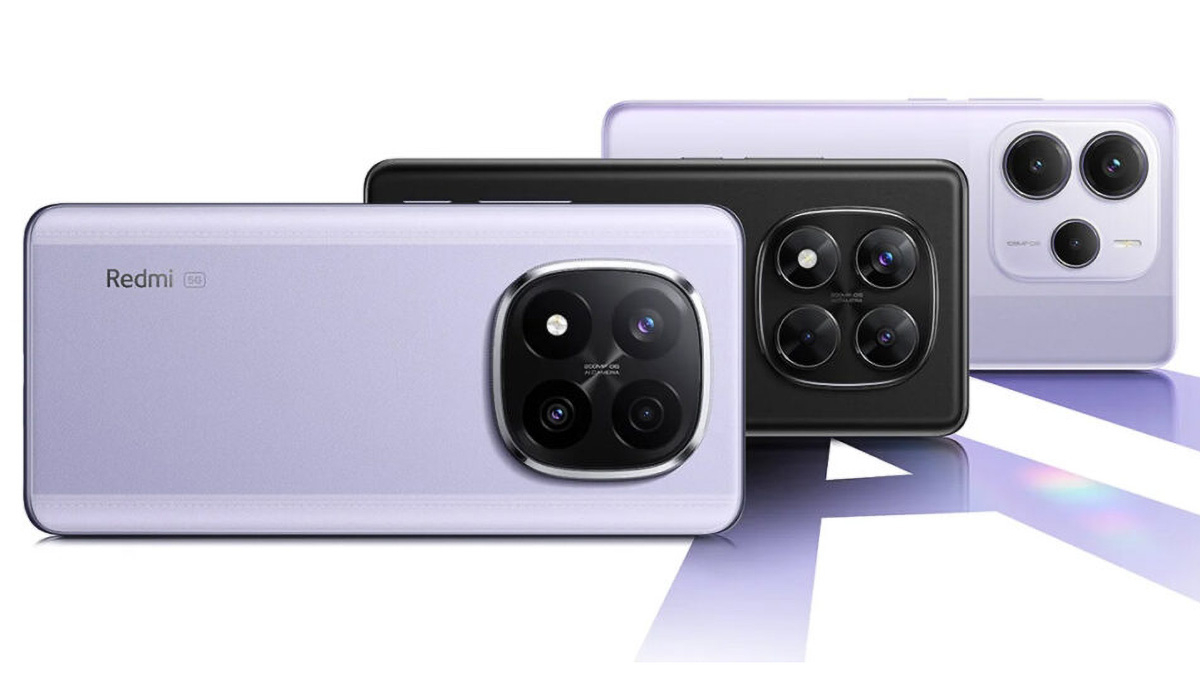
You’re not getting premium materials here—neither phone goes for glass or aluminum. Both are made of plastic, and honestly? That’s not necessarily a downside. Plastic is lighter, grippier, and less prone to cracking. You won’t constantly fear dropping it.
Still, there’s a distinct difference in feel. The Redmi Note 14’s flatter design makes it surprisingly comfortable, almost like those older Pixel phones that felt purposeful and compact in the hand. It’s basic, but in a good way. The kind of phone you don’t have to baby.
The Pro version, though, feels more polished. There’s something about the way the curved edges meld into your palm, and especially the haptics. The vibration motor on the Note 14 Pro is vastly superior, giving you sharper, cleaner feedback when typing or getting a notification. By comparison, the regular Note 14 feels hollow and a bit cheap—like it’s trying but not quite succeeding.
So yeah, both are comfortable and secure to hold. But if you’re sensitive to tactile feedback, the Pro wins by a mile.
Performance: small gap, big difference under pressure
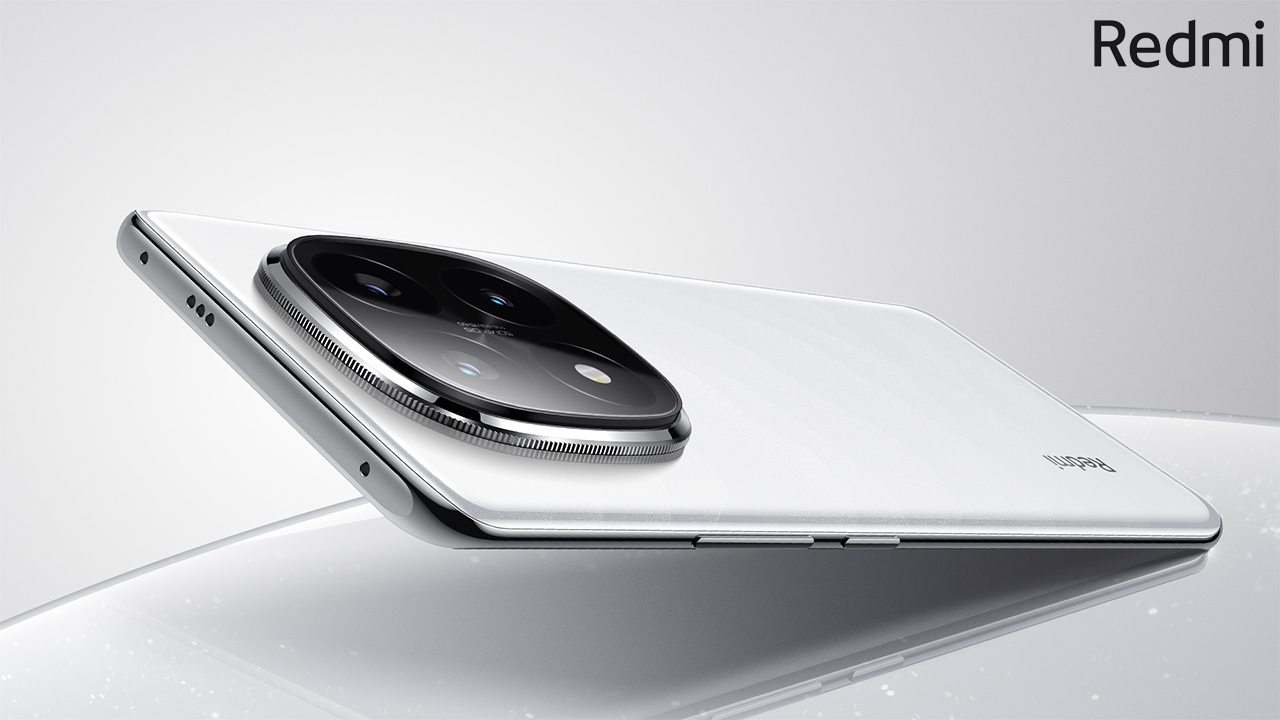
If you’re the kind of user who only sends messages, checks WhatsApp, and opens YouTube, both phones will keep up just fine. The Redmi Note 14 runs on the MediaTek Dimensity 7025 Ultra, and for everyday tasks, it’s smooth and efficient. You won’t be pulling your hair out waiting for apps to open.
But let’s say you play games, use photo-editing apps, or multitask like crazy. That’s when the difference becomes noticeable. The Note 14 Pro uses the Dimensity 7300, and that slight bump in power goes a long way. Games load faster, animations feel tighter, and switching between apps is just more fluid.
We noticed this especially with multitasking and gaming. On the Pro, frame rates stayed higher in graphics-heavy games, and even under pressure, it didn’t heat up as quickly. It’s not a beast, but it doesn’t get winded either.
Just don’t expect flagship-tier performance from either of these. If that’s what you’re after, you’ll need to jump to the Pro Plus or look outside the Note lineup entirely.
Battery and charging: the rare perfect tie
This part’s almost boring because there’s just nothing to complain about. Both phones pack batteries just over 5,000 mAh, and in practical use, they last all day. You can stream music, use GPS, watch videos, scroll endlessly—and still end the day without hitting 0%.
Even more refreshing? Both models include a 45 W charger in the box. That’s becoming rarer, and it means you can go from empty to around 50% in just half an hour. We tested both under similar usage patterns and got very comparable battery results. So if you’re worried about endurance, don’t be.
The Note 14 and Note 14 Pro charge at the same speed and last about the same amount of time. That’s a win for both sides.
Conclusion: where the Pro earns its name
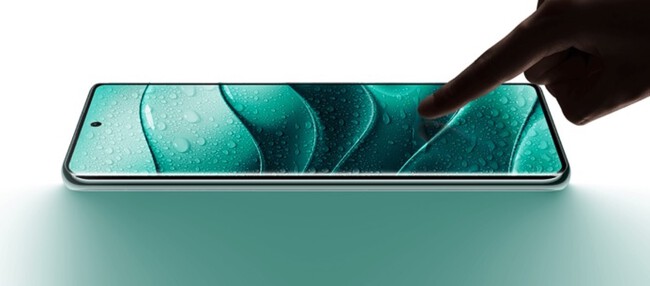
Okay, cards on the table—the Redmi Note 14 Pro pulls ahead in the areas that actually affect your experience. And not in gimmicky ways. The camera is meaningfully better. The display is richer. The haptics are leagues above. And the performance, while not mind-blowing, is smoother under stress.
We didn’t go into this comparison looking to declare a winner—we’ve seen too many “Pro” versions that barely justify the label. But this time? The jump to the Note 14 Pro feels justified, especially if you care about photography or even just how your phone feels in daily use.
That said, we get the appeal of the regular Note 14 too. It’s comfortable, it does the basics well, and it’s a phone you can just use without thinking too hard. But for anyone wondering whether the Pro version is just marketing fluff—nah, it actually earns its price bump.
Now, is it essential? No. But is it tempting? Absolutely. And maybe that’s the whole point.