


There’s a moment—right after lacing up your running shoes or packing for a mountain trek—when you look at your wrist and expect answers. Not just data. You want precision, speed, and that feeling of control. That’s when choosing between the Suunto Race, Suunto 9 Peak Pro, and Suunto Vertical becomes a real dilemma. And wow, we’ve been there. You read spec sheets, check reviews, compare dimensions until your eyes blur… and still feel like you’re choosing blindfolded.
We’ve worn them, tested them, and lived with them, and let’s just say: one of them surprised us. The Suunto Race, the new kid on the block, brings in features we didn’t expect to care about—and then suddenly couldn’t live without. But it’s not the only one with strengths. The Suunto Vertical plays a whole different game, one that favors endurance and extreme conditions, while the 9 Peak Pro keeps things light and minimal, but perhaps a bit too quiet in today’s noisy tech world.
So let’s go all in. Let’s compare screen to screen, crown to crown, heart rate to heart rate—and see which one of these Suunto heavyweights truly deserves a place on your wrist.
Design-wise they’re siblings, but the screen doesn’t lie
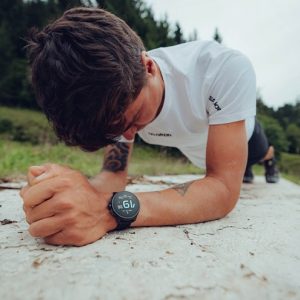
It’s like looking at a well-dressed family in matching outfits. All three watches come with a sleek, durable design featuring stainless steel bezels and a rugged finish, which we love. They’re clearly cut from the same cloth. Same minimalist attitude, same 22 mm strap size compatibility. But spend a few minutes with each, and things begin to shift.
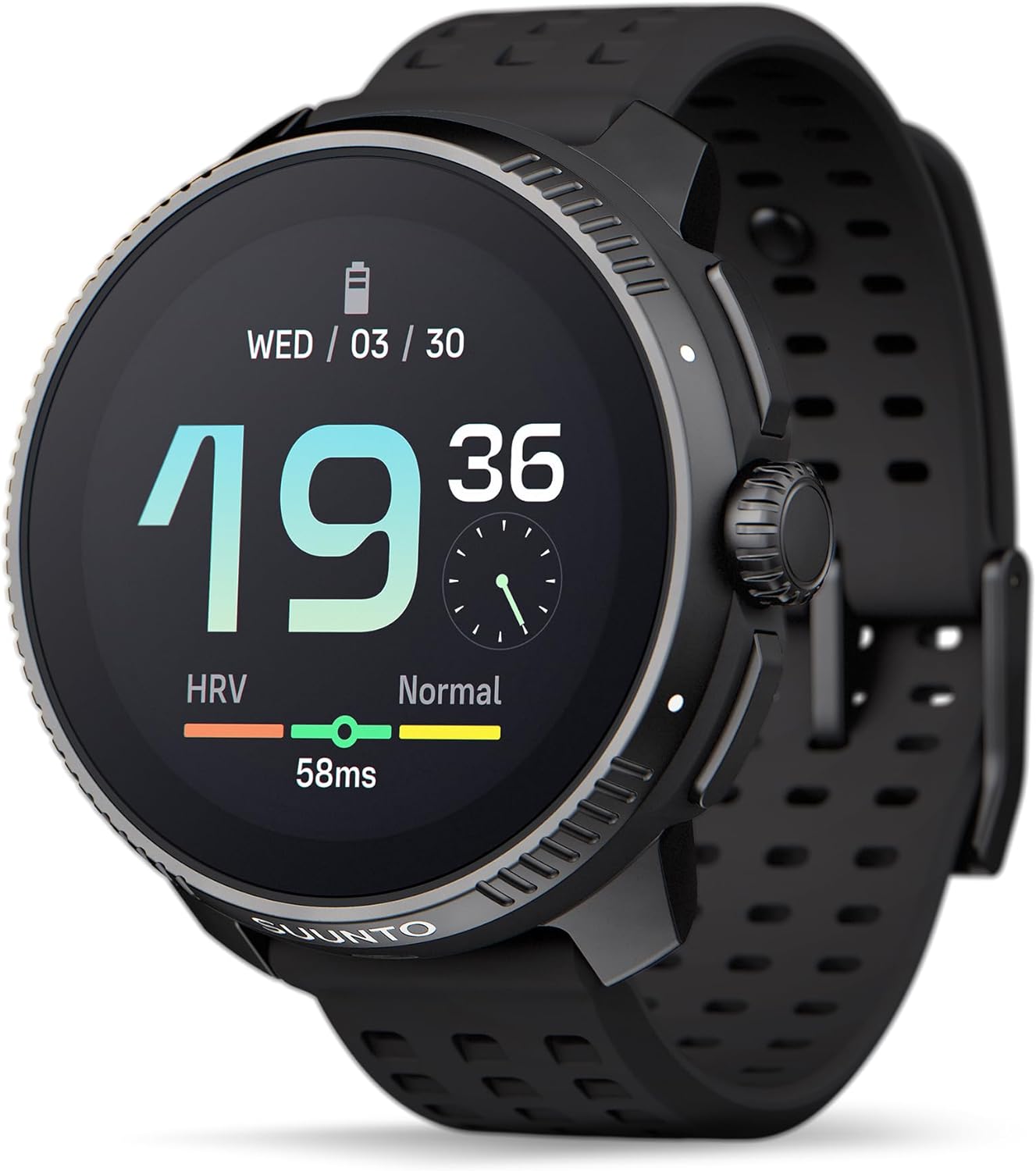
Only the Suunto Race comes with an AMOLED display—and it shows. Colors pop. Blacks are deep. And brightness? It laughs in the face of direct sunlight. There’s no contest here. Its 1.43-inch screen feels like unlocking a new level of clarity, especially when swiping through maps or reading split times mid-run.
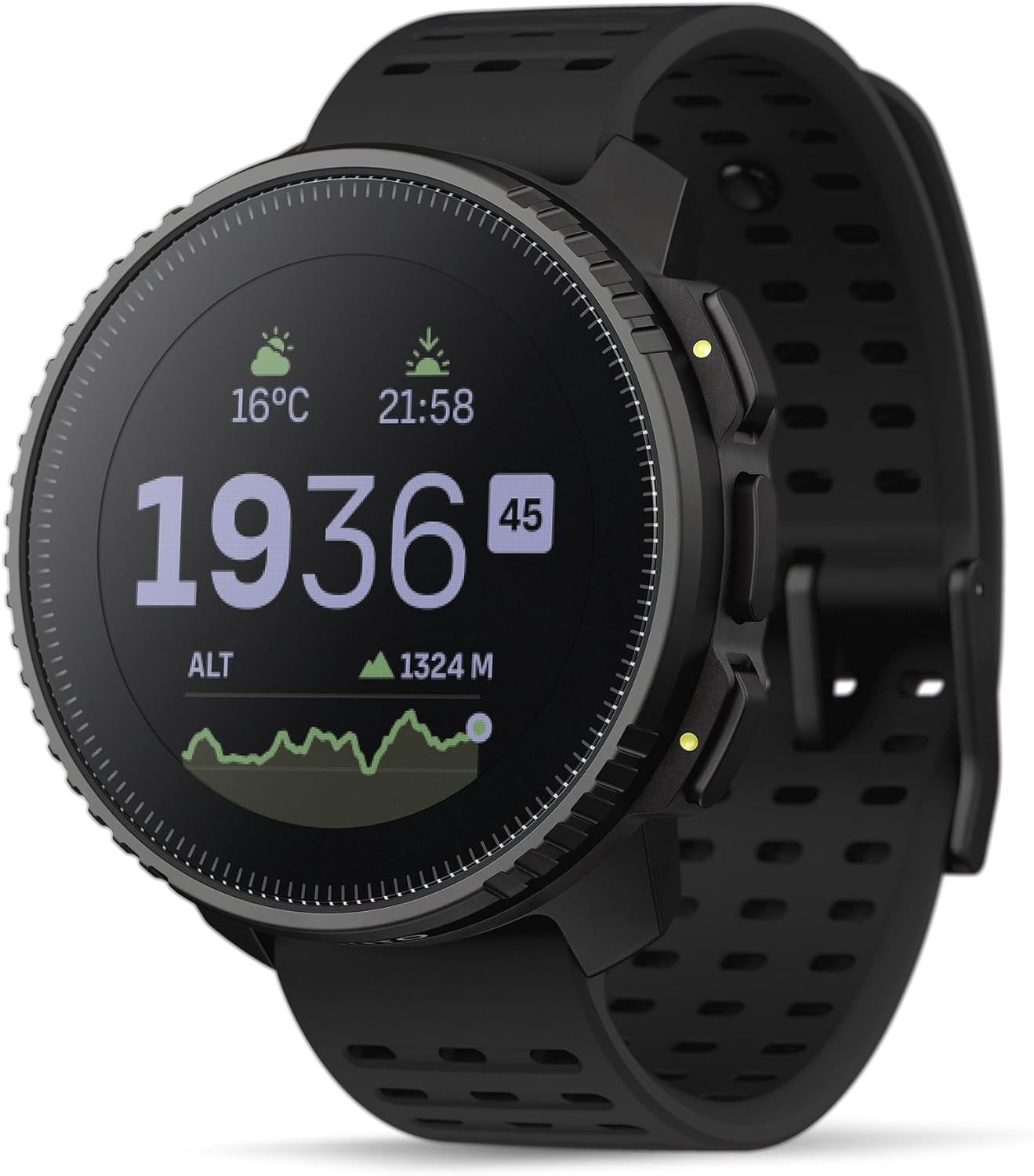
Now, both the Vertical and the 9 Peak Pro stick to traditional LED displays. Functional? Sure. But when you’re outside on a sunny day or flipping quickly between widgets, you’ll instantly notice how much less punchy and vivid they look. The 9 Peak Pro is even smaller at 1.2 inches, which can feel a bit cramped.
There’s also a weight shift. The 9 Peak Pro is the lightest of the three, which you might appreciate if you hate feeling anything on your wrist. That comes at a cost, though. It lacks the rotating crown found on the Race and Vertical, and that little detail makes a surprising difference in usability. Spinning through menus with the crown? Addictive. Swiping with fingers alone? Meh.
They all sweat, but two of them coach
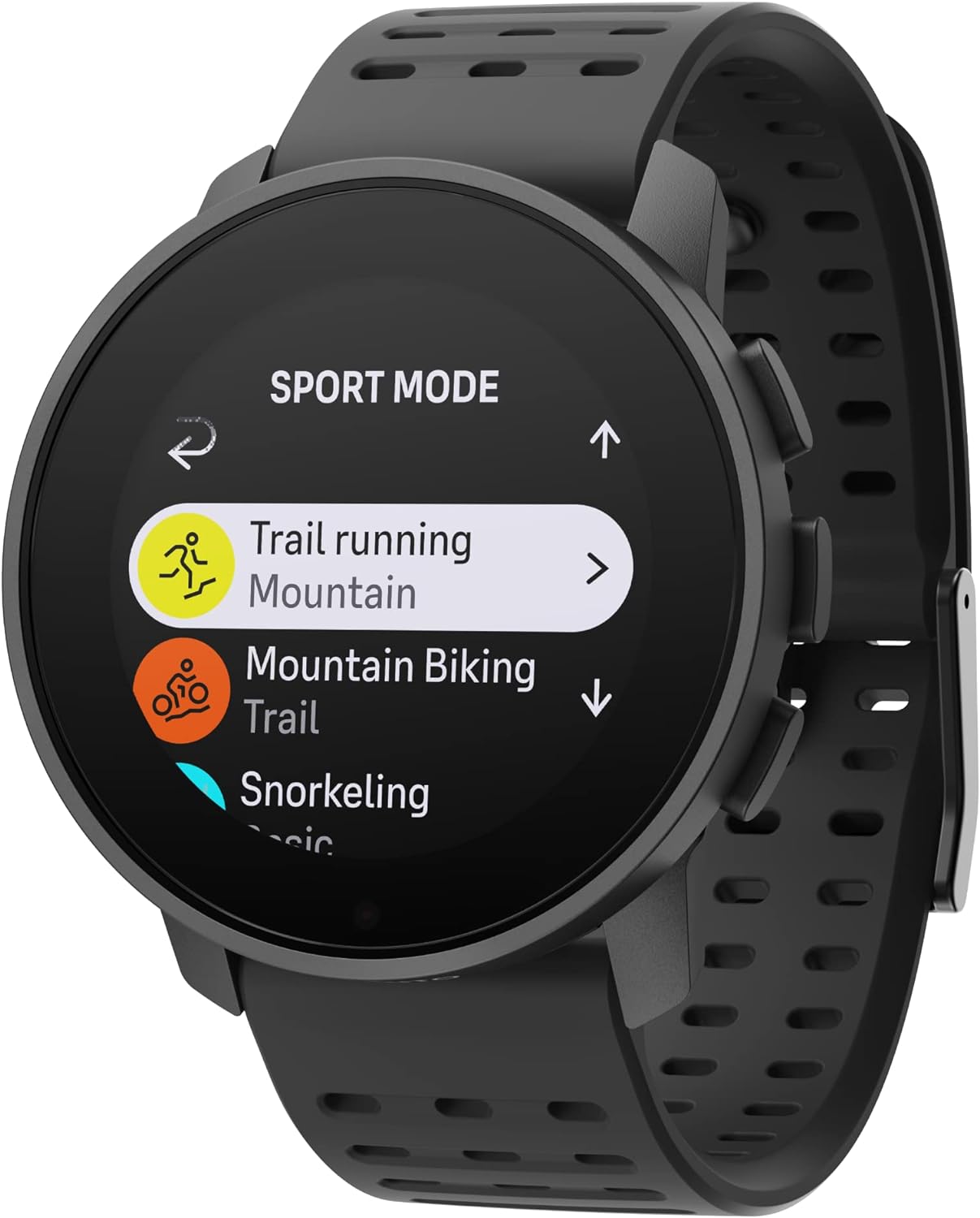
Suunto’s not messing around when it comes to sport tracking. All three models come with over 95 sport modes, water resistance up to 100 meters, and multi-system GPS for precise route tracking. Whether you’re a casual hiker or an ultramarathon junkie, you’ll find what you need.
But there’s nuance.
The Race and the Vertical bring intelligent coaching features into the picture. Not just tracking what you’re doing, but suggesting how you could do it better. The Race, for instance, uses AI-driven analysis of your running performance. It processes your pace, effort, and historical data to give feedback in real time. It’s like having a coach who actually knows your past five workouts.
The Vertical takes a slightly different angle. It gives you live feedback on training intensity and time, which feels more tactical. It’s not just logging distance—it’s nudging you with useful cues during your sessions.
Now, the 9 Peak Pro? It tracks your effort and stores your stats. But that’s it. No smart coaching, no adaptive suggestions. It’s competent, but it doesn’t talk back. If you just want a simple, accurate sport watch, that’s fine. But if you like interaction, you’ll feel the silence.
Health features: same basics, deeper layers for two
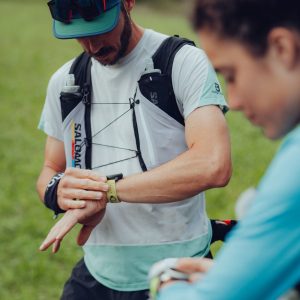
Let’s get the easy part out of the way: all three watches monitor heart rate, track your sleep, analyze oxygen saturation, and even check your stress levels. None of them are replacements for a clinic, but they keep tabs on your wellness day and night.
Where it gets interesting is what happens while you sleep.
The Race and the Vertical offer heart rate variability (HRV) tracking during sleep, a huge bonus if you’re someone who trains often or watches recovery closely. HRV gives you insights into how your nervous system is handling strain. The Race goes even deeper, breaking your sleep into light, deep, and REM stages, which adds another dimension to your rest analysis.
The 9 Peak Pro doesn’t go there. It logs your sleep and tells you how many hours you got, sure. But no HRV, no breakdown of sleep stages. For people who take recovery seriously, that’s a letdown.
Battery life: the Vertical is a freak of nature
We didn’t expect to be shocked by battery specs. But here we are.
The Suunto Vertical crushes the competition with up to 60 days of battery in watch mode and 30 days with full smart features active. That’s not just good—it’s borderline outrageous. And yes, there’s a solar version that charges via sunlight, which just feels unfair to the others.
The Race tries its best. It reaches 26 days in standard mode and around 12 under heavier usage, which isn’t bad, but feels a bit short next to the Vertical’s insane stamina.
Surprisingly, the 9 Peak Pro sits somewhere in the middle. It offers up to 30 days in normal mode and around 21 days in heavy use, which is respectable. But again, once you’ve lived with the Vertical, those numbers suddenly feel average.
If you’re heading off-grid or just hate charging things, the Vertical is clearly in another league.
Music control: a tiny feature that suddenly feels essential
At first, we didn’t think this mattered. But try pausing a song mid-run without touching your phone, and you’ll get it.
Only the Suunto Race lets you control music from the watch itself. Play, pause, skip—it’s all right there on your wrist. It’s not Spotify streaming or anything fancy, just control over what’s already playing on your phone. But once you’ve used it, it’s hard to go back.
Neither the Vertical nor the 9 Peak Pro includes this. Which means, yep, you’re fishing your phone out of your pocket or hydration vest every time you want to skip a track.
Is it a deal-breaker? Maybe not. But it’s one of those little things that quietly makes a difference.
Connectivity and compatibility: no drama, no surprises

In terms of basic connectivity, they all play nice. Bluetooth, smartphone notifications, built-in GPS navigation—check, check, and check. Whether you’re Android or iOS, you’re good.
But there are quirks. None of them currently support contactless payments, which might be a letdown if you’re used to tapping your wrist at checkout. And while the Race does include an NFC chip, it’s inactive right now, like a promise not yet fulfilled.
Messaging is another thing to watch. Only Android users get the option of sending quick replies from the watch. iPhone users can read notifications, but can’t respond. It’s not Suunto’s fault—it’s an Apple limitation—but worth knowing.
The bottom line: the Race runs circles around the rest
We didn’t expect it. Honestly, we thought the Vertical might win by sheer battery muscle. But the more we used them, the more obvious it became: the Suunto Race feels like the future of this lineup.
That AMOLED screen? Total game-changer. The coaching feedback? Shockingly helpful. And little extras like music control and deeper sleep insights? Once you have them, there’s no going back. It just feels smarter, sharper, more alive.
That said, the Suunto Vertical is still a beast. If you’re trekking through the Andes or just want the longest battery life on the planet, it makes sense. But you’ll miss the fluidity of AMOLED and the ease of the crown. It’s less fun, more functional.
And the 9 Peak Pro? It’s the simplest, cleanest, most stripped-down of the trio. Lightweight, compact, accurate—but limited. There’s nothing wrong with it… unless you’ve seen what the other two can do.
So yeah, if you’ve been debating which one to go for, we get it. But if it were our wrist? No hesitation. The Suunto Race doesn’t just feel newer—it feels smarter, and that changes everything.